
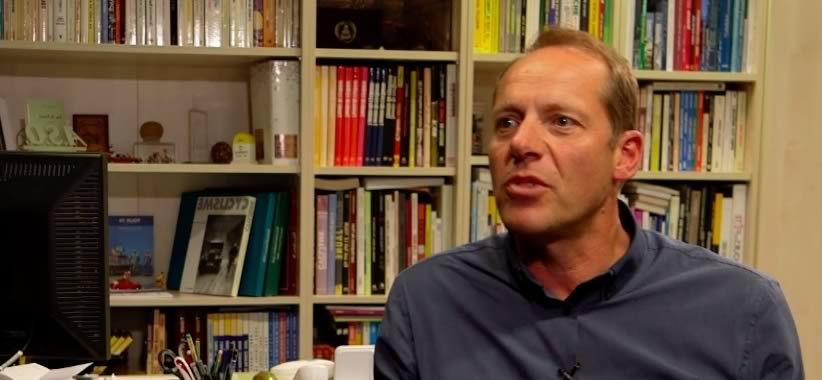
Interview with Christian Prudhomme, director of the Tour de France
The Tour de France stands out as a supporter of the work of the MPCC. Its Director Christian Prudhomme has defended the philosophy of the movement several times. While ASO's race Paris-Nice is starting, he answers our questions.
« I wanted to say it again here: the MPCC's raison d'être still remains. Self-imposed regulations, stricter than international ones, can avoid many concerns, debates or controversial issues. I like the watchword of the MPCC: to leave the light on. This is the key to our future. »
With these words spoken on last 18 October, Christian Prudhomme wanted to reaffirm the support of the Tour de France and ASO to the MPCC. Answering our questions, he stays faithful to its speech about the movement's philosophy. And deeds follow words: once again this year, ASO granted all its wild cards to MPCC teams!

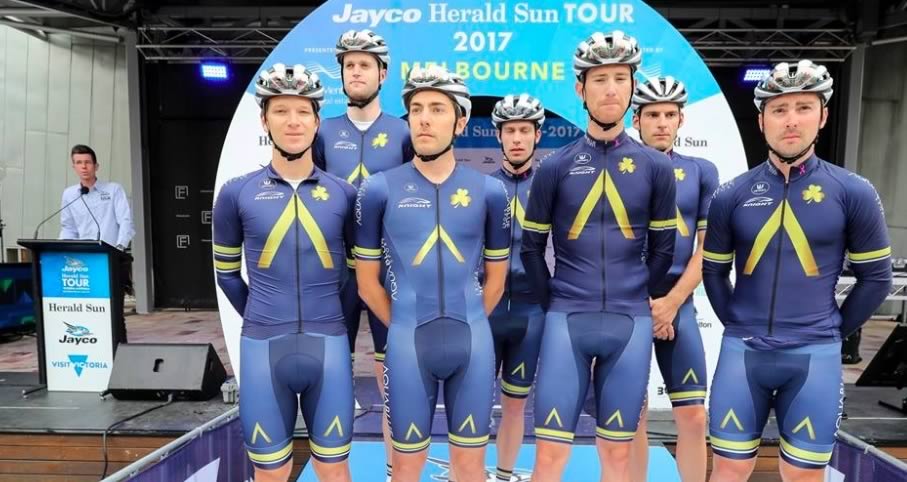
Aqua Blue Sport joins MPCC as its manager urges cycling to follow stricter rules
The MPCC now includes 19 Pro Continental teams out of a total of 22: the Irish team Aqua Blue Sport, created this year, has sent a formal membership request to the movement.
Only a few weeks after its very first race on the Herald Sun Tour and four days before its debuts on the European soil on the Classic de l'Ardèche and the Omloop Het Nieuwsblad, Aqua Blue Sport asks to join the MPCC. The motivations of the team manager Stephen Moore completely fit with our philosophy. The movement welcomes this membership request which have been provisionally accepted by the Board.
"Team Aqua Blue is committed to the continued development of clean and credible cycling, he explains. While we recognise the excellent work (and rules) done by WADA and the other various anti-doping organisations we also recognise that there are some deficiencies in the rules that are open to misinterpretation and abuse. In order to be governed by a stricter code and ensure our athletes are competing in the fairest possible environment we believe that all Teams should subscribe to an even stricter rule policy. We have carefully studied the internal rules of the MPCC and by joining the MPCC commit to the full implementation of these rules. We look forward working with the MPCC and its members"
The responsible physician for Aqua Blue Sport is Dr Alan Farrell. The team contains Lars Petter Nordhaug (GP de Montréal winner in 2012), Lasse Norman Hansen (2012 London Omnium olympic champion) and Stefan Denil (2014 Paris-Nice top-10 finisher). Several other riders of the roster have been part of World Tour teams in the past: 2016 British champion Adam Blythe, Matthew Brammeier, Andrew Fenn, Leigh Howard, Michel Kreder, Lawrence Warbasse and Calvin Watson.
The tramadol debate
The MPCC has been militating for tramadol in-competition ban over several years. Let's shed light on the problems raised by this medication.
Tramadol is a strong painkiller causing a lot of undeniable side-effects such as dizziness wich affects the security of the rider who have received the treatment but also of his opponents around him in a peloton. This potent drug is not to be regarded as able to enhance the performance, but without a doubt it induces a misperception of the pain that will eventually impact the athlete's health.
MPCC-teams' physicians have committed not to prescribe tramadol to their riders. Androni Giocattoli's Dr Maurizio Vicini goes deeper: "I never use tramadol, even for classic medicine, because of the bad side-effects it creates!" The movement, like the UCI, has repeatedly called on WADA to add tramadol on the list of prohibited substances. The agency agreed to include tramadol in its monitoring program but still refuses to go for it by banning this medicine.
As Cofidis' Dr Arthur Molique explains, the recovery of the athlete is a stake as the tramadol issue may not be confined to the ban debate. "With the augmentation of the race constraints - races that finish late, long transfers -, massages and dinner times have to be delayed", he says. The use of sleep medicines raises a problem with the rider's sleep, a key element in the recovery process on a stage race.
During the meeting held on 17 October 2016, the MPCC-team physicians expressed a concern about organization's workmates which are often keen to use tramadol to treat a rider requesting the race medical assistance. That's why the MPCC calls on the AIOCC to ensure its race physicians will stop prescribing tramadol to the riders.
While expecting a favourable response (i.e. to obtain from the WADA the ban of tramadol in competition), MPCC physicians maintain their commitment not to prescribe this medication to their riders.
Should corticoids use be forbidden?
The corticoids' subject has always been key to the MPCC. 10 years after its inception, the movement continues to fight for changing perceptions on that topic.
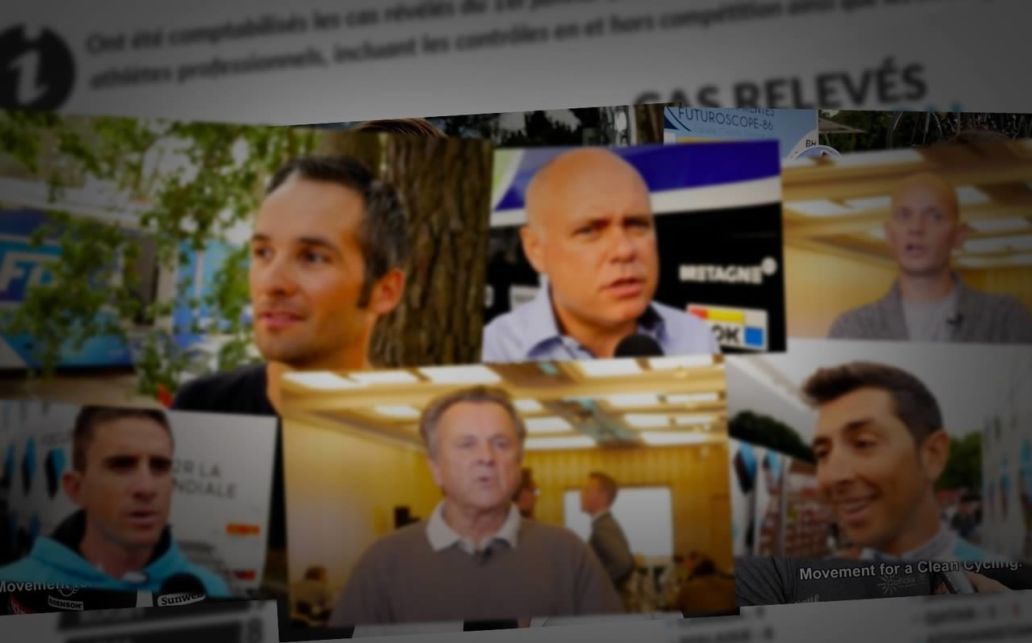
Benoit Vaugrenard's words are powerful as his speech summarizes the general feeling of the riders about corticoids. "Let's ban it! Period. This sport still doesn't know how to deal with this problem. I'm sure some riders keep playing an ambiguity game. We should have banned it a long time ago!" They all are aware of something, as Samuel Dumoulin puts it: "This is a major debate". On many medical issues, opinions differ for cultural reasons. These divergences prevent our sport from reaching a consensus on this type of question that need to be clarified.
Within the MPCC, a team member commit to put to rest a rider if his cortisol level is under the standard limit. Consultant physician of the MPCC, Dr. Armand Mégret keeps saying that "there is a major sanitary decompensation risk, a mortal risk." Dr Arthur Molique, team Cofidis physician, supports that riders have realized "our rules are implemented firstly in order to preserve their health." Their comments are based on surveys of endocrinologist experts, as the MPCC always has.
In the event of a low cortisol level, the MPCC-team doesn't put the question of knowing if the cortisone use was licit or illicit: the rider doesn't take part in the competition anyway. In some of these cases in the past, a few teams turned their back on the commitment they made by leaving the movement instead of apply its rules.
However, Dr Arthur Molique is categoric about both the dangers that arise when a rider practices his sport with a low cortisol level and the impact of this medication on performance: "We know that corticoids have exhilarating effects, they are strong anti-inflammatory drugs, they create stimulating and psycho-stimulating effects. Then there is no need to prove that they can be performance enhancing molecules anymore. At least considering all of the uses that don't fit to right medical practices."
For all those reasons, the MPCC keeps asking the UCI and WADA a common cortisone regulation for the 11th year of its existence. In September 2013, this was one of the points the movement warned the candidates for the President of the UCI about. Some of the recommandations have since been implemanted: the principle of team suspension in case of several positive doping tests and the increasement of the duration of penalties for doping.
« We tend to professionalize women cycling »
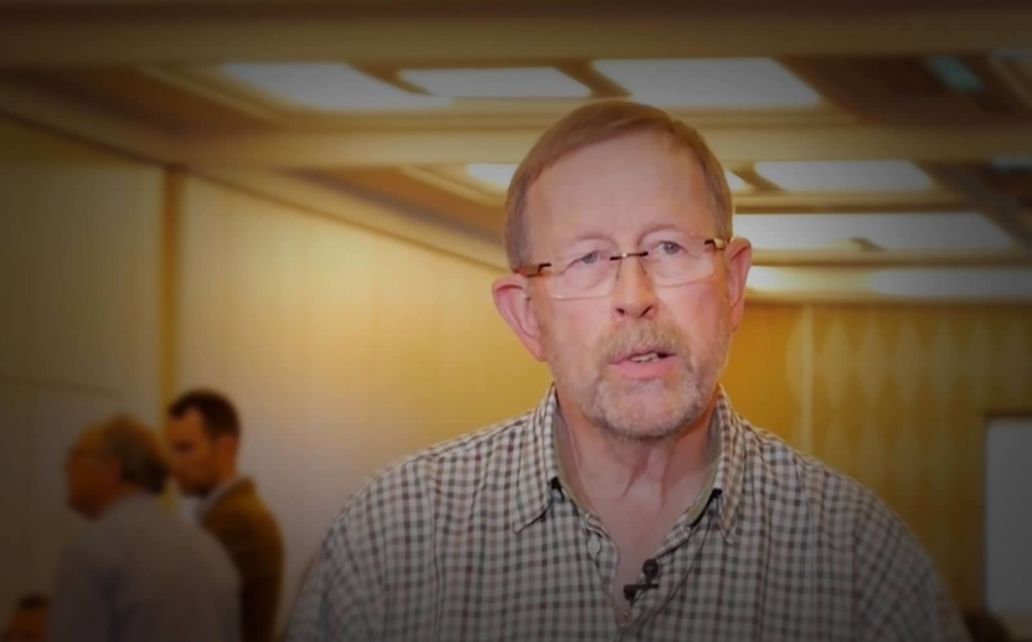
Doctor Philippe Rolland, physician of the FDJ-Nouvelle Aquitaine-Futuroscope team, explains to the MPCC why women's team can't follow the exact same rules than men's teams.
Several women's teams are part of the members of the MPCC : UnitedHealthcare, Tibco, Sunweb, Rally, Lotto-Soudal and FDJ-Nouvelle Aquitaine-Futuroscope.
FDJ Nouvelle-Aquitaine Futuroscope
Membership :
04/02/2014
Representative :
Nicolas Marche
Doctor :
Philippe Rolland
website

Lotto-Soudal Ladies
Membership :
13/11/2013
Representative :
Dany Schoonbaert
Doctor :
Servaas Bingé
website

Rally Cycling Women
Membership :
07/02/2013
Representative :
Jonathan Patrick McCarty
Doctor :
Kelby Bethards
website

Team Sunweb Women
Membership :
04/02/2014
Representative :
Iwan Spekenbrink
Doctor :
Anko Boelens
website

Tibco - Silicon Valley Bank
Membership :
25/04/2014
Representative :
Linda Jackson
Doctor :
-
website

United HealthCare Women Team
Membership :
04/02/2014
Representative :
Mike Tamayo
Doctor :
Michael Roshon
website
Those teams are important actors of the recent evolution of women's cycling, with the beginning of the women's World Tour in 2016 and the increase of the number of women's races corresponding to the men's biggest events.
However, the enforcement of the MPCC rules by women needs gender adjustements, particularly on cortisol rates. Doctor Philippe Rolland, chief doctor of the FDJ-Nouvelle Aquitine-Futuroscope team, explains the problems he has to face in a video interview, for instance when he has to collect physiological data for his riders.
He insists on the problem of riders that take the pills, this has an important effect on their cortisol levels. Since women's teams started joining the MPCC, they have always campaigned for the realisation of samples testing on their riders, but this only is possible if the norms are adapted.
In 2017, the MPCC wishes to make the most of advices by consulted experts in order to make a steap forward regarding the cortisol levels controls. The Movement also encourages all the women's teams, World Tour teams or not, to join the current 6 members in order to make it possible to think together about a way to to improve the credibility of today's cycling, which exposure seems to be more and more focusing on major mixt events.
Cycling Academy Team, MPCC's 18th Pro Continental team
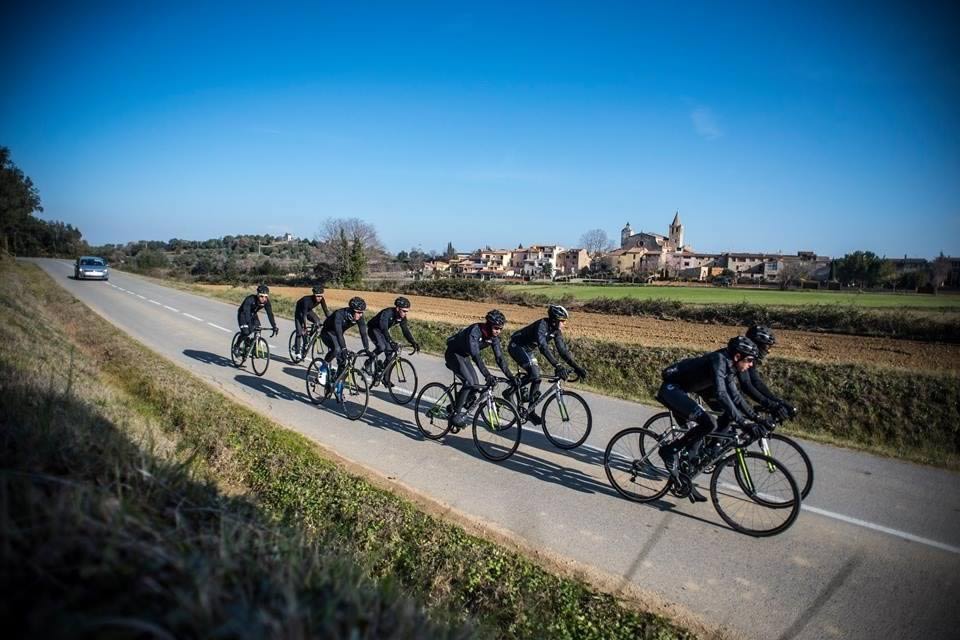
The first ever professional Israeli cycling team, Cycling Academy Team, has requested its MPCC membership. The adhesion will be submitted to the Board by the end of the month.
Now there are 18 Pro Continental teams volontarily committed to the MPCC out of a total of 22! The Israeli structure Cycling Academy Team - part of the 2nd division since that year - has formally applied for membership through its manager Ran Margaliot, former professional rider.
"As a young and upcoming start-up team, representing the new generation of cycling, we believe movements such as MPCC are the correct way to help us progress with the cycling towards a new reality of clean and reliable sport", he explains.
Cycling Academy Team's sporting director are Kjell Carlstrom and Oscar Guerrero. The responsible physican is Dr. Idit Shub. Several top-level experienced riders are part of the roster, such as former U23 World Championships medallist Guillaume Boivin, Dennis Van Winden or Zakkari Dempster. The team also includes 4 national road race champions: Mexico's Luis Lemus, Israel's Guy Sagiv, Namibia's Dan Craven and Estonia's Mihkel Raim.
Since its inception in 2015, this team has been supported by the double world champion Peter Sagan, who now wears the colors of a team which is also part of the MPCC: Bora-Hansgrohe.
Soul Brasil joins the MPCC to "fight together against doping"
Suspended by the UCI until February 12, the Pro Continental team Soul Brasil has applied for MPCC membership. The request has been accepted on probation. The movement welcomes the team manager Benedito Tadeu's intention to comply with stricter rules. The final membership is to be voted during the next General Assemby meeting on October.
Back in november of last year, Kleber Ramos, João Gaspar and Ramiro Rincon - both team Funvic's riders - were tested positive for doping. The team, now called Soul Brasil, is suspended by the UCI until February 12 as a result of these infractions, which led Aigle to apply this rule inspired by the MPCC.
The South-American team decided not to give up by maintaining its desire to be part of the Pro Continental division. In early January, the team manager Benedito Tadeu made a formal application to the MPCC. He stated: "Immediately the three riders had their contracts broken and they were totally disconnected from the team. We are applying to join the MPCC and we fully accept the regulation. We went through a difficult time in 2016 with these three cases. We would like to fight together with the MPCC against doping."
The movement's philosophy has always been and remains the same: to extend its hand to each and every team and to welcome any candidate's commitment to respect a stricter regulation.
Cycling: significant decline in the number of doping cases
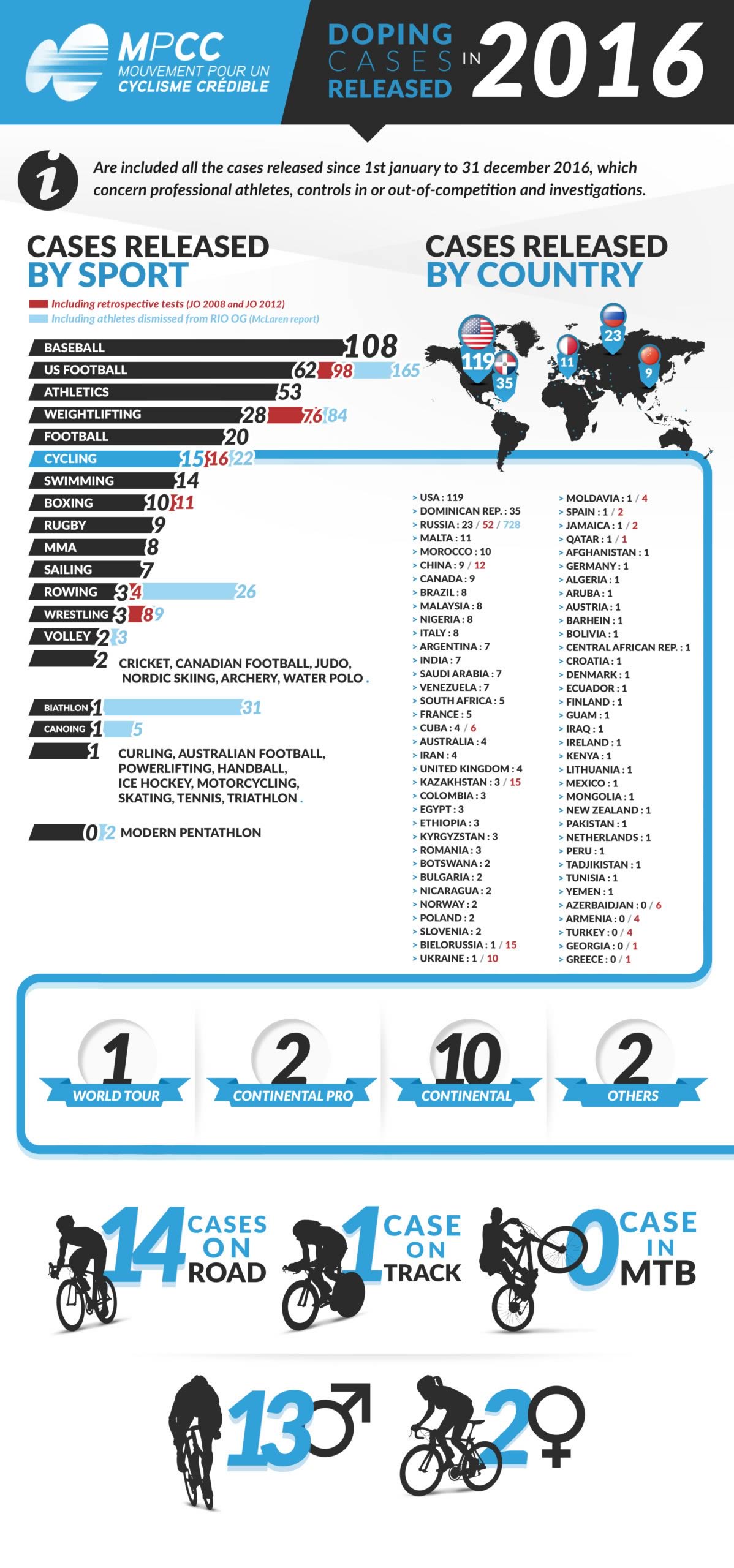
15 high profile athletes have been suspended for doping by the cycling authorities in the past year. Five sports faced a larger number of positive tests.
Compared to the numbers of 2015, the most noteworthy evolution is the decreasing number of cases involving the 1st and 2nd divisions' teams: only 3 in 2016 against 8 in 2015 and 5 in 2014.
The balance could have appeared even more flattering if cycling did not have to deal with the doubling of its figures during the last quarter of the year. The most recent cases came almost exclusively from Continental teams. Attention must be given to the reasons of this upsurge regarding a wide bunch of mainly amateur teams which are not required to participate in the athlete's passport program, unlike World Tour or Pro Continental teams.
An other fact highlighted by these results: in the vast majority of cases (12 out of 15), the detected substances are EPO, CERA or anabolic steroids. It prompts us to remain vigilant. A good point is the reduction in the number of doping cases related to World Tour (4 times less) and Pro Continental teams (twice less) in comparison with 2015 but also 2014.
That does not mean doping has become an ordinary subject into cycling. This also applies to sports such as athletics or weightlifting. Even if the number of cases is lower than the year before, those two sports are on the front line regarding the retests of 2008 and 2012 Olympic Games samples. But also regarding the McLaren report, involving 728 (!) Russian athletes according to the publication of the second section of the report, last December.
Finally, it should be noted that for the very first time, Athletics is not the sport leading our unenviable ranking, which is now Baseball.
TAKE A LOOK AT OUR DOPING CASES INFOGRAPHY
TAKE A LOOK AT THE INFOGRAPHIES AS OF 31 SEPTEMBER, 31 MARCH AND 31 MAY
What measures MPCC members abide by?
On a voluntary basis, a MPCC team commit to respect several rules, stricter than those implemented by the international bodies. Do you know all of them?
Every member team of the Movement for a Credible Cycling perfectly knows the internal regulations of the Movement, that she commits to respect during the whole time of its membership. As the MPCC president, Roger Legeay insists on an essential point: “We are not talking about sanctions. This is a volunteer approach”.
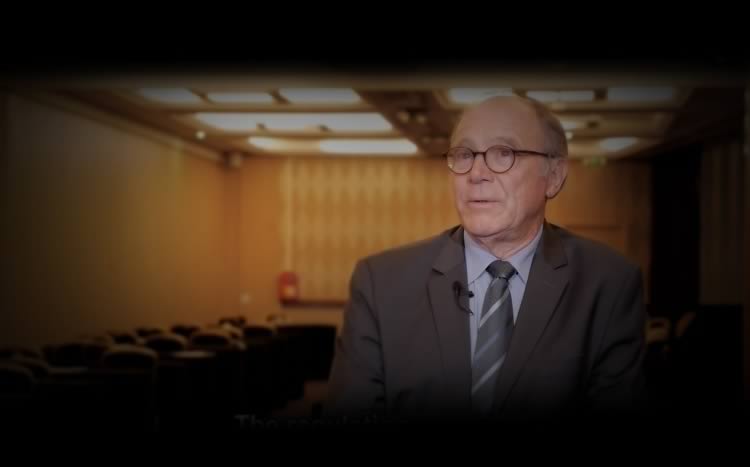
In our video, he explains what are the principle measures and raises a very MPCC specific point: team introspection. When a team faces 2 positive controls in less than 12 months, it has to stop racing for a week (3 weeks if there are 3 positive controls in less than 2 years).
Obviously, such a situation isn’t desirable. However, when it happens, being a faithful to his commitments MPCC member perfectly makes sense. Indeed, this introspection time makes it possible to take time to find solutions. Part of the MPCC rules since the creation of the Movement, this principal has recently been taken up by the UCI. However, the instance can’t make it systematic because the UCI acts with sanctions and not on a voluntary basis, at the opposite of the MPCC.
Here are the rules that the MPCC members commit to respect:
You will find the whole MPCC internal regulations here.
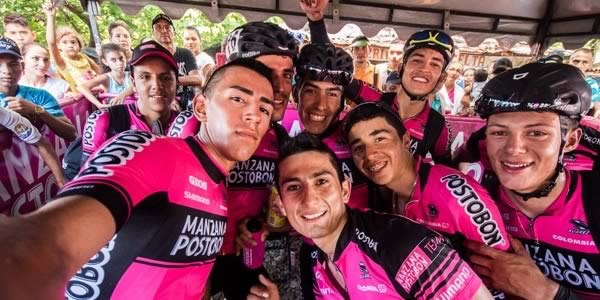
The only Latin American professional team joins MPCC!
Represented by its manager Luisa Fernanda Rios, the Colombian team Manzana-Postobon has applied for MPCC membership.
The final step towards full membership will be the vote of the Board on its next meeting in February 2017. The team, promoted to the Pro Continental ranks, will be the only Latin American professional structure of the peloton. Its main leaders are the Vuelta a Espana stage winner Antonio Piedra, the former Giro della Valle d'Aosta winner Bernardo Suaza and the Dutchman Jetse Bol.