
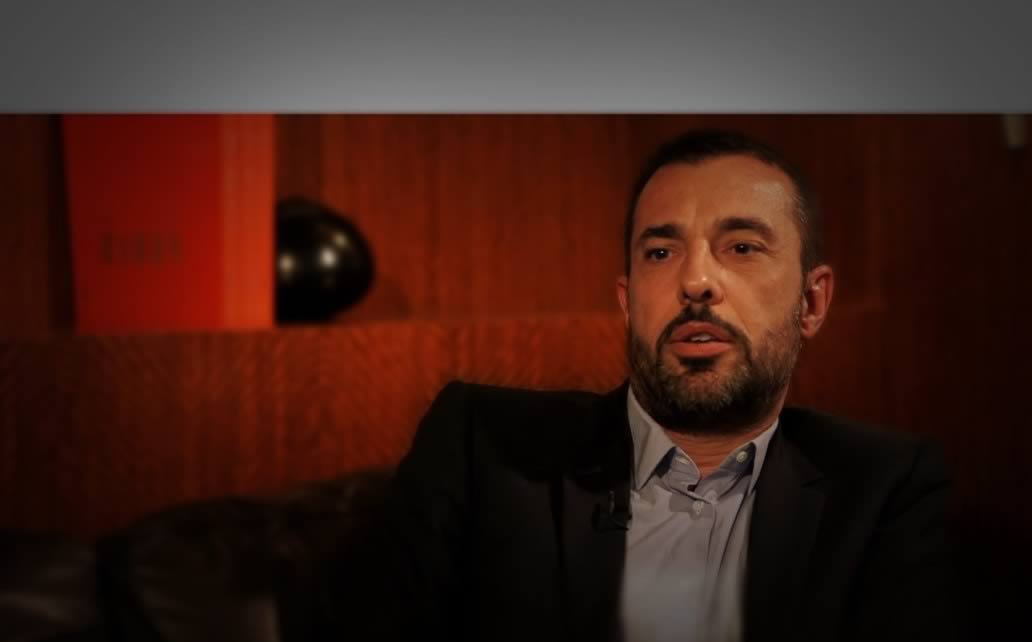
Interview with Emmanuel Chazalet, AG2R La Mondiale
The shared journey between the MPCC and the company AG2R La Mondiale reached a turning point in March 2015. While the rider Lloyd Mondory had been tested positive, Vincent Lavenu’s team had to suspend itself - under the MPCC regulation - for the Critérium du Dauphiné. Thanks to this strict compliance with the rules the team committed to, the french structure reaffirmed its strong opposition to all forms of cheating.
Still, AG2R La Mondiale’s MPCC membership should not only be seen as a commitment against doping.
Head of Communication, Branding & Digital Emmanuel Chazalet explains:
« The first thing we think about is doping and its links with health. But this isn't enough, with the development of new technologies for instance, technological fraud has appeared. Other problems such as betting fraud can have important consequences on performance and on the values of cycling. We now know that cycling's ethical value goes beyond the problem of doping and it embraces lots of different themes that are important for the sponsors, for the partners, and for all the MPCC members. »
The company AG2R La Mondiale immediately expressed its support and confidence to the team manager Vincent Lavenu.
AG2R La Mondiale’s CEO André Renaudin stated:
« From the bottom of our hearts, we share the emotion of Vincent Lavenu and all of his team. The error of one individual should not cause the rest of the team to feel guilty or weaken, nor should it cast doubt upon the historic ties that unite us. We are confident that the team will bring us great moments of happiness in 2015. »
One year later, in the middle of the 2016 Tour de France, the company announced its decision to award this ethical sense by extending the partnership with the team until 2020.
INTERVIEW :

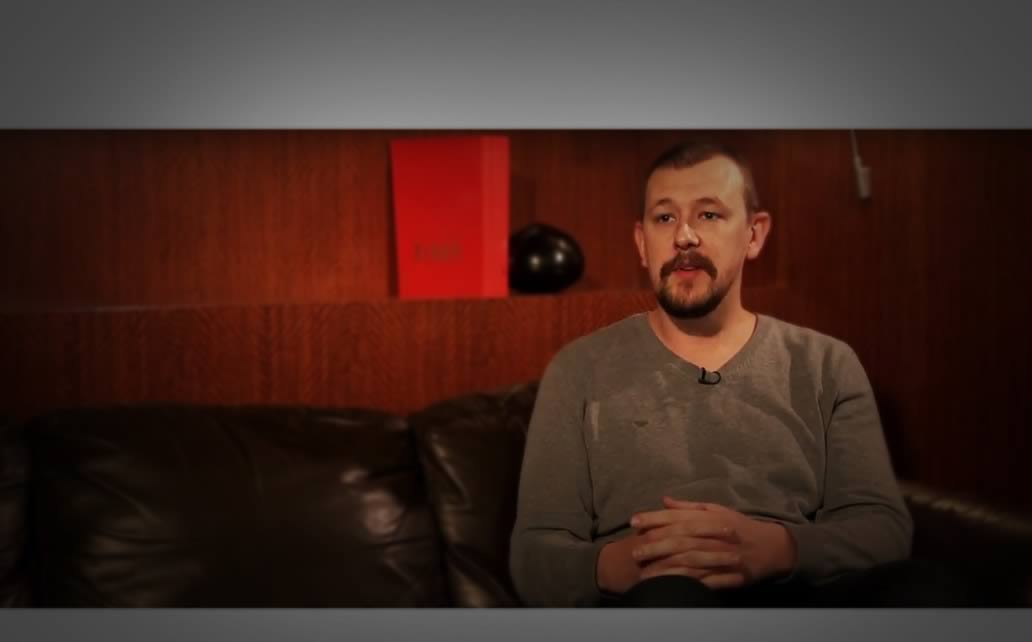
Interview with Rodolphe Boulinguez, FDJ Sponsoring
Recognised as a major actor in the cycling sponsoring since 1997, the company FDJ immediately decided to provide support for the MPCC at the inception of the movement in 2007. With Marc Madiot’s cycling team joining the movement, the French lottery considered its adhesion as something natural too.
At the sponsors meeting on 22 October 2013, the then FDJ’s responsible for sponsoring Thierry Huguenin declared: « We invest into cycling because we believe in its values as we cannot accept cheating regarding our lottery activities. Back in 1998, some sponsors united with FDJ to draft a charter. We expect the MPCC to give cycling its credibility back - an ambitious but necessary task. »
He also pointed out: « Some companies invest into cycling for 15, 20 or 30 years. This is no coincidence if they have decided to commit to the MPCC. »
Today, FDJ’s effort-and-patience strategy becomes successful as shown by 2014 Tour de France Pinot’s finish podium but also 2016 Milan-Sanremo Démare’s victory. Still, this sponsor maintains a high level of vigilance as it continues to be involved in the MPCC. Huguenin’s successor Rodolphe Boulinguez renews FDJ’s call to the other companies investing into cycling to join the movement.
He states : « We are not part of the MPCC in order to collect years of membership. We believe in the purpose and we are right because if the MPCC continues to exist, that is because it is needed. But all of this is going in the right direction: some of the MPCC rules have been implemented in the UCI regulation. »
INTERVIEW :
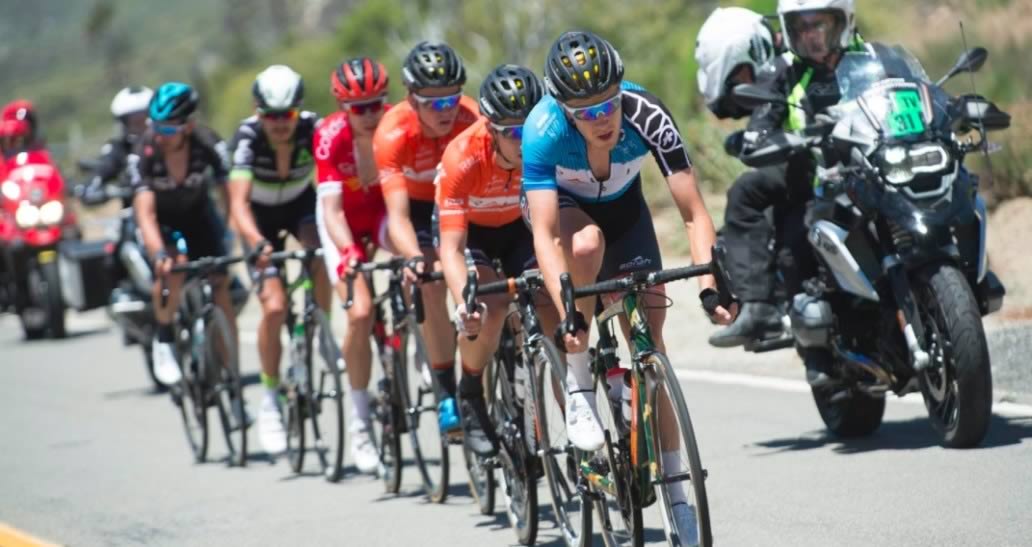
Rally Cycling : « Becoming a MPCC member, a very simple decision »
Rally Cycling team, which won two stages of the Tour of California, is a member of the MPCC. Its sports director, Jonathan Patrick McCarty, believes that the Movement has a major role to play in North America.
Former pro cyclist, Jonathan Patrick McCarty won the Ronde de l’Isard in 2003 with the US Team, he then rode for the US Postal, Discovery Channel, Phonak, Slipstream and Garmin with which he won the Giro’s TTT in 2008. After 5 years in first division, he then rode for US continental teams that allowed him to continue his career up to 2013.
In 2016, he became the sports director of Rally Cycling team, a continental team at that time. In 2017, the team joined the Movement For a Credible Cycling. A few weeks later, the team received a wild card for the Tour of California, a new World Tour race. The American race is happening right now. Last Wednesday, the orange jersey team’s riders achieved an incredible exploit. They came first and second of Santa Clarita’s stage with Evan Huffman and Rob Britton. On Saturday Huffman did it again: two wins in four days!
This result is a great reward for this team which sports director Jonathan Patrick McCarthy has a lot of ambition to improve cycling’s credibility on the other side of the Atlantic. “Our goal is to defend a credible cycling, contrary to everything that is said by the media. I think that we can expect a development of the MPCC, Roger Legeay (president of the Movement), even mentioned the possibility to have a board of members representing North America in order to initiate something more official.
Today, there are 7 american teams in the MPCC :
- Cannondale-Drapac (World Tour)
- Novo Nordisk (Continental Pro)
- UnitedHealthcare (Continental Pro)
- Rally Cycling (Continental)
- UnitedHealthcare (Women)
- Rally Cycling (Women)
- Tibco - Silicon Valley Bank (Women)

Cortisol level tests on the 4 days of Dunkirk
The team members of the MPCC have submitted 48 riders to a cortisol level test on the 4 days of Dunkirk. All the riders have been allowed to start.
On the eve of 4 days of Dunkirk, 18 member teams registered for the race submitted 48 riders to a cortisol level test as part of their commitment to the Movement for a Credible Cycling (MPCC).
These voluntary tests have been performed in collaboration with French Cycling Association (FFC) and French Cycling League (LNC). All values were above the voluntary MPCC norm. The Board notes with satisfaction that the riders of these MPCC member teams registered for the 4 days of Dunkirik have scrupulously respected the clauses of their standing orders.
Background on cortisol tests by the Mouvement pour un Cyclisme Crédible (MPCC)
The objective of the MPCC and its member teams is to contribute to restoring the credibility of cycling. One of the organisation’s activities are voluntary cortisol tests amongst the riders of the member teams of the MPCC. In case the results of the test present an abnormally low value, the rider concerned will not race for a period of minimum eight days until the cortisol value has recovered again above that minimum value.
For the sake of clarity: it concerns a voluntary norm and the test does not concern an anti-doping control. Under WADA rules, athletes across all sports, with a cortisol level abnormally low, are entitled to perform their sport in competition (unless an anti-doping test has revealed the unauthorized use of the cortisol hormone).
The reason for the MPCC member teams to introduce this voluntary norm (below which the rider concerned will withdraw from competition for that minimum period of eight days), is an effort towards all stakeholders and fans of the sport of cycling and to confirm its commitment to clean sport and to show that cycling and MPCC member teams wish to be a frontrunner in that.
Why cortisol tests ?
Although cortisol hormones are an allowed medicine when pre-scribed by a physician, the use of that medicine has frequently been abused in the history of sports (including in cycling) for the purpose of increasing the performance. Besides, a low level of cortisol can potentially endanger the health of athletes in certain circumstances when he/she is in competition while the athletes perform under high intensity or under stress.
For both reasons and with the objective to contribute to restoring the credibility of cycling, the Mouvement pour un Cyclisme Crédible and its member teams have introduced that voluntary norm below which its riders will temporarily withdraw from competition.
Doping figures as at 31 March
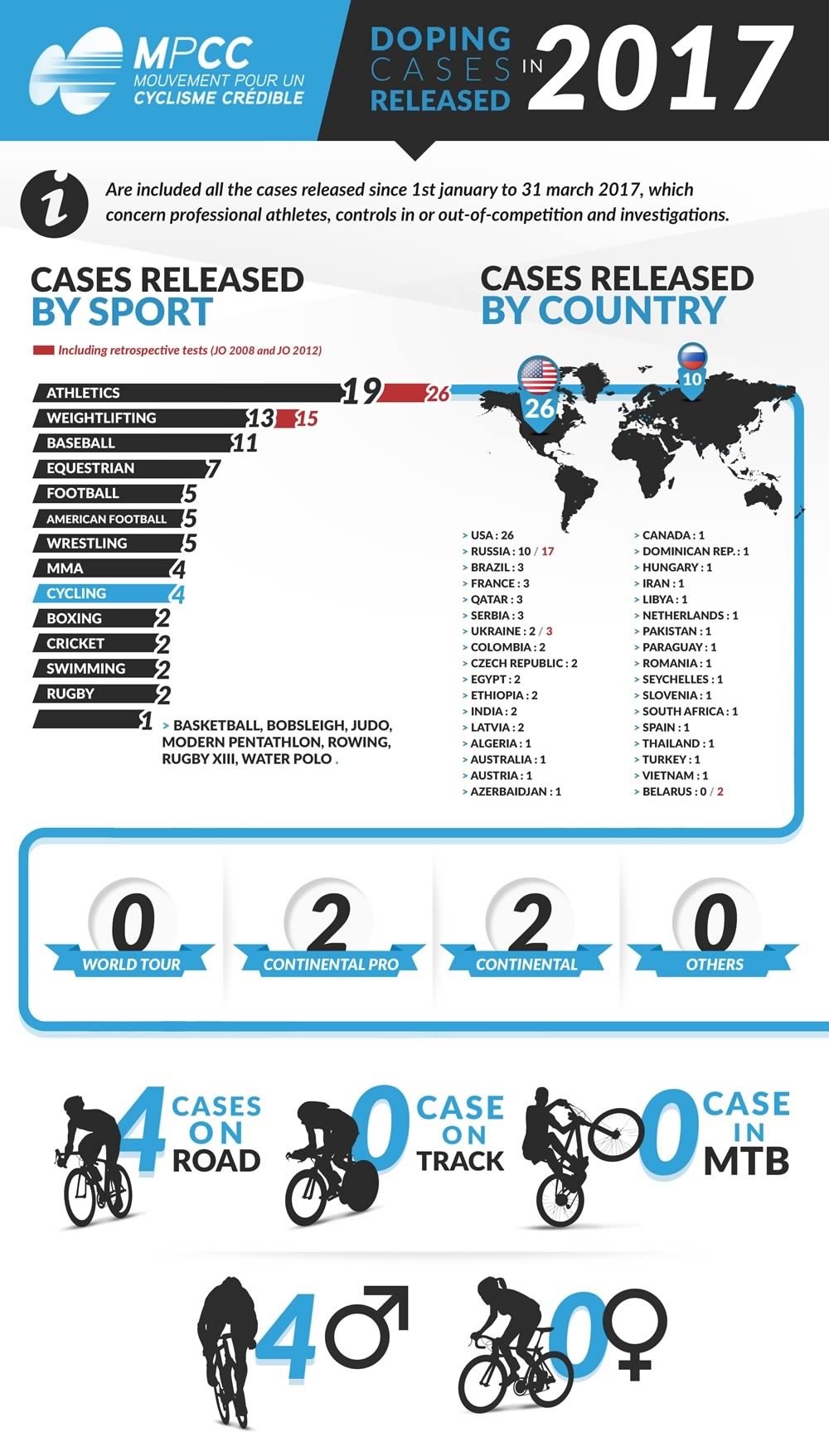
For the fourth year in a row, MPCC lists the doping cases released sport by sport, in order to better situate the place cycling occupies in comparison to other sports. Athletics is leading the way.
With 26 doping cases between the beginning of the year and the 31st of March, athletics has already faced many cases and might reach a very alarming total number of cases at the end of 2017. Those figures still stay less impressive than last year as the McLaren report had just been revealed. However, it’s enough to make athletics the sport with the most cases. Weightlifting and baseball come second and third, while cycling is far behind with less cases than many other sports.
At the end of March, cycling was the 8th sport with the most doping cases among its pro athletes with 4 cases. This is 6 times less than athletics, and less than football (5 cases).
Regarding country repartition, United States is the most affected country with 26 cases in total.
Identifying cases of doping is not an easy task and is subject to discretion if required by their respective international federations, some do not advertise doping cases in their discipline. Cycling, in contrast, reveals each positive test. Our numbers are therefore based on proven cases in 2016, according to official communications federations and anti-doping agencies.
MPCC cycling counting includes:
- Road cycling: 4 cases identified for this most publicised discipline.
- Track cycling: zero case
- MTB: zero case
Découvrez les cas de dopage révélés

Cortisol level tests on the Giro d'Italia
The team members of the MPCC have submitted 72 riders to a cortisol level test on the Giro d'Italia. All the riders have been allowed to start.
On the eve of the Giro d'Italia, 8 member teams registered for the race submitted 72 riders to a cortisol level test as part of their commitment to the Movement for a Credible Cycling (MPCC).
These voluntary tests have been performed under the auspices of the Union Cycliste Internationale (UCI) on all participants. The UCI has forwarded to the MPCC the results of all riders of the member teams. All values were above the voluntary MPCC norm. The Board notes with satisfaction that the riders of these MPCC member teams registered for the Giro d’Italia have scrupulously respected the clauses of their standing orders.
Background on cortisol tests by the Mouvement pour un Cyclisme Crédible (MPCC)
The objective of the MPCC and its member teams is to contribute to restoring the credibility of cycling. One of the organisation’s activities are voluntary cortisol tests amongst the riders of the member teams of the MPCC. In case the results of the test present an abnormally low value, the rider concerned will not race for a period of minimum eight days until the cortisol value has recovered again above that minimum value.
For the sake of clarity: it concerns a voluntary norm and the test does not concern an anti-doping control. Under WADA rules, athletes across all sports, with a cortisol level abnormally low, are entitled to perform their sport in competition (unless an anti-doping test has revealed the unauthorized use of the cortisol hormone).
The reason for the MPCC member teams to introduce this voluntary norm (below which the rider concerned will withdraw from competition for that minimum period of eight days), is an effort towards all stakeholders and fans of the sport of cycling and to confirm its commitment to clean sport and to show that cycling and MPCC member teams wish to be a frontrunner in that.
Why cortisol tests ?
Although cortisol hormones are an allowed medicine when pre-scribed by a physician, the use of that medicine has frequently been abused in the history of sports (including in cycling) for the purpose of increasing the performance. Besides, a low level of cortisol can potentially endanger the health of athletes in certain circumstances when he/she is in competition while the athletes perform under high intensity or under stress.
For both reasons and with the objective to contribute to restoring the credibility of cycling, the Mouvement pour un Cyclisme Crédible and its member teams have introduced that voluntary norm below which its riders will temporarily withdraw from competition.
Press Release of 24 April 2017
For the fourth year in a raw, the Board of the MPCC strongly reiterates its call to the international bodies to ban the use of corticoids or tramadol in competition - but is glad to see that the movement is no longer on his own in such recommandations.
Invited by the Professional Cycling Council (PCC) to attend its last meeting, the President of the MPCC Roger Legeay advocated for an increase of the number of cortisol level tests carried out by the Cycling Anti-Doping Foundation (CADF). The purpose is to declare a work stoppage if a rider has to face an abnormally now cortisol level.
The MPCC welcomes the recent remarks of the Director of the WADA Olivier Niggli on the corticoids topic. In March this year, he stated the agency was considering a complete ban of the use of this medication. Our movement - whose members embraced this measure 10 years ago - hopes this ban will be effective within the shortest possible time frame, as a general consensus now seems to emerge on these questions.
On the other hand, our position on the tramadol question is no longer just shared with the UCI but also the US Anti-Doping Agency (USADA) and the UK Anti-Doping Agency (UKAD), which are calling to the WADA to the ban this painkiller.
All the actions carried out by the MPCC with the international bodies, combined with its faithfulness to commitments, allow the movement to convince an increasing number of members year after year.
Prior to the current season, 6 teams and 1 national association have expressed the desire to join the MPCC.
All these membership requests have been accepted by the Board.
Continental division:
Roubaix Lille Métropole (FRA) and Development Team Sunweb (NED)

Pro Continental division:
Aqua Blue Sport (IRL), Cycling Academy Team (ISR) and Manzana Postobon (COL)

Aqua Blue Sport
Adhésion :
20/02/2017
Représentant :
Stephen Moore
Médecin :
Dr Alan Farrell
Membre provisoire
website

Cycling Academy Team
Adhésion :
02/02/2017
Représentant :
Ran Margaliot
Médecin :
Idit Shub
Membre provisoire
website
Manzana-Postobon
Adhésion :
21/12/2016
Représentant :
Luisa Fernanda Rios
Médecin :
Lorena Adarve
Membre provisoire
website
A 4th Pro Continental team has been admitted on probation:
Soul Brasil (BRA)

Soul Brasil Pro Cycling
Adhésion :
16/01/2017
Représentant :
Benedito Tadeu de Azevedo Jr
Membre probatoire
Website
The MPCC is also honored to host a 10th national association in its college of members: the Luxembourgish Cycling Federation (FSCL).
All these recent adhesions emphasize the international nature of the MPCC, as has been stated by Roger Legeay on the last meeting of the PCC.

The TUEs debate
TUEs have been subject to debate over the last few months. This process governed by the WADA rules authorises an injured or sick athlete to use a banned medication under certain conditions. These practices can easily be abused. Cycling has been involved in many arguments on this matter but also other sports, especially rugby.
Within the framework of MPCC regulation, "TUEs have to be validated by the physician of the team". The use of TUEs is limited to very special cases happening on an occasional basis: that's why the idea of exceptions is justified. Dr Maurizio Vicini, physician of the Androni Giocattoli team, witnesses: "TUEs have to come at the right moment, in a right way and from a serious professional". Cofidis' Dr Arthur Molique adds: "That stay very specialised medical problems for which a College of doctors should gather to state on. In the team, we haven't requested a single TUE in 3 or 4 years."
When you are dealing with a cortisone treatment, the MPCC makes the situation very clear: "It is mandatory for any rider who, due to his health condition, may need a cortison treatment given systemically - via oral, rectal, intramuscular or intraveinous administration - to be prescribed a sick leave and a competition leave for a minimum of 8 days. It is mandatory for such cortisone treatments given systemically as reminded above to be validated by the physician in charge of the team. Competition participation will resume, subject to a cortisol levels control yielding normal results. Corticoid infiltrations, which do not require TUE, will imperatively be validated by the physician in charge of the team, who will imperatively prescribe a minimum of 8 days of sick leave and competition leave, as well as a cortisol levels control. In case of unusually low cortisol levels, competition will resume after an additional 8-days rest minimum and back-to-normal cortisol levels."
Today the question arises whether making those TUEs public is relevant or not. Apart from the difficulties related to the principle of medical confidentiality, Dr Arthur Molique considers this doesn't answer the question of the legitimacy of TUEs allocations. "This is a bottomless pit", he says. At the MPCC, we have chosen to responsabilise the members on these issues. "This guideline works", Molique adds. It clarifies the rules of the game.
In a press release published in September 2016, Three-times Tour de France winner Christopher Froome stated: "It is clear that the TUE system is open to abuse (...) I believe that this is something that athletes need to take responsability for themselves, until more stringent protocols can be put in place." Some comments echo those of the members of our movement: Chris, feel free to join the MPCC!
Cortisol level tests on Paris-Roubaix
The team members of the MPCC have submitted 27 riders to a cortisol level test on Paris-Roubaix. All the riders have been allowed to start.
On the eve of Paris-Roubaix, 9 member teams registered for the race submitted 27 riders to a cortisol level test as part of their commitment to the Movement for a Credible Cycling (MPCC).
These voluntary tests have been performed in collaboration with French Cycling Association (FFC) and French Cycling League (LNC). All values were above the voluntary MPCC norm. The Board notes with satisfaction that the riders of these MPCC member teams registered for Paris-Roubaix have scrupulously respected the clauses of their standing orders.
Background on cortisol tests by the Mouvement pour un Cyclisme Crédible (MPCC)
The objective of the MPCC and its member teams is to contribute to restoring the credibility of cycling. One of the organisation’s activities are voluntary cortisol tests amongst the riders of the member teams of the MPCC. In case the results of the test present an abnormally low value, the rider concerned will not race for a period of minimum eight days until the cortisol value has recovered again above that minimum value.
For the sake of clarity: it concerns a voluntary norm and the test does not concern an anti-doping control. Under WADA rules, athletes across all sports, with a cortisol level abnormally low, are entitled to perform their sport in competition (unless an anti-doping test has revealed the unauthorized use of the cortisol hormone).
The reason for the MPCC member teams to introduce this voluntary norm (below which the rider concerned will withdraw from competition for that minimum period of eight days), is an effort towards all stakeholders and fans of the sport of cycling and to confirm its commitment to clean sport and to show that cycling and MPCC member teams wish to be a frontrunner in that.
Why cortisol tests ?
Although cortisol hormones are an allowed medicine when pre-scribed by a physician, the use of that medicine has frequently been abused in the history of sports (including in cycling) for the purpose of increasing the performance. Besides, a low level of cortisol can potentially endanger the health of athletes in certain circumstances when he/she is in competition while the athletes perform under high intensity or under stress.
For both reasons and with the objective to contribute to restoring the credibility of cycling, the Mouvement pour un Cyclisme Crédible and its member teams have introduced that voluntary norm below which its riders will temporarily withdraw from competition.
Cortisol level tests on Paris-Nice
The team members of the MPCC have submitted 33 riders to a cortisol level test on Paris-Nice. All the riders have been allowed to start.
On the start of Paris-Nice's 6th stage, 11 member teams registered for the race submitted 33 riders to a cortisol level test as part of their commitment to the Movement for a Credible Cycling (MPCC).
These voluntary tests have been performed in collaboration with French Cycling Association (FFC) and French Cycling League (LNC). All values were above the voluntary MPCC norm. The Board notes with satisfaction that the riders of these MPCC member teams registered for Paris-Nice have scrupulously respected the clauses of their standing orders.
Background on cortisol tests by the Mouvement pour un Cyclisme Crédible (MPCC)
The objective of the MPCC and its member teams is to contribute to restoring the credibility of cycling. One of the organisation’s activities are voluntary cortisol tests amongst the riders of the member teams of the MPCC. In case the results of the test present an abnormally low value, the rider concerned will not race for a period of minimum eight days until the cortisol value has recovered again above that minimum value.
For the sake of clarity: it concerns a voluntary norm and the test does not concern an anti-doping control. Under WADA rules, athletes across all sports, with a cortisol level abnormally low, are entitled to perform their sport in competition (unless an anti-doping test has revealed the unauthorized use of the cortisol hormone).
The reason for the MPCC member teams to introduce this voluntary norm (below which the rider concerned will withdraw from competition for that minimum period of eight days), is an effort towards all stakeholders and fans of the sport of cycling and to confirm its commitment to clean sport and to show that cycling and MPCC member teams wish to be a frontrunner in that.
Why cortisol tests ?
Although cortisol hormones are an allowed medicine when pre-scribed by a physician, the use of that medicine has frequently been abused in the history of sports (including in cycling) for the purpose of increasing the performance. Besides, a low level of cortisol can potentially endanger the health of athletes in certain circumstances when he/she is in competition while the athletes perform under high intensity or under stress.
For both reasons and with the objective to contribute to restoring the credibility of cycling, the Mouvement pour un Cyclisme Crédible and its member teams have introduced that voluntary norm below which its riders will temporarily withdraw from competition.