
Roundup of the Tour de France Femmes
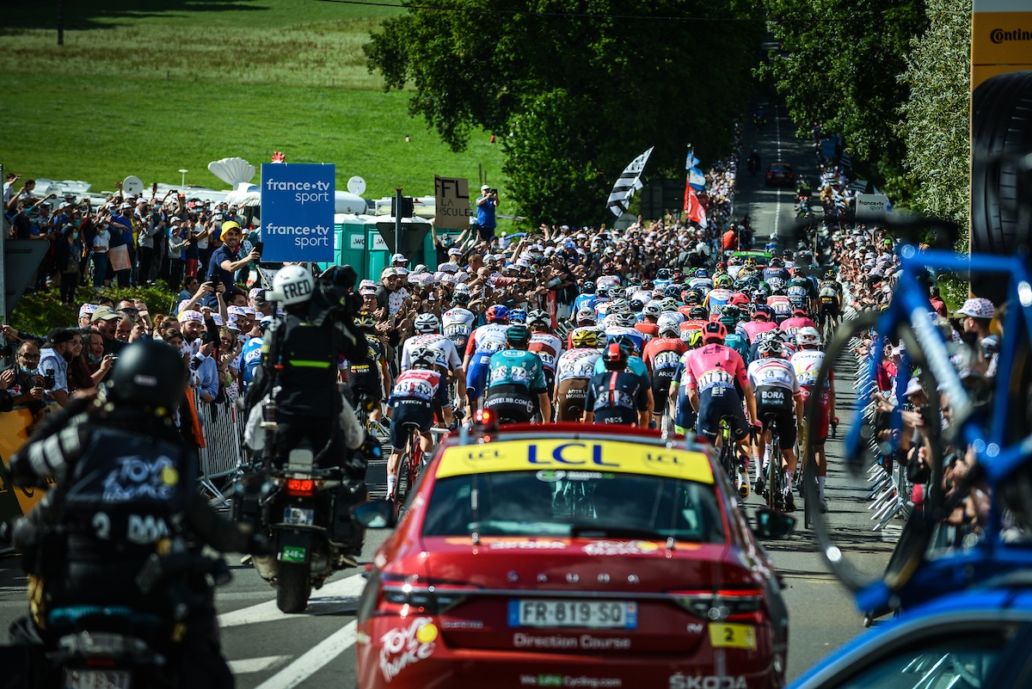
After the Olympic fortnight, marked by the unforgettable images of joy and cheering surrounding the men's and women's road races in Paris, the women's competition are back in action with the 3rd Tour de France Femmes. The peloton's elite will battle it out over 950 kilometers of racing and eight stages, from Rotterdam, in the Netherlands, to the legendary Alpe-d'Huez climb, which will host the event for the first time.
At the start on Monday, 20 riders will begin the Tour as members of the MPCC, on their own. Among the MPCC starters are Alison Jackson, winner of Paris-Roubaix Femmes in 2023 and a member of our movement for six years, Juliette Labous, one of the spearheads of French women's cycling, and Lorena Wiebes, one of the best sprinters in the world. Each of them proves that you can be a great champion and still be committed to the fight against doping.
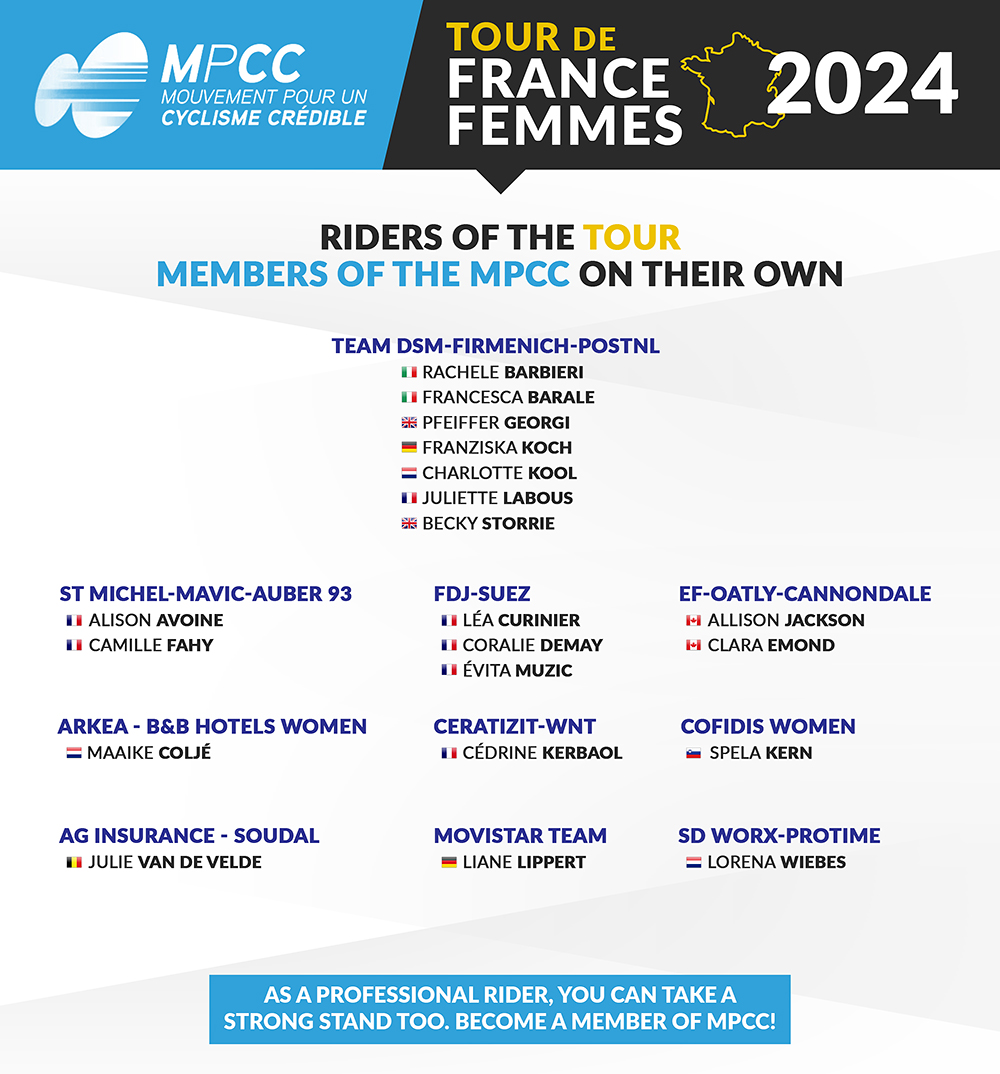
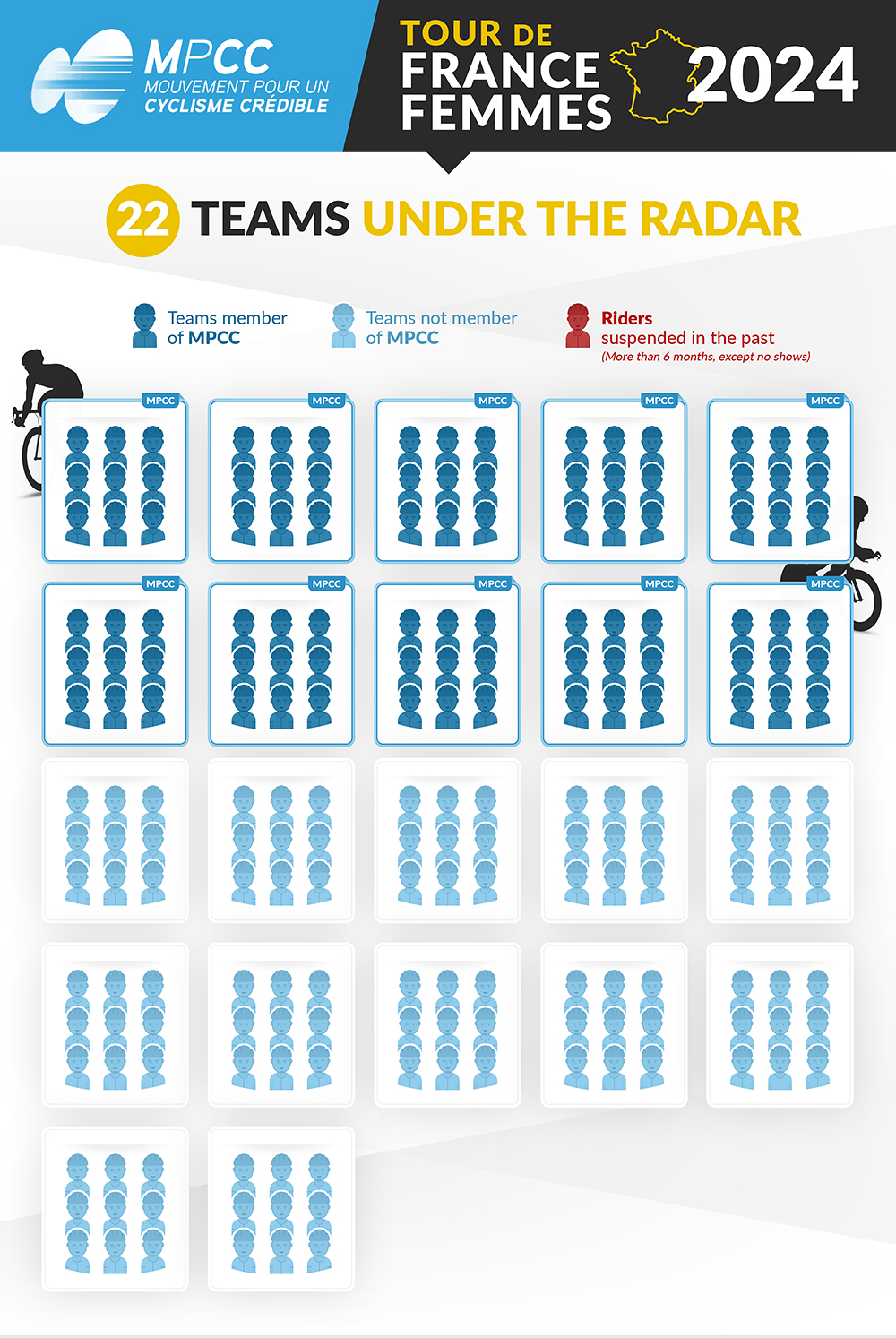
Ten out of the twenty-two starting teams in the Tour de France Femmes have also chosen to join us. At the start of the season, the MPCC welcomed new Continental-level women's teams, but there is still a long way to go before a much larger proportion of the peloton is involved in a more credible cycling, in the fight against doping and the professionalisation of women's cycling. Our movement is closely monitoring its development and induces other teams, riders and support staff to join us.
Commit to MPCC, join us ! Be players in the fight against doping !

Credibility figures : Vigilance remains the watchword
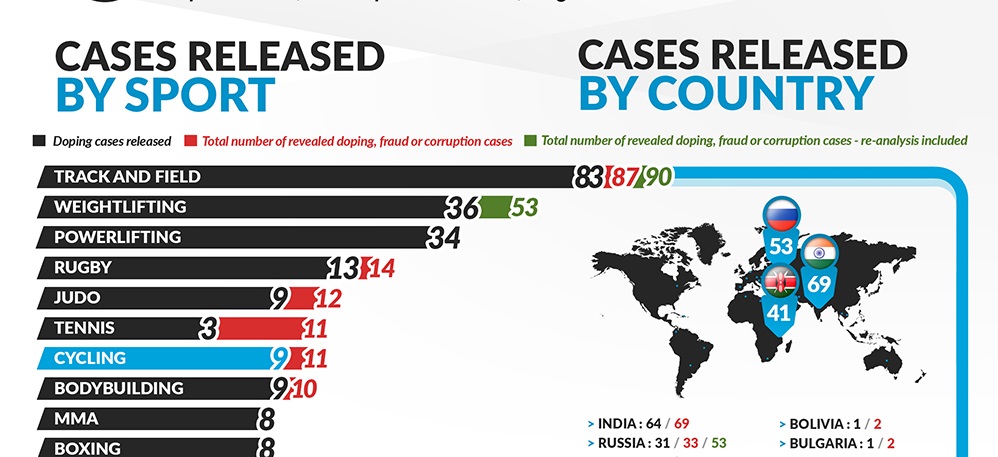
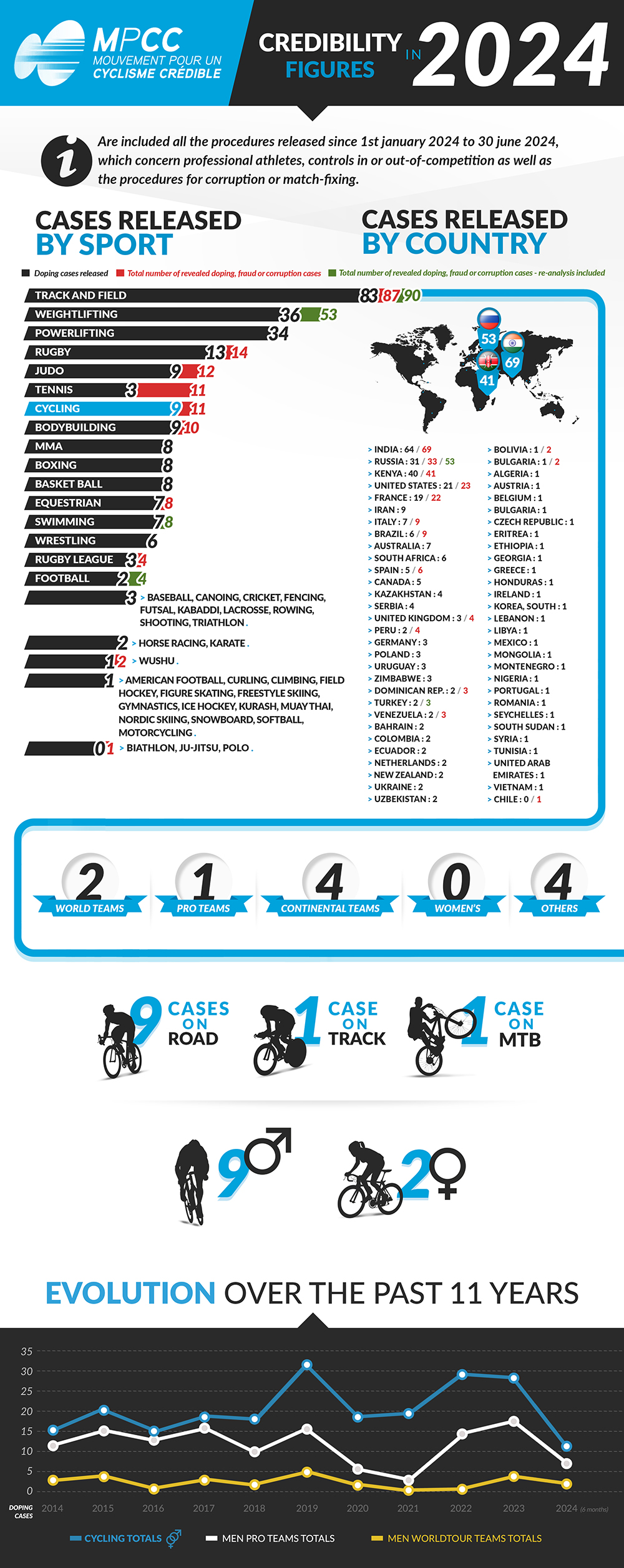
In the midst of a year rich in sporting events, the MPCC provides a new update on the Credibility Figures. With 11 cases revealed in the first six months, cycling is far from being the sport most affected by doping, but recent events have prompted us to be extremely vigilant.
For seventeen years, the Movement for credible cycling has been at the forefront of the fight against doping. By launching cortisol tests in the peloton as early as 2008, by calling for the banning of Tramadol, which appeared in the mid-2010s (banned by WADA from 1 January 2024), and by requiring its member teams not to recruit a rider who has been suspended for more than a year in the two years following his suspension, the MPCC has sought to play its part in the fight against doping.
With just a few days from the Games of the XXXIII Olympiad, the MPCC is delighted to see so many institutions preparing to defend the credibility of top-level sport. The International Testing Agency (ITA) will be responsible for analysing 6,000 samples over the two weeks of competition (2,000 for the Paralympic Games). By way of comparison, around 6,200 samples were taken at the Tokyo Games in 2021, and fewer than 3,000 at London 2012. Created in 2018, the aim of this international agency was to strengthen the credibility of the fight against doping, in particular by avoiding suspicions of conflicts of interest between national testing bodies and athletes, which arose following the McLaren report scandal establishing state-sponsored doping in Russia.
THE MEANS TO THE FIGHT IN QUESTION
At the same time, another country is making the anti-doping headlines : Kenya. The increase in the number of positive tests (around sixty since the start of the year) is worrying some observers, but must be seen in the context of the unprecedented efforts made by the local government to "clean up the stables" and improve the country's image in international competitions. The Anti-Doping Agency of Kenya (ADAK) has spent 25 million dollars over the last five years. However, these efforts could be wiped out by the National Treasury, which has planned a drastic 30% cut in funding for semi-autonomous agencies, including ADAK.
The third most affected country in 2024, according to our figures, is a symbol of the fight against doping. It's a battle that requires a strong commitment from those involved in sport, from the politics, as well as a considerable financial investment. In France (22 cases reported this year), the AFLD has published its 2023 activity report for the 2022 doping figures. Out of 12,000 samples taken, 105 revealed adverse analytical results (AAR) and 70 cases resulted in sanctions. Cycling, the second most-tested sport in France behind rugby, had a total of 1,632 samples taken, with 0.86% showing AAR.
THE EMERGENCE OF TAPENTADOL
In the first six months of 2024, there were 11 cases of sporting fraud in professional cycling, including 9 cases of doping. The most recent case to hit the headlines was that of EF Education-EasyPost rider Andrea Piccolo. In March, the American team, a member of the MPCC, immediately suspended the Italian after discovering the use of a sleeping pill that had not been authorised by the medical staff. Worse still, Andrea Piccolo was arrested by Italian customs on 21 June for transporting growth hormones. EF Education-EasyPost has therefore strictly applied one of our rules: to remove a rider from its ranks as soon as he is identified in a doping case.
Although, contrary to popular belief, cycling is not at the top of the list of sports most affected, this latest case highlights the extent to which the fight against doping remains a constant battle. On 12 June, the MPCC sent a letter to WADA to highlight the emergence in the peloton of a new medication, Tapentadol (also known as Nucynta). Much more powerful than Tramadol, this opioid has analgesic effects similar to morphine and can therefore push back the pain threshold.
More than ever, we are asking teams who are concerned about the health of their riders and the fairness of the competition to join the MPCC. Managers, team directors and support staff need to be "players in the fight against doping" to consolidate the achievements of the recent past, remain vigilant in the present and not compromise the future of our sport. As we already pointed out in our documentary produced at the start of the season, illustrating the actions of the ITA and some of our members (teams and riders), it is still necessary to "keep the light on".
Commit to MPCC, join us ! Be players in the fight against doping !

Focus on the Tour de France start list
The Tour de France will set from Italy on Saturday. For this 111th edition, the MPCC counts fifty riders who are individual members of our movement. This figure has remained stable over the last two years, but is still not enough to ensure that everybody needs to be « actor in the fight against doping. »
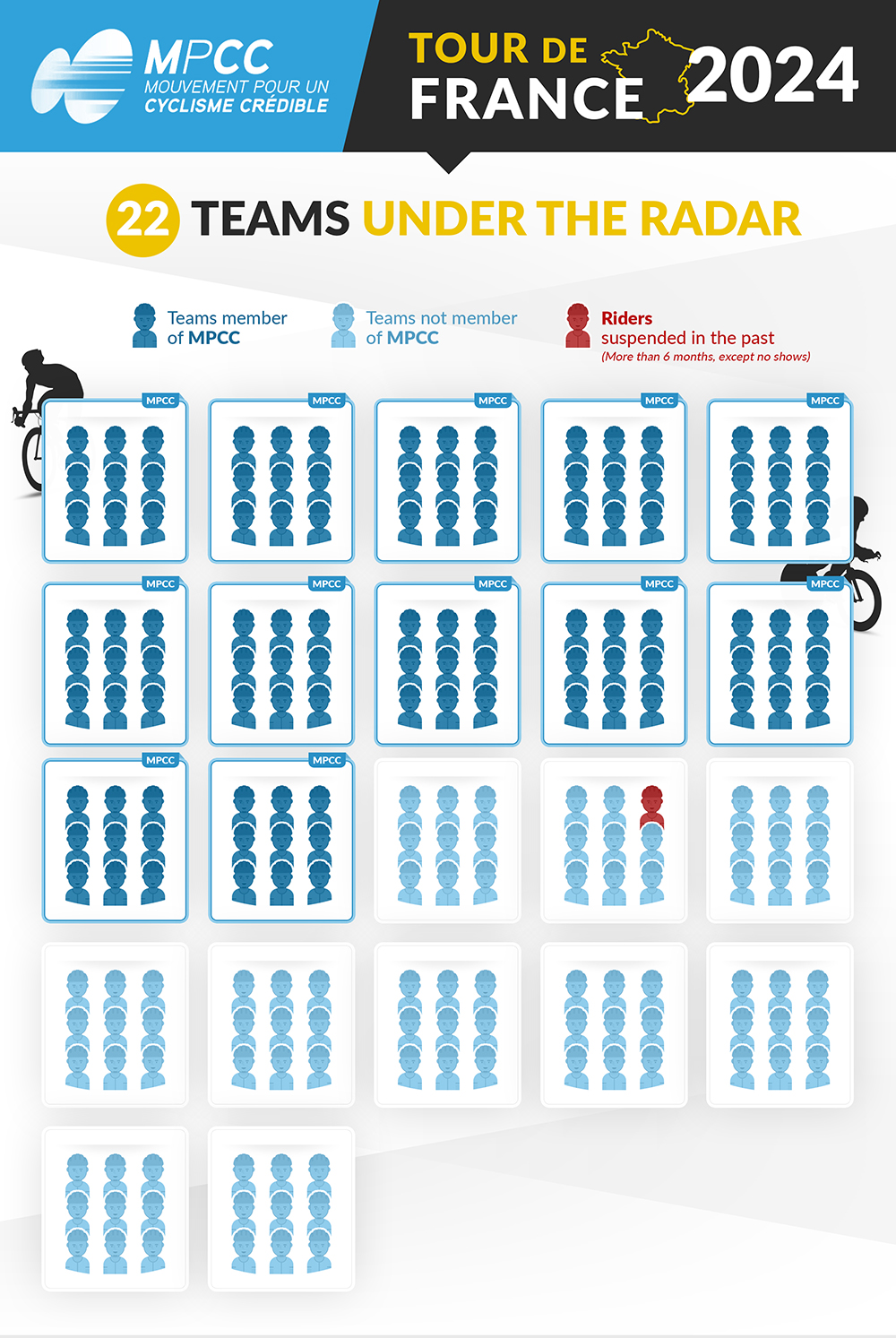
The Tour de France 2024 has settled in Italy, to mark the hundredth anniversary of the first Italian overall win in the Grande Boucle. And for this big start, the MPCC notes a relatively stable number of individual members at the start of a grand tour. Out of 176 starters, 50 riders representing 15 countries have chosen to join us in the fight against doping, but above all to reinforce the credibility of our sport.
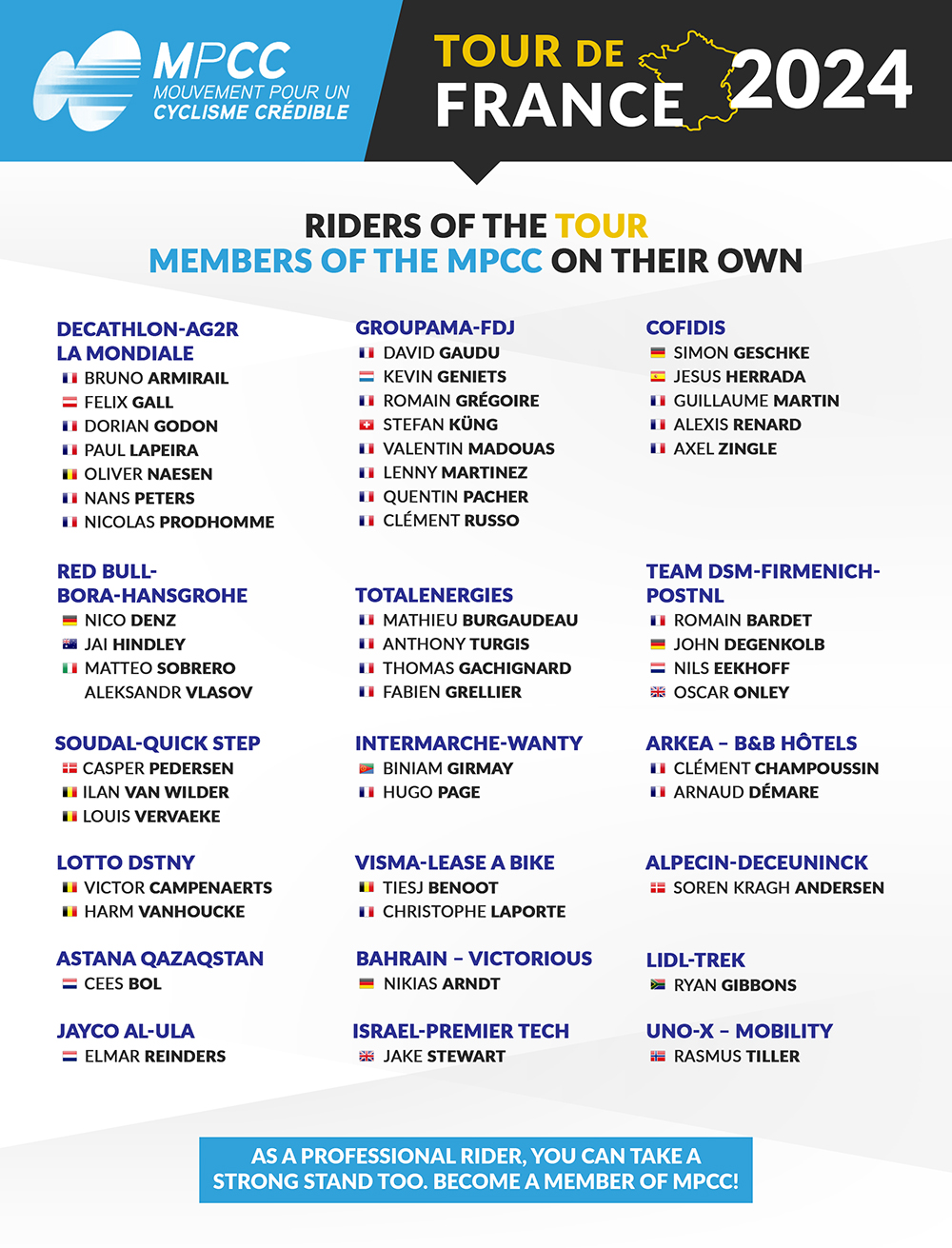
This race is much more important for us because Amaury Sport Organisation (ASO), the race organizer which has supported the MPCC for twelve years, made membership of our movement an essential condition for granting a wild card. Israel - Premier Tech, Lotto Dstny, Uno-X - Mobility and TotalEnergies are all members and are therefore committed to respect our rules. As a result, 12 of the 22 teams in this Tour de France have chosen to become "actors in the fight against doping".
So we support other teams and their riders to join us, while emphasising that the membership and involvment to our values is based on volunteering. The MPCC would also like to point out that, in the past, only one of the starters in this Tour de France has served a suspension of more than six months for an anti-doping rule violation. This rider belongs to a team that is not a member of our movement.
Commit to MPCC, join us ! Be players in the fight against doping !
Focus on the 2024 Giro starters
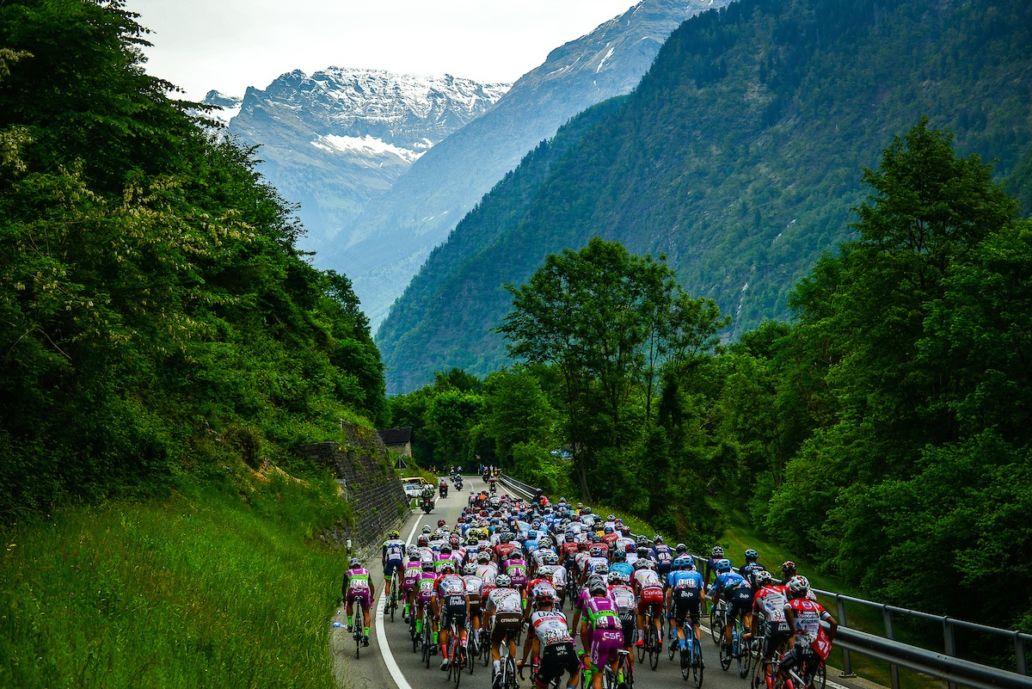
The first Grand Tour of the season, the Giro d'Italia, has only half of its starting teams signed up to the MPCC. The number of individual members remains relatively stable.
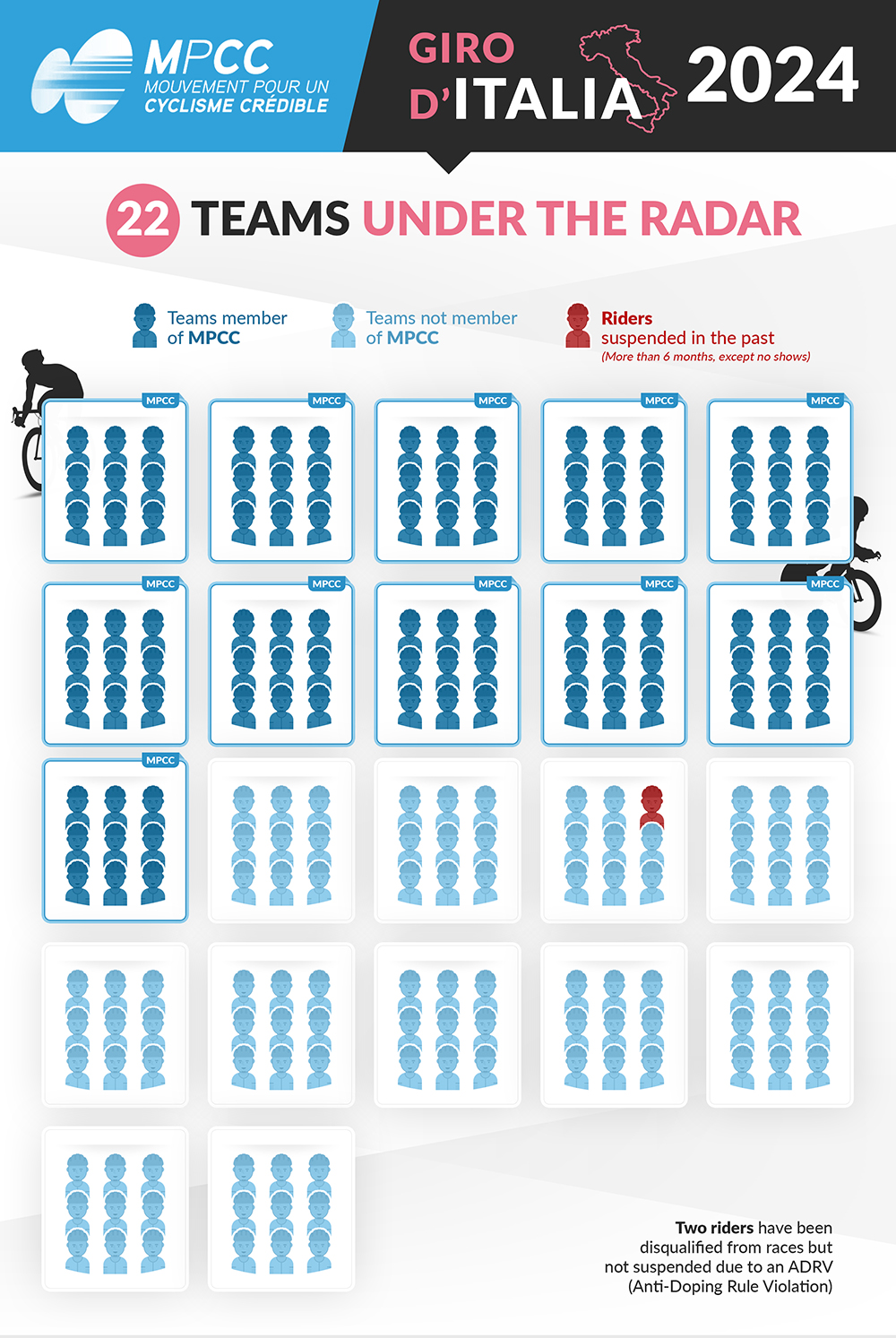
The 107th Giro d'Italia took off from Piemonte on Saturday with just 11 of the 22 starting teams members of the MPCC. Three of the four Pro Teams who have been awarded a wild card are members of our association : Israel-Premier Tech, Tudor Pro Cycling Team and VF Group-Bardiani CSF-Faizanè. The Italian outfit, taking part in its fifteenth consecutive Giro, joined us seven years ago and Tudor Pro Cycling Team was one of the last teams to commit to credible cycling, almost a year ago.
On an individual scale, the Giro peloton features 53 MPCC members from 18 different teams. These figures confirm a certain stability in the pack at each start of the Grand Tours over the last two years or so (between 50 and 55 riders). On the other hand, the number of teams represented shows that riders can commit to the MPCC on their own beliefs.
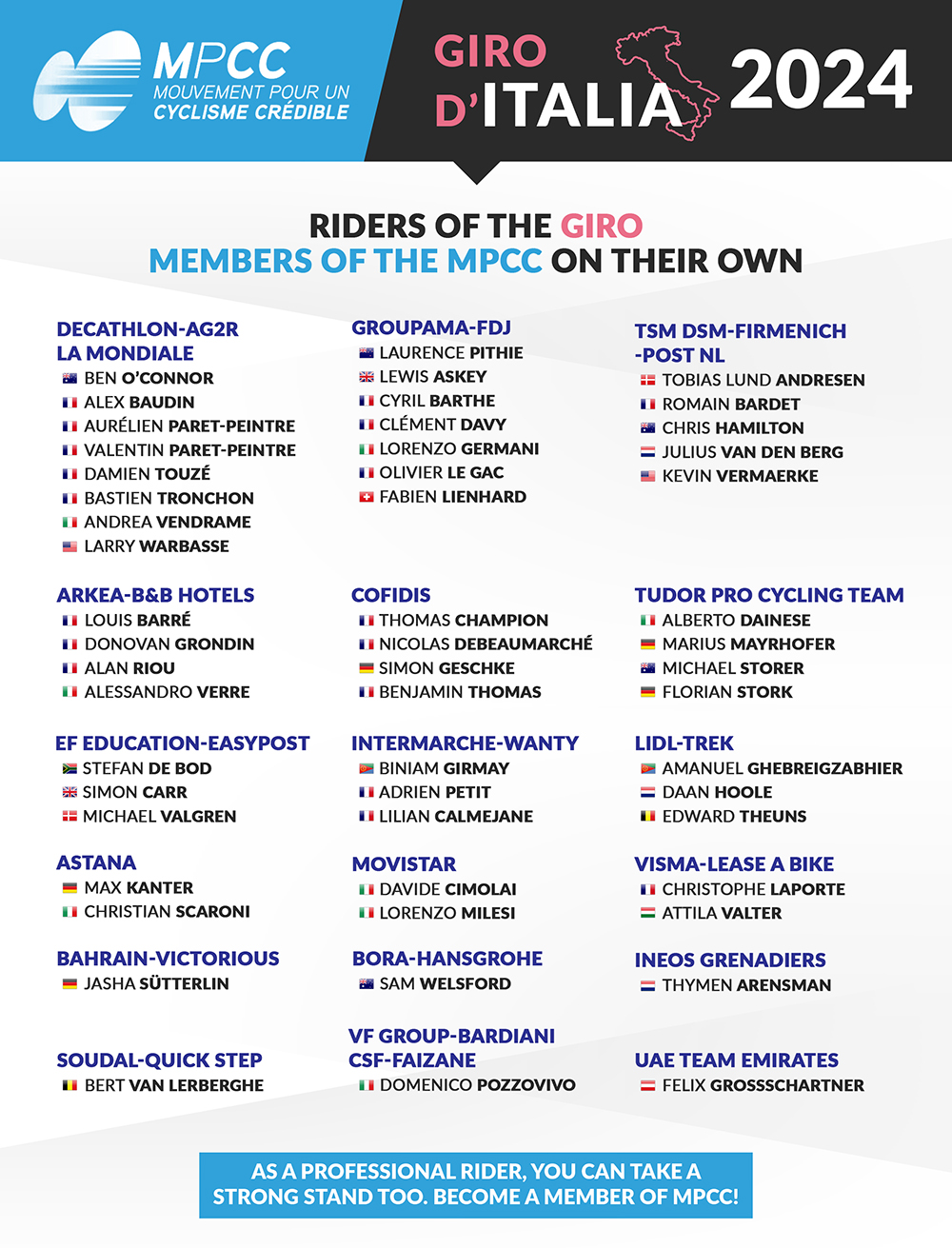
We therefore encourage the MPCC riders to persuade their teammates and employers to join our movement, while emphasising that the membership is based on volunteering.
The MPCC would also like to point out that only one of the 176 starters of this Giro d'Italia has been suspended in the past. Two other riders have been disqualified from races but have not been suspended for more than six months for an anti-doping rule violation.
Commit to MPCC, join us ! Be players in the fight against doping !
Credibility figures : A mixed start to the year
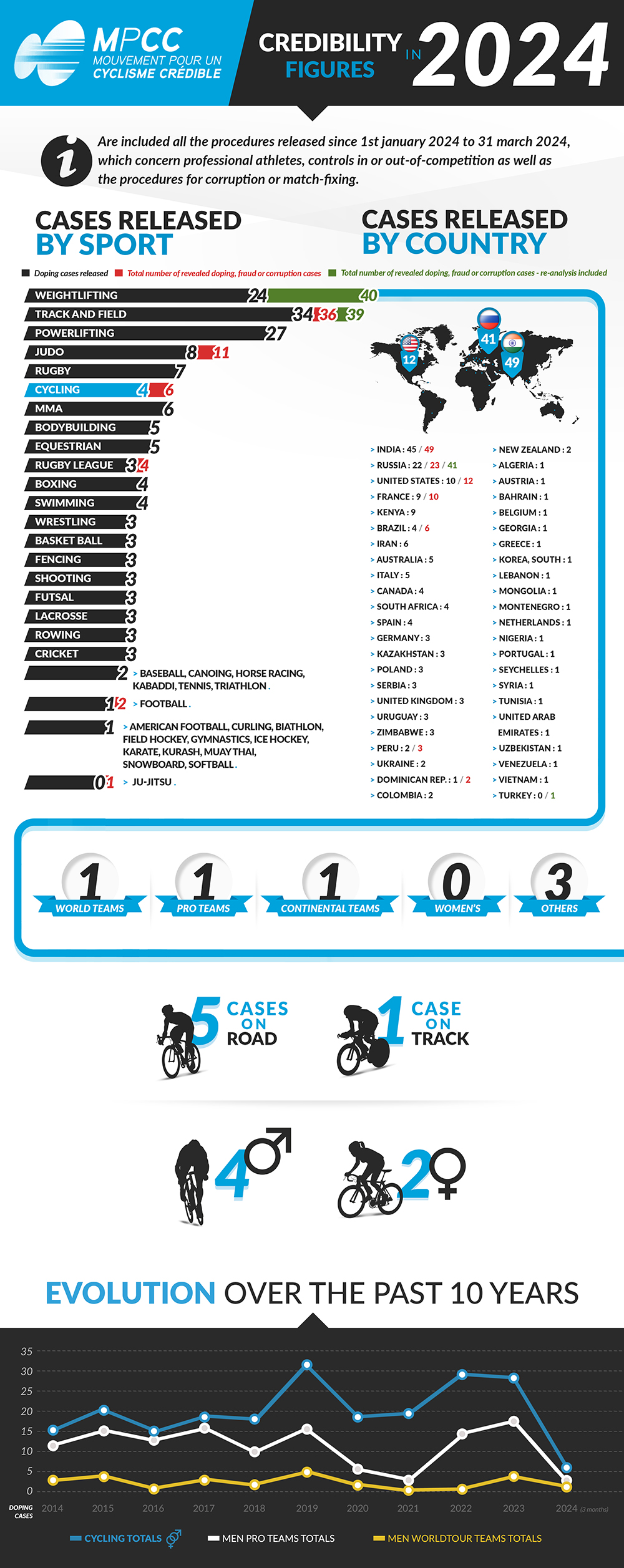
After the first quarter, the MPCC noted six doping or fraud cases revealed in professionnal cycling and stays careful regarding the global situation in the fight against doping and cheating, in all sports.
In this Olympic year, top-level sportsmen and women are in the spotlight. Pushed by their national federations and Olympic committees, which they represent ; by their partners, some of whom have been supporting them for many years ; and by their fans, who are eager to see them in action for several weeks of festivities and intense competition. The athletes also take part in the Olympic games in order to represent its values : excellence, respect and friendship. In this context, precaution must be redoubled to ensure that the integrity of performances remains respected.
For several months now, the World Anti-Doping Agency (WADA), the Athletics Integrity Unit (AIU) and the International Testing Agency (ITA) have been stepping up initiatives to maintain a high level of standard in the fight against doping. For example, several national antidoping agencies have been declared non-compliant with the World Anti-Doping Code (including Tunisia, Venezuela and Nigeria) and a laboratory in charge of some of the tests in South Africa has been provisionally suspended. But this constant monitoring is not always enough.
At the beginning of the year, the fight against doping and cheating took a serious hit after the scandal involving the Spanish antidoping agency (CELAD). Revelations in the press pointed out to retroactive TUEs, an intravenous medical treatment (a method banned by WADA since 2005) and procedural flaws that allowed some athletes to avoid suspensions. This case confirms that the fight for clean sport is a constant battle for its credibility.
Significant increase of figures in India
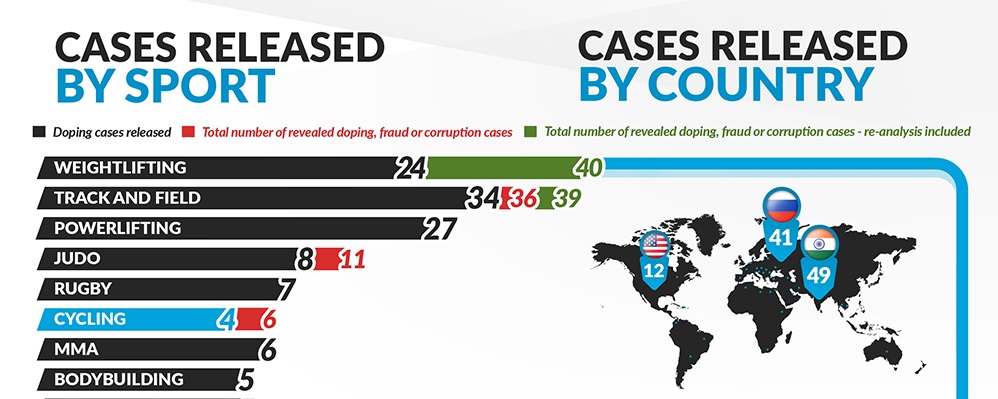
As of March 31st, athletics and strength sports still topped the Credibility Figures, with 39 cases of doping and/or fraud revealed in athletics, 40 in weightlifting and 27 in powerlifting. However, the weightlifting figures need to be put into perspective, as 16 cases were made public following analysis of the Moscow’s LIMS data (Laboratory Information Management System).
On a national scale, the significant increase of number of suspensions in India is particularly worrying (49) but can be explained by a wave of tests carried out during the National Games held last October and November in Goa. France (10 cases) was also rocked by the revelation of a positive test from one of its leading fencers, Ysaora Thibus, and the suspension of multiple javelin champion Alexie Alaïs.
Two former World Tour riders tested positive
On its behalf, cycling had a mixed first quarter with six doping cases and/or sporting frauds. Two atypical cases of fraud concerned the Women’s Continental team Cynisca Cycling. On 9 July 2023, one of its team managers (now suspended until the end of 2025) instructed four of its riders to lie about the presence of the team's fifth rider at the Argenta Classic (1.1). A mechanic was sent instead to allow her team to take the start. The false information given to the commissaires was therefore sanctioned.
The MPCC is particularly concerned about the two cases of Antwan Tolhoek, who tested positive for anabolic steroids in November (announcement on 7 February) as he was on his way to leave the World Tour team Lidl-Trek, and Franck Bonnamour, whose biological passport showed abnormalities according to the UCI (reclassified as "use of prohibited methods and/or substances"). At the time his provisional suspension was announced, Bonnamour was a member of one of the founding teams of our movement, Décathlon-AG2R La Mondiale. Even though the period put into question (2016-2022) does not cover the one during which Franck Bonnamour was in the French team, Décathlon-AG2R La Mondiale applied strictly our fundamental rules by quickly suspending the rider, who was finally dismissed on 26 March.
These two doping violations involving former World Tour riders are a reminder to team managers, support staff and riders to be particularly active, not to leave their riders or training partners to fend for themselves against the scourge of doping. For some of these reasons, the MPCC encourages all stakeholders of professional cycling to be "actors in the fight against doping". Our teams have been leading the way for several seasons, including 15 of the 17 ProTeams. 8 out of the 18 World Tour teams have also subscribed to the values and rules of the MPCC, which is a solid but still insufficient basis for the elite of world cycling. We also hope that other Continental teams (men's and women's) will sign up alongside us, to keep the flame of credible cycling enlighted.
Doltcini O'Shea commits to the MPCC
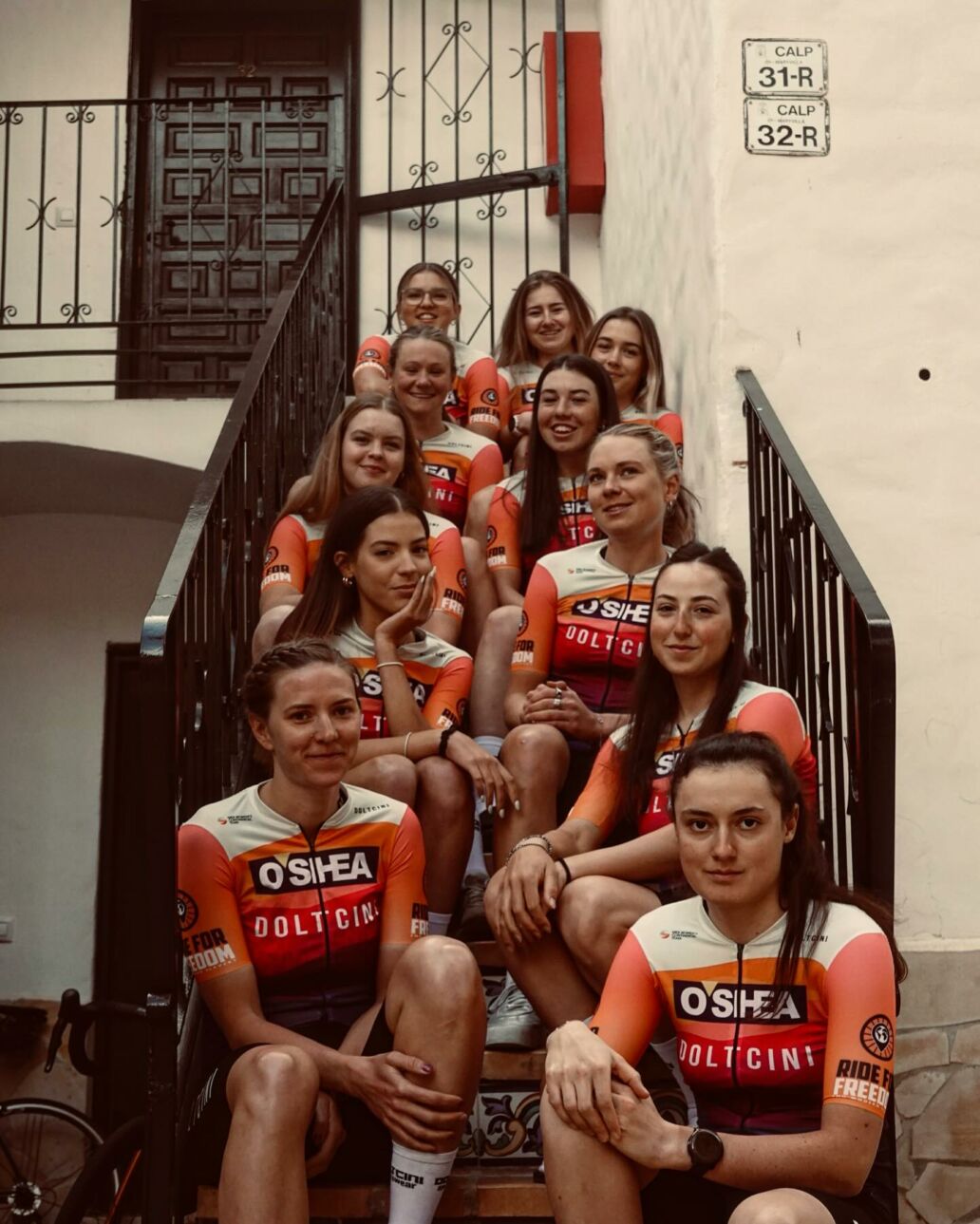
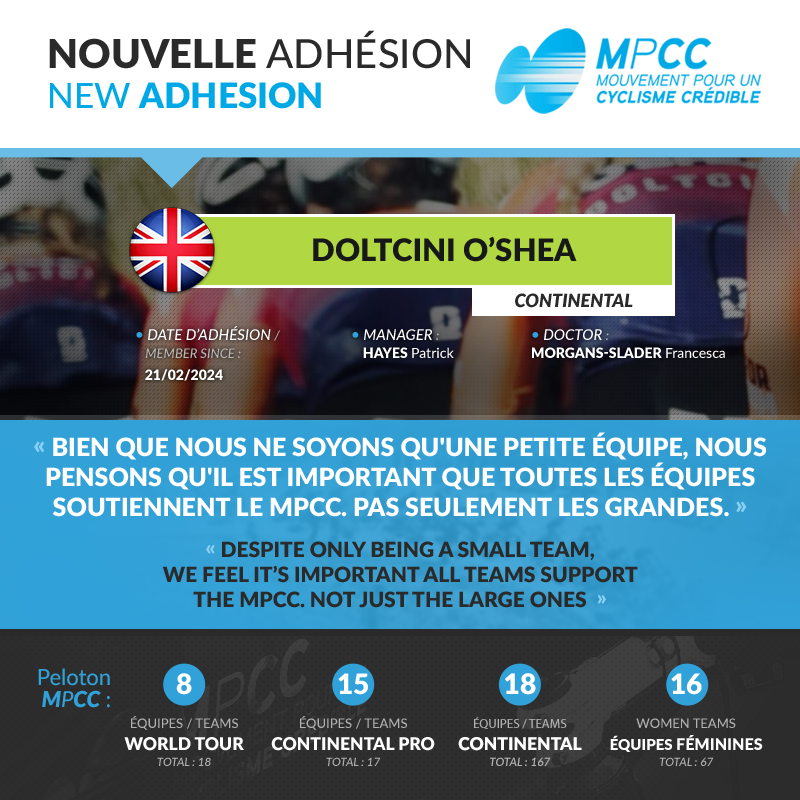
A few days after Lifeplus - Wahoo, a new women's professional team has decided to join the MPCC in 2024: Doltcini - O'Shea. The Continental level team has 17 riders representing 8 nationalities and includes the experienced British rider Hayley Simmonds (stage win in the 2017 Thüringen Ladies Tour), her fellows and rising talents Niamh Murphy (3rd in the 2022 juniors Tour of Flanders) and Matilda McKibben, the Irish rider Kelly Murphy as well as multiple Israeli road race champion Omer Shapira, coming from EF Education-Cannondale, another MPCC member.
Its team representantive Patrick Hayes states : « We wish to join the MPCC because we feel it is important that cycling is a fair sport and that the health of participants is safeguarded and that performance enhancing drugs are not used nor are medical treatments misused to gain advantage. As a very small team, perhaps the UCI team with the smallest budget, we think it is important that all teams are totally transparent and that it is important to observe the principal as well as the letter of the rules and not to use either substances that are not yet prohibited or in doses which are below the official limits and that larger teams do not misuse the medical resources at their disposal .Despite only being a small team, we feel it is important all teams support the MPCC not just the large ones. »
This new membership should encourage other Women's Continental and World Tour teams to join us and become strong and credible actors in pro cycling.
Credibility figures : a difficult year for sport in general
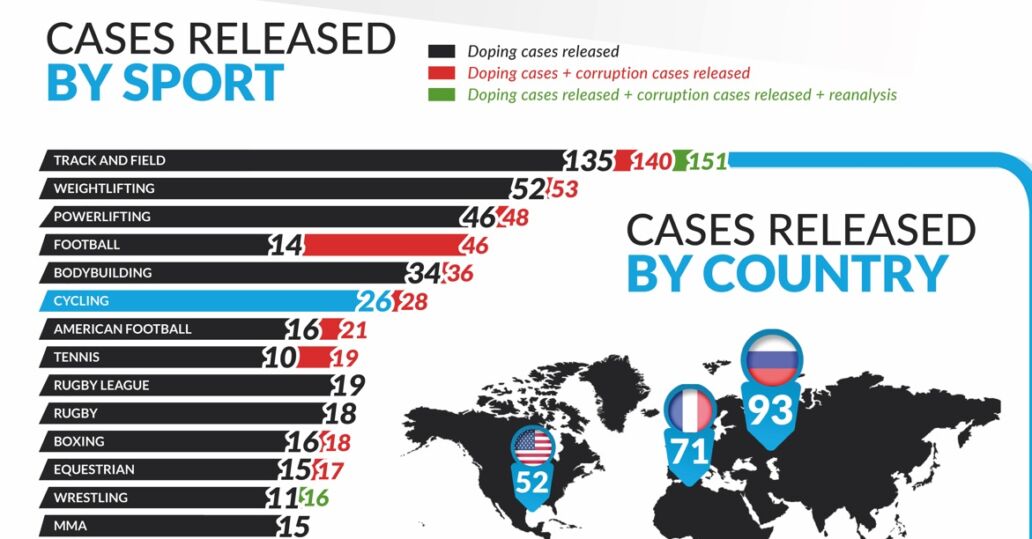
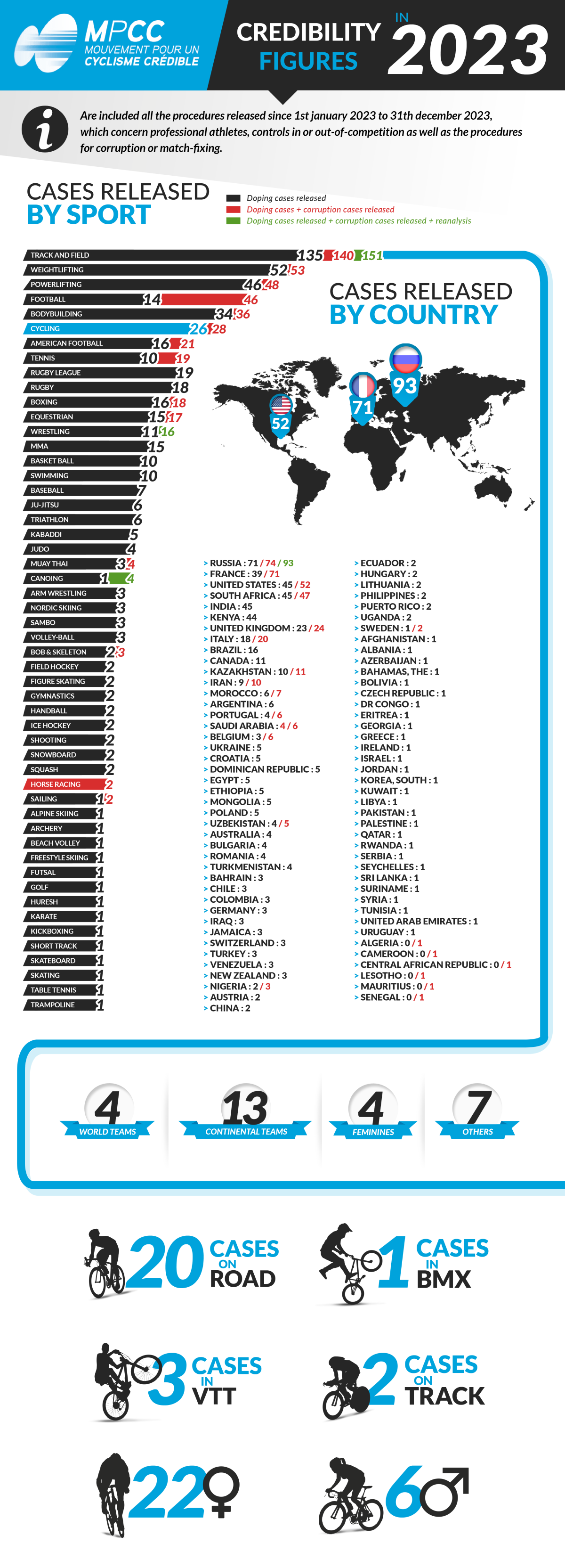
With the 2023 review of the "Credibility Figures", the MPCC takes note of the thirty or doping cases revealed in our sport. Despite this stable figure compared to 2022, our group reiterates that it is more legitimate than ever in the fight against doping.
Year 2023 closed its doors a few days ago with a clear observation : the number of doping cases revealed in high-performance sport, whether as a result of investigations by the police, journalists, anti-doping bodies independent from international federations or national anti-doping agencies, is on the rise. Last year, we recorded 620 cases of doping at the highest level of sport, compared to 587 in 2022, an increase of around 6%.
Some of these sports are affected by this increase : athletics, still at the top of the list, with 151 cases (compared to 133 in 2022) revealed by national agencies, the press or the AIU (Athletics Integrity Unit); or the MMA (15 compared with 12), violently shaken by scandals involving some of its stars (Usman Nurmagomedov, Conor McGregor) and in particular the end of collaboration between the USADA, the American anti-doping agency, and the UFC, the world's biggest MMA league, effective from 1 January.
The plague of doping is also beginning to emerge in India, one of the countries most affected in 2023 and marked by surreal scenes of athletes avoiding urine tests, at the Delhi State Athletics Championships, last September.
Finally, the case of football (45 cases compared with 17) should be set into perspective, as we also note cases of sporting fraud. On 16 November, the French Professional Football League (LFP) published a list of dozens of players banned for several matches and fined for betting (prohibited by the French Sports Code) during the 2022-2023 season. The guilty players are mainly aspiring talents (aged 18 to 23) from Ligue 1, Ligue 2 and National 1, the top three professional levels of competition in french football.
A STABLE NUMBER OF CASES IN CYCLING
In this noixous climate for clean top-level sport, cycling had 28 cases of doping last year, a level more or less similar to the previous year (29 cases). However, 2023 was marked by four cases involving World Tour riders:
2 retro-active positive tests :
- Miguel Angel Lopez, who was tested weeks prior to the 2022 Giro d'Italia
- Robert Stannard, who was notified of an "anti-doping rule violation" by the UCI in June, but for a period dating back to the 2018 and 2019 seasons
And :
- Michel Hessman, suspended by his team after a positive test for a diuretic
- Alex Baudin, who was tested positive by the UCI for Tramadol in the last edition of the Giro d’Italia and disqualified from the race
It should also be noted that Tramadol has only been on the WADA list of banned products since 1 January 2024.
At our movement's general meeting on 23 October, we rightly pointed out that the climate of suspicion surrounding our sport was still latent. The major teams that dominate the World Tour but are not members of our movement are once again invited to join us and play their part in the fight against doping. The MPCC remains open to all : riders, managers, support staff, riders' representatives and fans of our sport. But it does require compliance with strict rules that are necessary if top-level cycling wants to remain credible. It is vital to play a part in the fight against doping, which is what we have done by carrying out regular cortisol tests; by pushing for a ban on Tramadol, which was added to the list of prohibited products by WADA on January 1; by promoting the work of the ITA (International Testing Agency), and so on.
Two-thirds of the men's professional teams have placed their trust in the MPCC's voluntary work, and we are also strongly encouraging those involved in women's cycling to join us so that this new year can be marked by greater credibility with the general public, our supporters and our partners.

Keeping the light on
The MPCC is today unveiling a 20-minute educational video entitled "Keeping the light on". This has been the watchword of all our members since 2007: to be proactive in building the credibility of our sport. And it is with this in mind that, once again this winter, the MPCC has formally and strongly renewed its invitation to the world's biggest teams to join the movement, and thus 'take action' in the fight against doping.
In this context, the MPCC felt it necessary to assess the situation with all the major players in the fight against doping in cycling, in particular ITA, the UCI and ASO, whom the movement would like to thank for their support and availability to produce this video.
"Keeping the light on" is educational content. The fight against doping is a subject where it is vital to be educational, taking into account the real lack of knowledge that can exist around this subject. So, to launch its 18th year of existence, our movement wanted to do more to explain what it is fighting for. This video is a tool to raise awareness and to fight, now and in the future.
Lifeplus Wahoo joins the MPCC
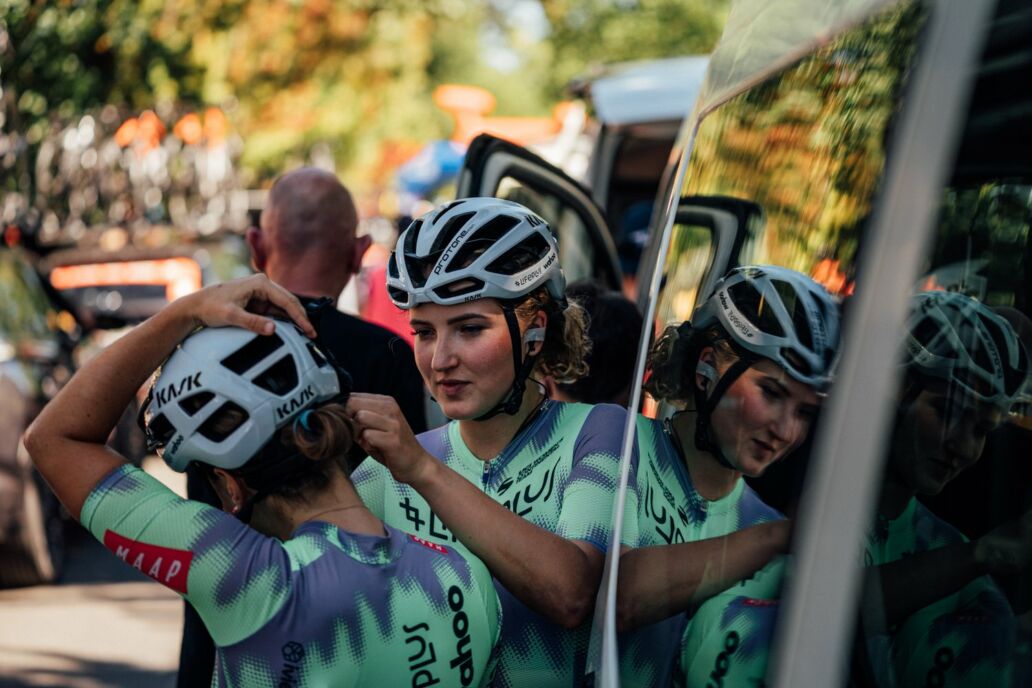
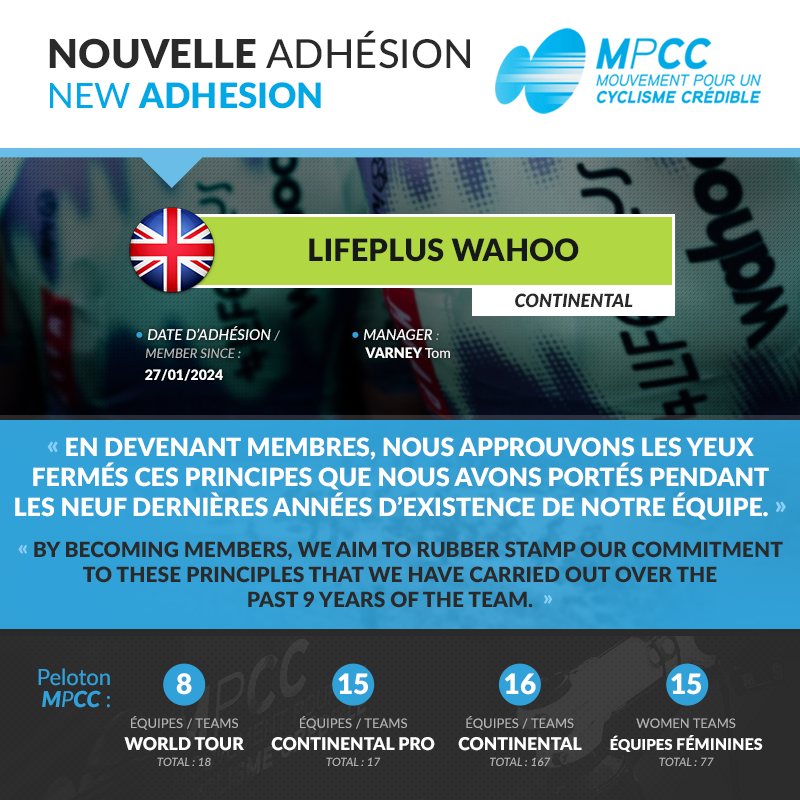
The MPCC is proud and delighted to announce the membership of a new team, Lifeplus Wahoo, from the Women's Continental level. The 11-strong squad includes Czech growing talent Kristyna Burlova (21) and the experienced Alicia Gonzalez, 3rd in the 2018 Morbihan Classic. 15 women's teams are now members of the MPCC (4 World Tour, 11 Continental).
“At Lifeplus Wahoo, we are eager to join the Movement For Credible Cycling and contribute to the promotion of integrity within the sport. Our team values align closely with the principles upheld by the MPCC, including a commitment to clean competition, athlete welfare, and ethical standards. By becoming members, we aim to rubber stamp our commitment to these principles that we have carried out over the past 9 years of the team, we wholeheartedly share the MPCC's ethical guidelines”, says the Co-Team Director Bob Varney.
Best wishes for 2024
MPCC President Roger Legeay and all the members of the movement wish you all the best for the New Year. In 2024, let's be even more involved in the fight against doping and the credibility of cycling.