
Vuelta a España : Improvement but not at any cost
The Vuelta a España, which set off on Saturday from Monaco, brings to a close four months of an intense and eventful sequence of stage races, which are extremely demanding both physically and mentally for the riders. These races are virtually a rite of passage for any rider hoping to build a successful and as long a career as possible. They are equally essential for the support staff – managers, sports directors, technical and office staff – who play a vital role in the running of their respective teams.
In a world of cycling that has been undergoing transformation for several decades – specialisation in training and pursuit of marginal gains, broadening and specialisation of roles within teams, the fight against doping – our sport is evolving at breakneck speed, whereas just a few years ago it might have been regarded as artisanal or even archaic. Those days are long gone. Just like the era that led to the scandals which undermined cycling’s credibility and to the foundation of the MPCC.
Our sport has evolved, but it must remain vigilant in the face of an unchecked drive for progress and performance. Our movement has repeatedly distinguished itself by adopting proactive measures against doping as the fight took shape worldwide. We have also played our part as whistleblowers when certain dubious practices began to become widespread within the cycling peloton. We continue to do so.
Nevertheless, this work cannot have a meaning unless those involved in cycling commit themselves and speak out for a responsible and vigilant cycling community, opposed to any form of misconduct in the pursuit of performance at any cost. The exploitation of ‘grey areas’ in the anti-doping fight could endanger not only the health of riders but also the work carried out by those involved in the anti-doping fight over so many years.
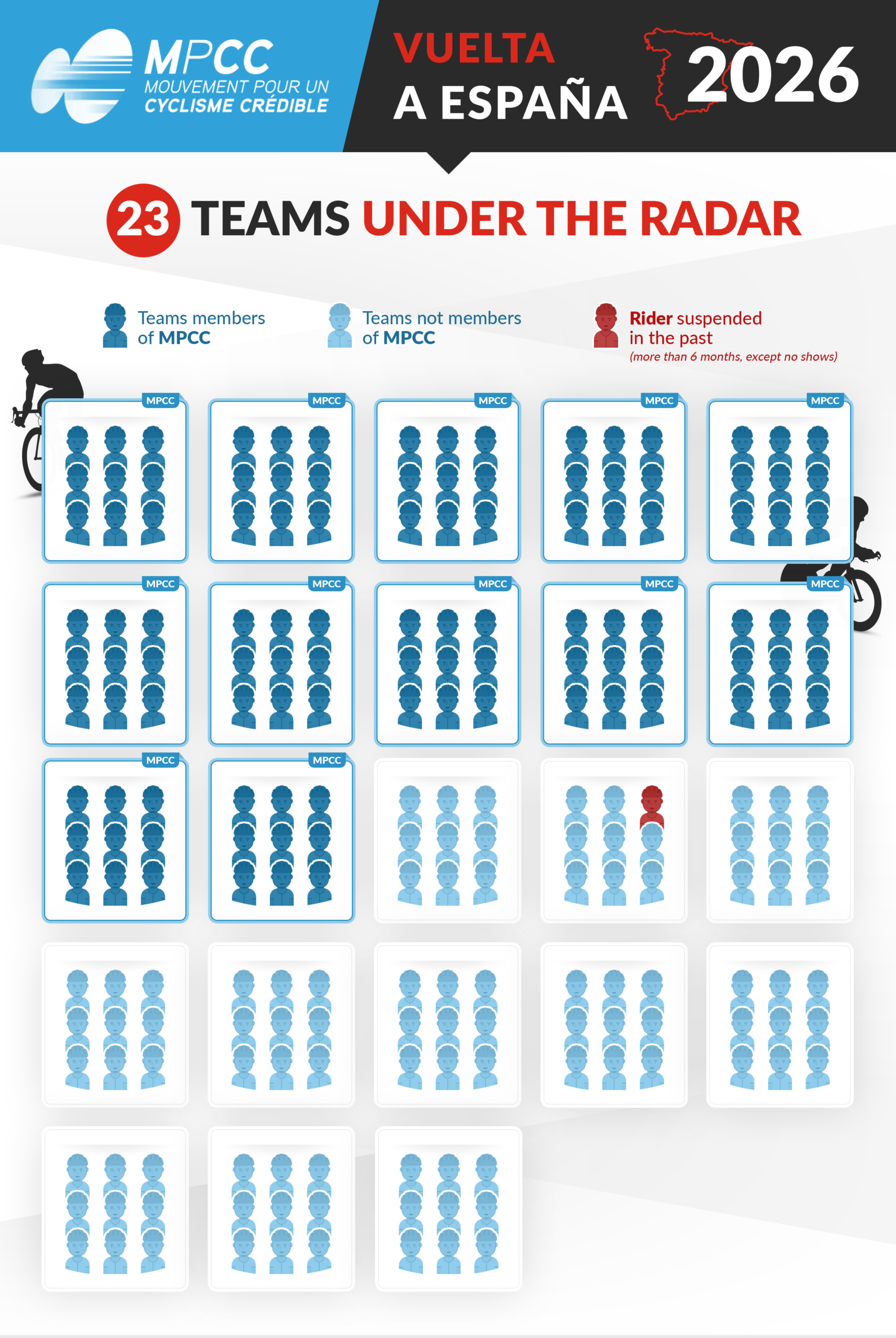
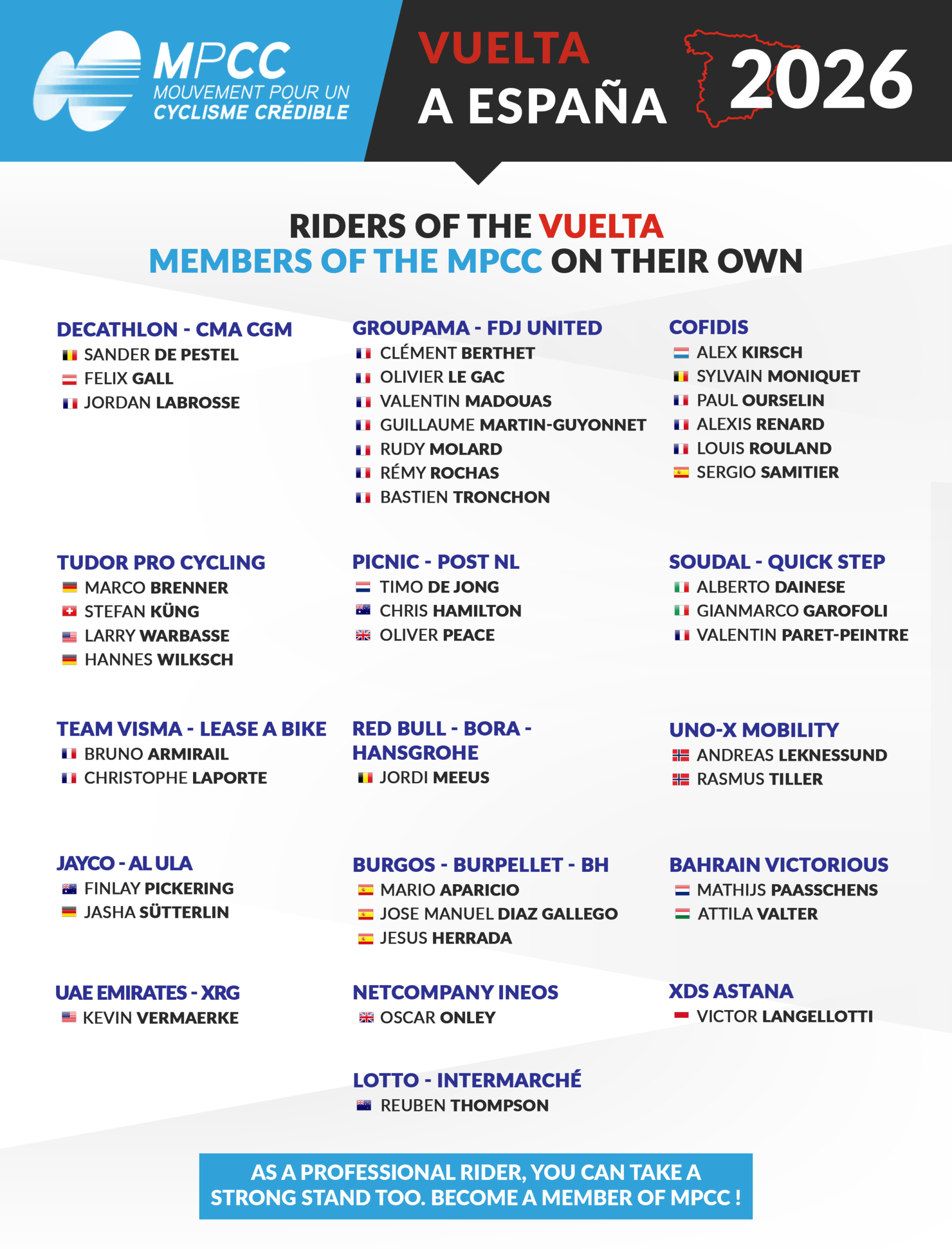 On the roads of the Vuelta a España, 42 riders are speaking out in favour of a fairer cycling sport as individual members of the MPCC. A quarter of them are under 25, a sign that the younger generations care about a credible cycling movement. These 42 riders represent 16 of the 23 teams taking part in the race, confirming that their commitment reflects their own convictions. Finally, the majority of the teams at the start of the Vuelta (12 out of 23) are also members of our movement.
 Faced with the challenges confronting modern cycling ; riders, team managers, staff members and race organisers can send a strong signal by committing to the MPCC. This will ensure our sport remains true to the course it has set for itself for years : taking a zero-tolerance approach to cheating and strengthening its credibility.
Commit to MPCC, join us !

Credibility Figures : transparency under scrutiny
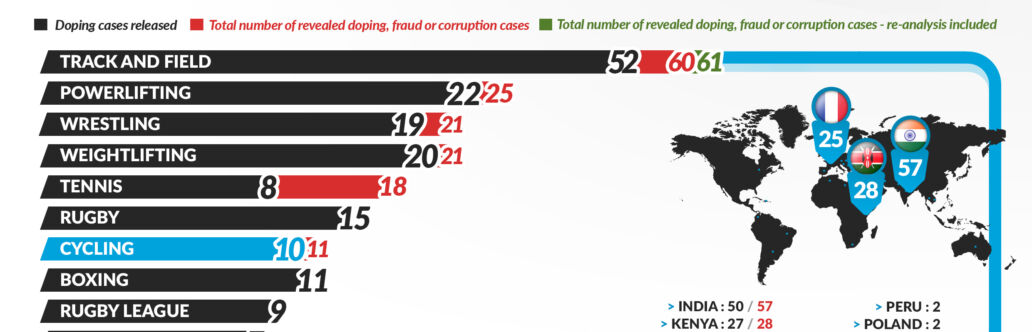
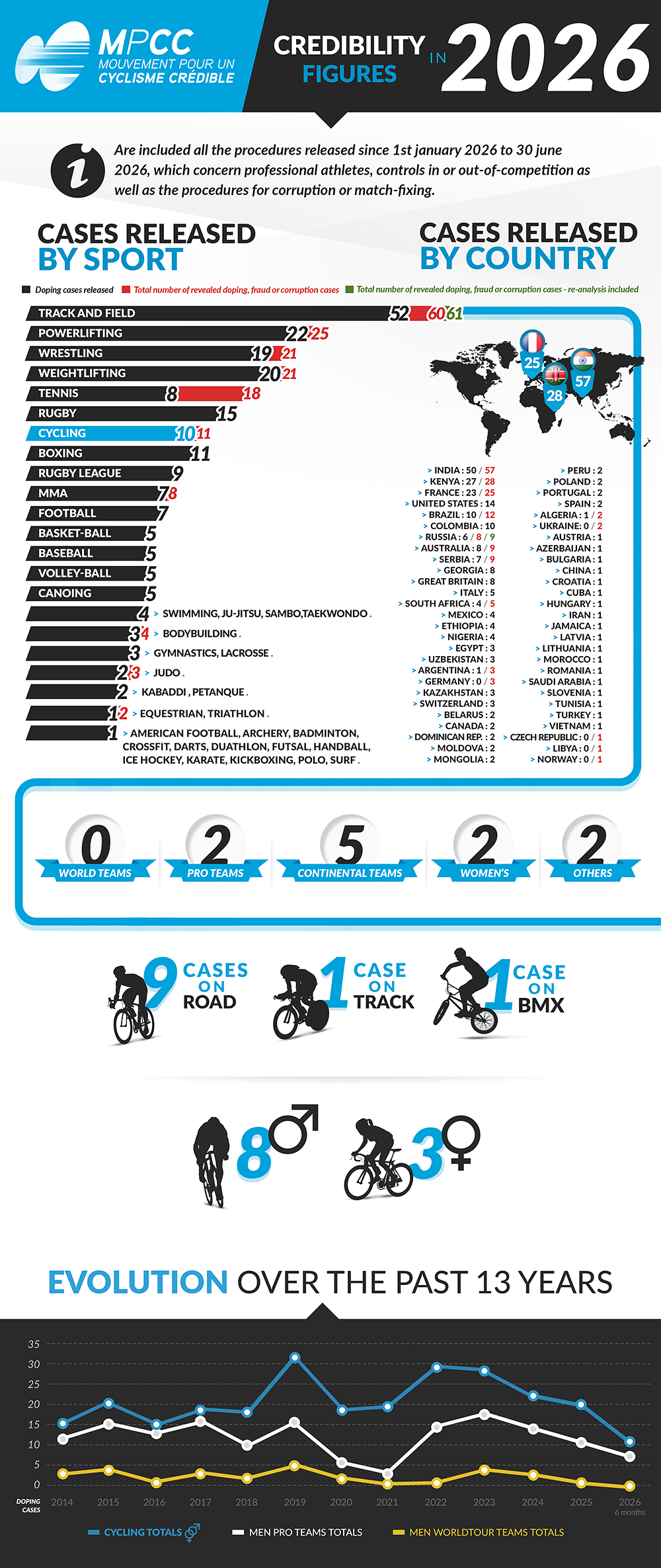
Following the first two quarters, the MPCC has recorded 11 cases of anti-doping rule violations amongst professional cyclists. The Credibility Figures, which monitors the sport’s credibility on a large scale, is also part of a broader approach in which transparency of information must be regarded as essential in the fight against doping.
The fight against doping is inextricably linked to sport, reinforcing its credibility amongst all those inspired by sport – from amateurs to professionals and spectators alike – forming an integral part of its identity. Sport conveys noble values such as fighting spirit, courage and tenacity, as well as camaraderie and sharing, uniting athletes around common values and beyond their differences. To protect sport from cheating and risky behaviour, international bodies have taken action over the years to ensure that the credibility of sport remains key.
When the MPCC was founded in 2007, its founding members sought to send a strong message in response to the delicate situation cycling found itself in: the Festina scandal, which undermined the credibility of cycling in 1998; a proliferation of doping cases, including Operacion Puerto in 2006; and sanctions that were not sufficiently dissuasive. Our movement has adopted a zero-tolerance approach to doping and is committed to the health of riders. It has subsequently sought to take a proactive stance by organising cortisol tests amongst its member teams, by acting as a whistleblower on the use of some substances – including Tramadol more than ten years ago – and by maintaining a cautious stance on some practices considered to fall within ‘grey areas’, bordering on doping.
FEWER CASES, LESS DOPING ?
The drive for respectability is also accompanied by a level of transparency, which is necessary to show the efforts made by those involved in cycling to tackle doping. The anti-doping community, led by the World Anti-Doping Agency (WADA), has done a great deal of work over the past twenty years, and we at the MPCC provide a snapshot of this through our Credibility Figures. These figures are not intended to be as comprehensive as possible, but they serve as an outlook of the fight against doping worldwide and of the sports that have chosen to take a stand against this scourge.
Following the first two quarters, national and international anti-doping agencies, as well as the press, have reported 280 cases of doping and/or sports fraud involving elite athletes, representing a significant drop of nearly 30 per cent compared with last year. This decline raises questions, as some countries have not opted for full transparency regarding sanctioned athletes, thereby calling into question the pact to which all stakeholders in sport – national and international federations, anti-doping agencies and accredited laboratories – are committed. At national level, India continues to raise questions by topping this list with 57 cases of doping and sports fraud, ahead of Kenya (28) and France (25).
CYCLING MUST REMAIN WARY
By sport, athletics remains at the forefront with 61 cases, including those of Kibiwott Kandie, former half-marathon world record holder, and Rita Jeptoo, two-time Boston Marathon winner. Powerlifting (25), wrestling and weightlifting (21) follow in this ranking. As for cycling, it ranks 7th with 11 cases recorded since the beginning of the year. The cases involving seven Continental riders and made public in 2026, confirming the trend described over several years in our previous reports, indicates that the third tier of world cycling remains the poor relation of the sport.
Furthermore, an other Pro Team-level rider was provisionally suspended during the second quarter, whilst cases had been particularly unusual at this level of competition for nearly four years. These figures indicate that we must remain wary despite all the initiatives taken by our sport’s stakeholders to ensure its credibility. At the MPCC, we would like to emphasise once again that, although the results of the fight against doping are satisfying, this does not mean that other practices or training methods are not on the verge of constituing doping. We therefore encourage as many stakeholders as possible – riders, teams, medical staff, amongst others – to show transparency and a willingness to educate when suspicion arises.
We need these values and virtues to strengthen the fight against cheating, and we will achieve this with the support of everyone involved in cycling: from riders to spectators lining the roadsides, including team managers, sponsors and race organisers. Let us be responsible and transparent to remain credible.
Tour de France Femmes : Open to all actors
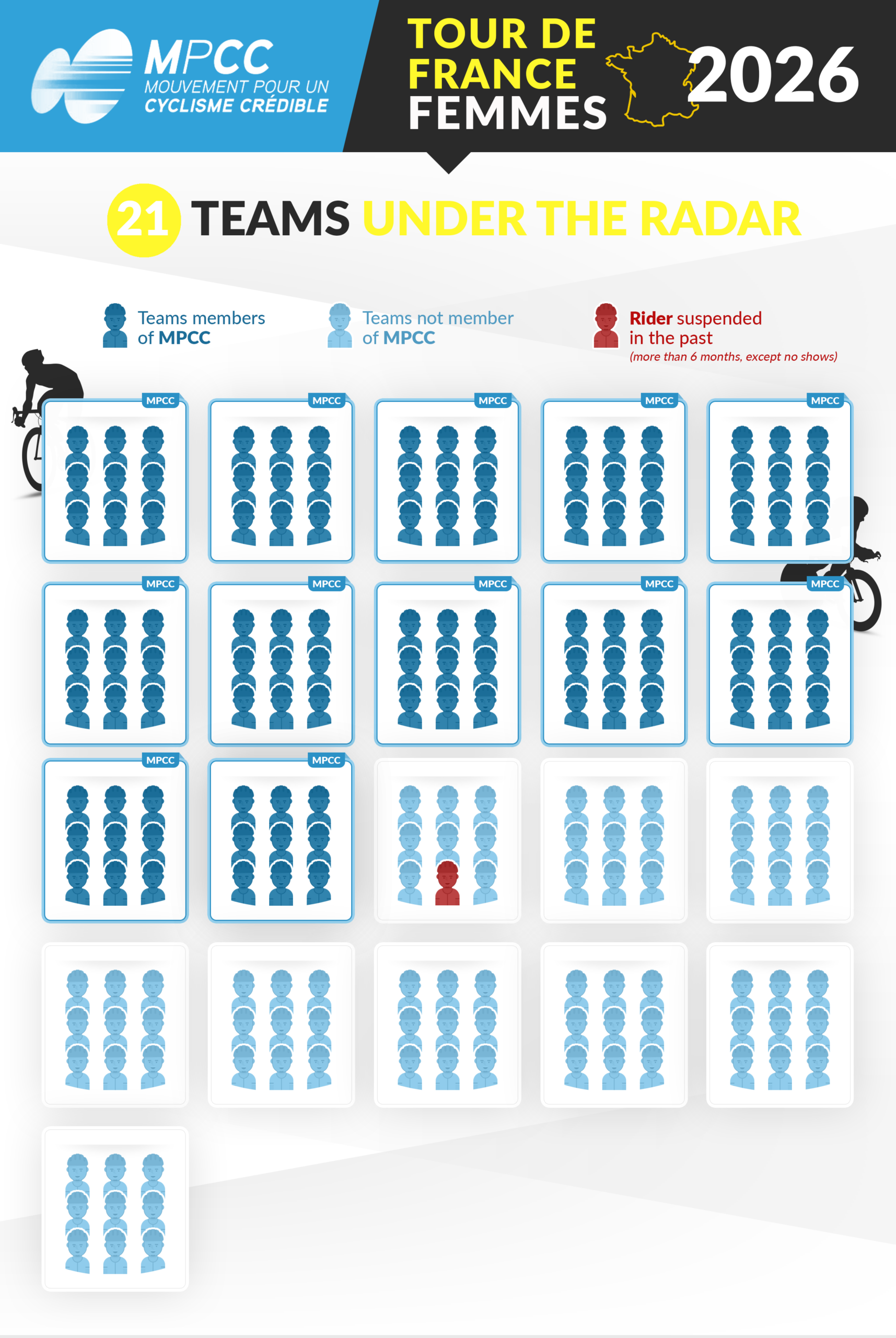
For its fifth edition, the Tour de France Femmes started with a field of 24 individual MPCC members. This is the highest number seen in a women’s Grand Tour over the past two years, reflecting the growing commitment of riders to the values of our movement, while also highlighting that there is still work to be done.
Committed to the credibility of cycling, the MPCC continues to encourage all stakeholders in the sport to take an active role in protecting cycling from doping, in whatever form it may take. Our movement acknowledges the progress made over the years but remains particularly vigilant towards this scourge, which increasingly extends beyond traditional doping to include the exploitation of "grey area"- practices, substances and methods that sit on the boundaries of current anti-doping regulations. While the men’s peloton is often at the centre of these discussions, women’s cycling should be equally protected as it continues to grow.
For years, the MPCC has advocated for the sustainable and responsible development of women’s cycling, so that athletes can grow and thrive in a healthy environment, free from pressure to seek performance advantages through medical or unethical practices. The level of competitiveness in women’s cycling has grown remarkably over the past decade, and it is essential that the appropriate safeguards continue to develop alongside the sport to help prevent future scandals.
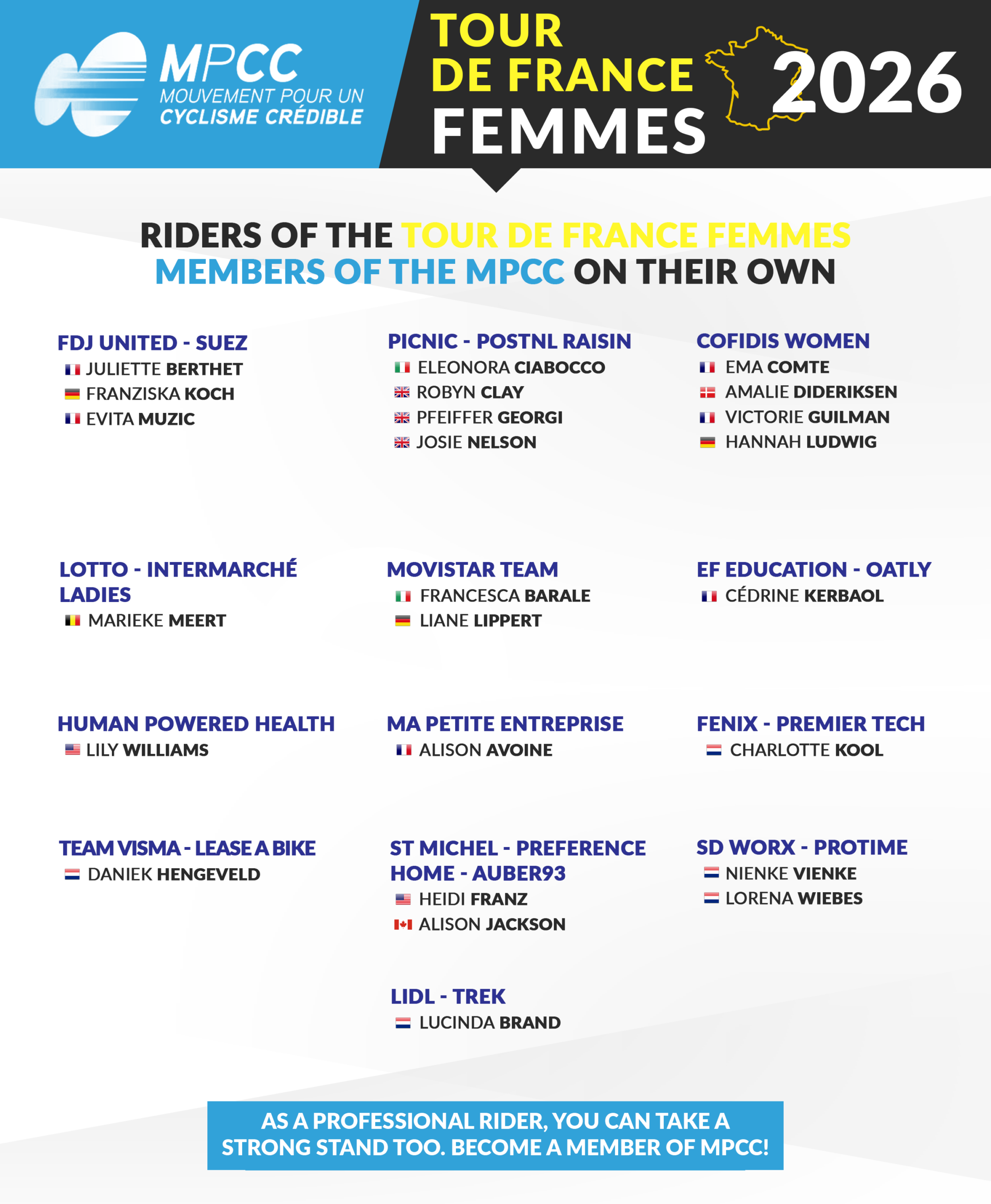
A significant - although still insufficient - proportion of the 147 riders who started the Tour de France Femmes have made a clear choice to fight doping by joining the MPCC. The 24 individual MPCC members competing in this year's race represent the highest number seen in a women's Grand Tour over the last two seasons. Among them are many well-known riders who, through their commitment, help strengthen the credibility of women's cycling.
At the same time, we would encourage even more riders to join our movement, including those whose contribution is often less visible, such as domestiques and road captains. Every rider has an important role to play in promoting a culture of clean and credible sport.
Twelve of the 21 participating teams - more than half of the peloton - are also MPCC member teams. Every voice therefore counts in ensuring that the future of cycling remains grounded in the values that underpin our sport.
 The recent membership of the Continental team Sistecrédito, which supports the development of both young female and male riders, is another positive example of the inclusive approach promoted by the MPCC. Our movement remains open to all stakeholders who share our commitment to protecting the credibility and future of cycling.
Commit to MPCC, join us !
Tour de France : Taking responsability
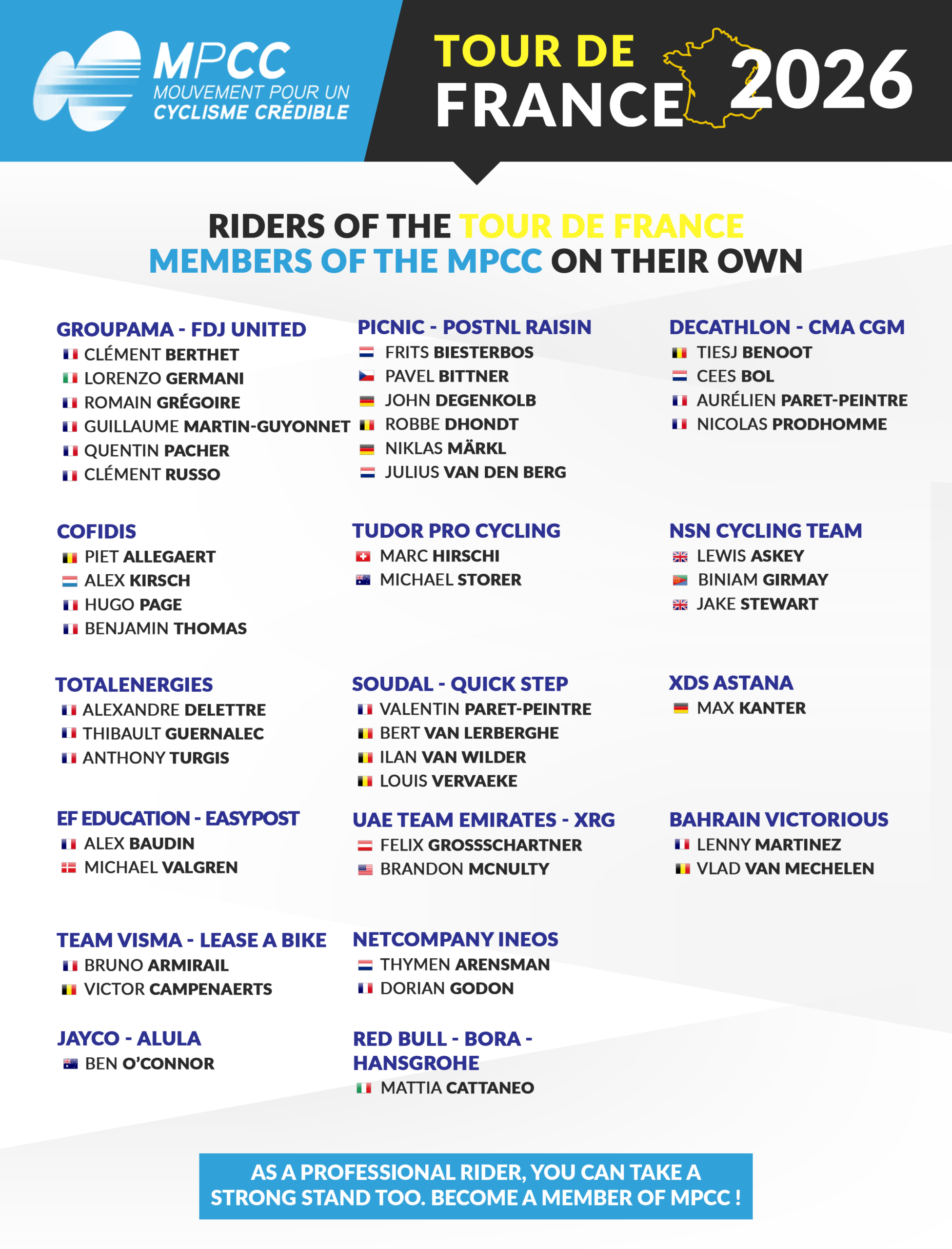
For its 113th edition, the Tour de France will feature 45 individual members of the MPCC at the start, representing around a quarter of its participants, committed to the fight against doping. That said, our movement also wishes to encourage discussion around the second chances being granted with increasing frequency to certain riders who have previously served doping sanctions.
The most eagerly awaited event of the season has finally arrived. The Tour de France is the great celebration of our sport and its main showcase. For three weeks, the best athletes in the world of cycling will compete in what promises to be a spectacular and intense race. However, the sporting and cultural appeal of the Tour must not divert attention from what the MPCC has firmly championed since its foundation: the fight against doping.
By encouraging all stakeholders in cycling to take an active role in tackling this scourge, the MPCC brings together riders – the key protagonists of our sport – as well as teams, sponsors, support staff, race organisers, federations and fans, who line the roads and inspire our champions to excel. Among the youngest spectators, there is undoubtedly a future cycling enthusiast who shares the MPCC's values.
As such, 45 riders, representing 15 countries, will line up at the start of this 113th Grande Boucle as members of our movement. This is an opportunity to reiterate that involvement in the MPCC has always been voluntary, reflecting the desire of riders, teams and support staff to publicly commit to the values that underpin our movement. We hope that even more riders will choose to take this step in the future, recognising the responsibility we all share to protect our sport.
The MPCC believes that everyone deserves the opportunity to rebuild their career after serving a sanction. However, second chances should also be accompanied by responsibility, transparency and sufficient time to rebuild trust. This principle is reflected in one of our ten cardinal rules, under which member teams commit not to sign a rider who has been suspended for more than six months for doping until at least two years have passed after the end of their suspension.
Against this background, we note that four riders will start this year's Tour de France having previously served doping bans of more than six months. None of these riders are individual members of the MPCC, nor do they ride for MPCC member teams. For two of them, their suspension ended within the last three years, highlighting that different parts of our sport continue to take different approaches to rehabilitation and responsibility.
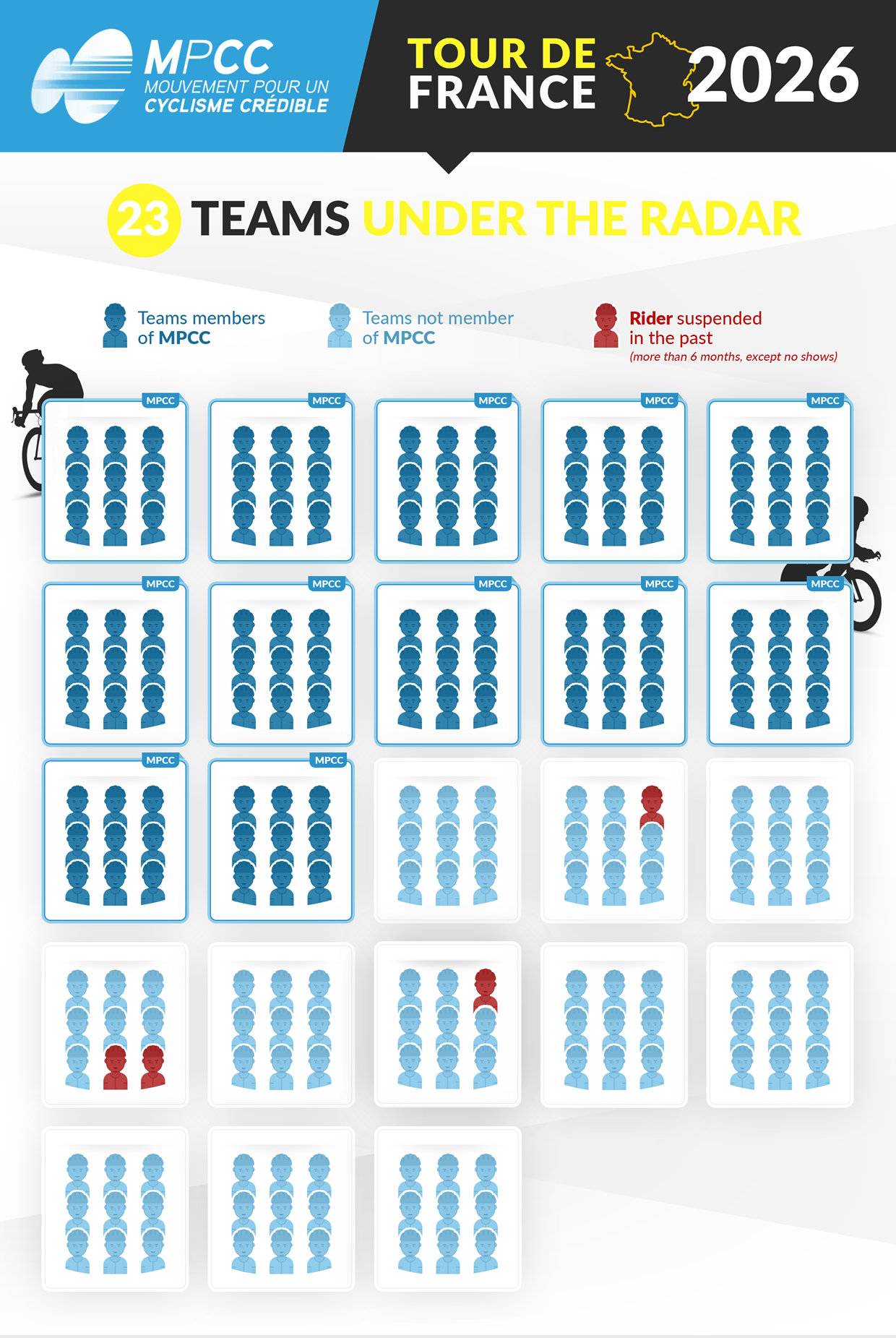
As for the teams, 12 of the 23 squads which lined up in Barcelona on Saturday are members of the MPCC: seven WorldTeams and five ProTeams, including the three teams invited by ASO, the Tour's organiser, which is itself a member of our movement.
We therefore encourage all stakeholders in cycling who have not yet chosen to make a clear commitment against doping and ethically questionable practices, including the exploitation of "grey areas", to join us. By working together, we can continue to strengthen the credibility of our sport and help ensure a fair and healthy future for cycling.
Credibility Figures : The fight goes on
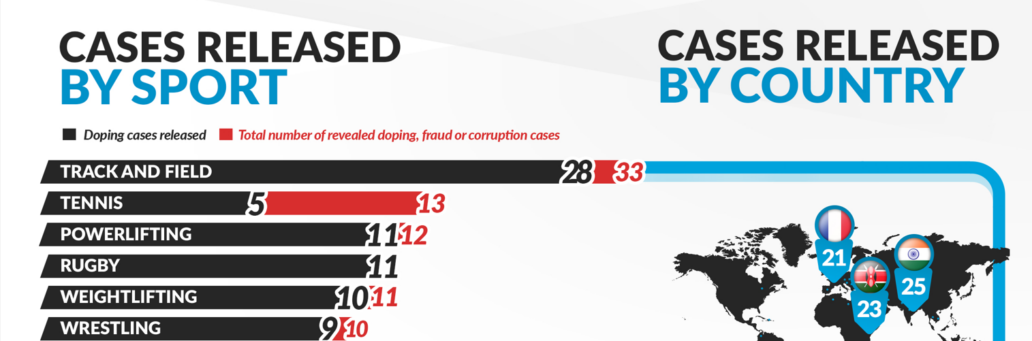
Following a particularly eventful year 2025 on the anti-doping front, 2026 has begun in relative calm. Nearly 170 cases of doping and sports fraud were uncovered across more than 30 sports during the first quarter of the year; only five were in cycling. Despite these figures, the fight against cheating remains a pressing issue.
For several seasons now, the number of doping cases involving World Tour riders has been in steady decline: 4 in 2019, 4 in 2023, and just 1 in 2025, according to the latest figures published in the Credibility Figures. Thus, in the first quarter of the year, only five professional cyclists tested positive or were suspended for breaching anti-doping rules.
- 1 rider from a Pro Team who tested positive out of competition
- 2 riders competing at Continental level who were caught out by their biological passport
- 1 female rider competing at Continental level
- 1 athlete sanctioned for breaching whereabouts rules
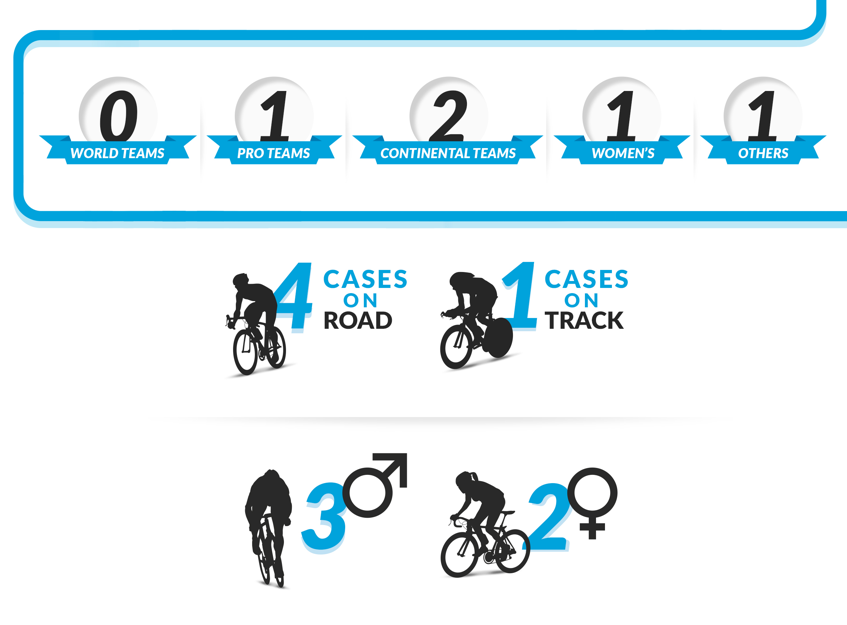
These figures are consistent with the trend noted over the past several years, namely between 20 and 30 cases of doping and/or sports fraud per year. Whilst the majority of cases recorded in the Credibility Figures involve Continental-level riders, the rider of the Pro Team serves as a reminder that cheating might not have vanished at the top level of cycling. At the end of the first quarter of 2026, cycling was also the ninth most frequently quoted sport in doping and sports fraud cases, far behind athletics (33), tennis (13) and powerlifting (12).
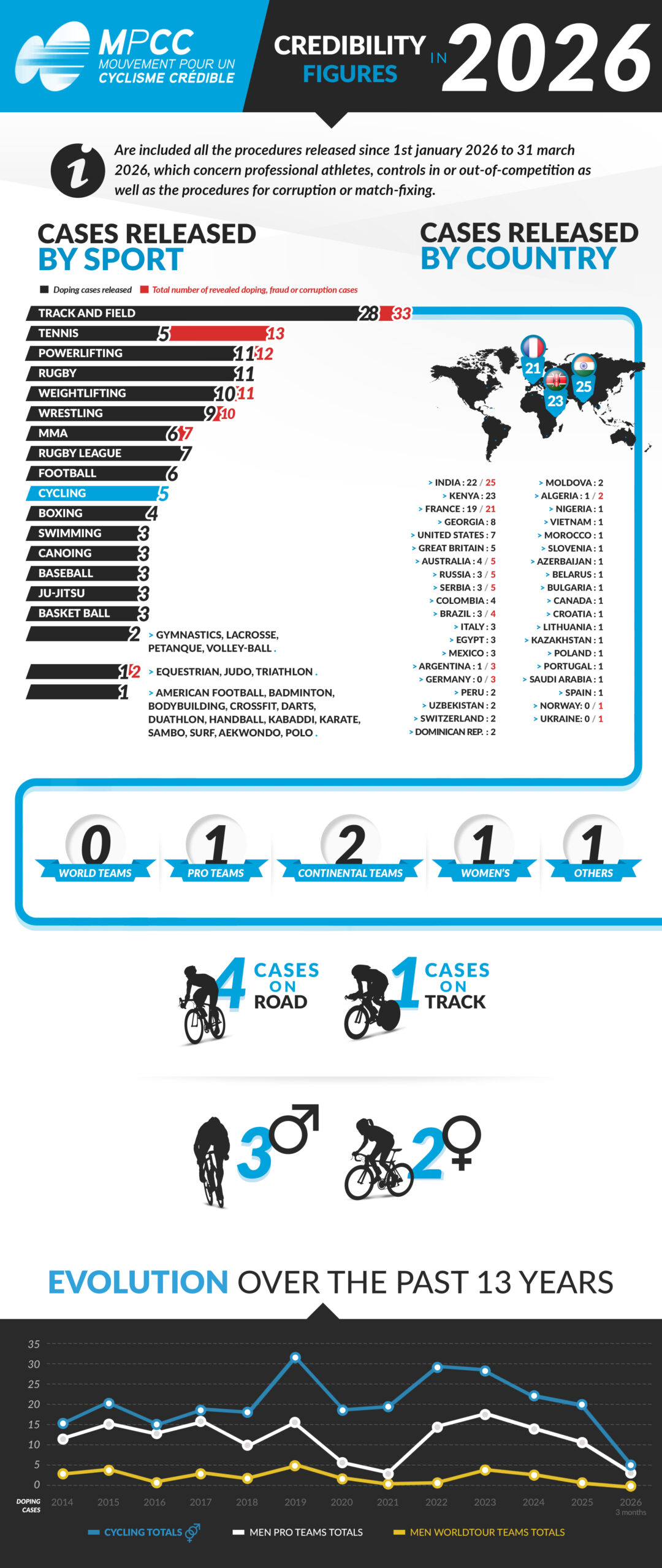 But behind these figures stand several realities. Admittedly, the biological passport, which has been mandatory for all professional teams for nearly 20 years, has proven its effectiveness, having recently helped to uncover the latest doping case in the elite of our sport (pending a final decision regarding the rider in question). Growing budgets have enabled the hiring of increasingly qualified technical staff to monitor athletes’ performance, improvements in training methods, from the study of riders’ biomechanics by specialist staff to tailored, even personalised nutrition for each rider, and the reduction in the number of race days per rider have made it possible to better support and maintain athletes’ health in the short and medium term. It is crucial that while we have seen some steps forward, we must continue to evolve and improve our anti-doping systems to make them more robust and more advanced than those who are willing to cheat.
GREY AREAS IN QUESTION
These technical—not to say scientific—advancements bear witness to the ever-increasing professionalisation of our sport, and perhaps mark the end of so-called “old-school” cycling, which was inward-looking and reliant on training methods inherited from decades of empirical practices. Whilst cycling has chosen the path of progress, it must not do so at any cost. Because other realities have come to light over the past decade and have been the reason for the MPCC’s uncompromising and unyielding stance on doping practices : the over-medicalisation in some teams (notably the use of painkillers such as Tramadol, which is now banned in competition), the use of substances that enhance performance or recovery, such as ketones, and the health effects of which are far from having been scientifically validated, and the use of performance-enhancing methods considered to be ‘grey areas’ (inhalation of carbon monoxide in altitude training camps, hypoxia masks), which border on doping. It is crucial that the major stakeholders of the sport develop clear boundaries on what this so-called grey area is, to protect the health of athletes who do not wish to put their health at risk in taking medicines intended to treat sick people, with a view to increasing their performance.
COMMITMENT FROM RIDERS
The efforts made by those involved in cycling following the various scandals that have marred the sport’s history have been immense. Team managers, riders, race organisers, governing bodies and sponsors, in particular, have been actively working to eradicate doping and to put an end to a kind of ‘culture’ that has gone unpunished for far too long. The results are there, but caution must remain the order of the day in the face of the fast changes that have been taking place over the last few years. The credibility of riders and their team managers must be at the heart of our concerns, as it is this credibility that has enabled the restoration of cycling’s image, its development and its expansion, particularly into women’s cycling.
With nearly 400 professional riders signed up as individual members, the MPCC has a broad base of support for its values. But its members can do more by spreading these values to as many stakeholders as possible – whether they are non-member teammates or fellow riders – and by speaking out publicly on issues of physical and mental health. Faced with rapid changes in professional cycling, the new generations of riders also have a role to play as they represent the future. They are therefore strongly encouraged to join our movement to remain at the forefront of credible cycling.
Commit to MPCC, join us
Be players in the fight against doping !
Giro d'Italia : A call for the youngsters !
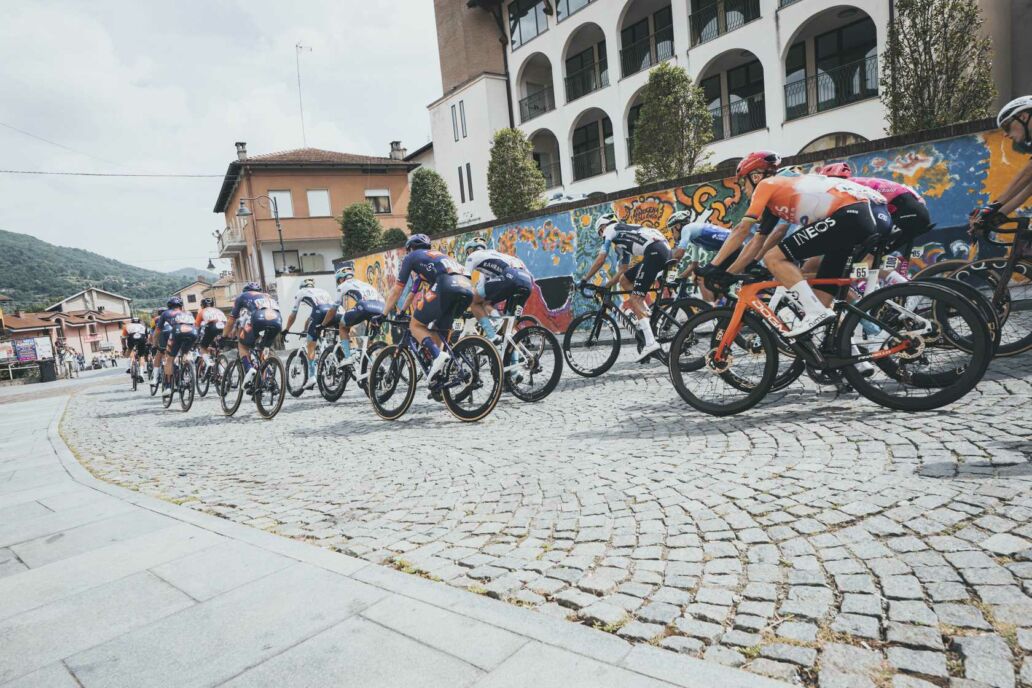
First Grand Tour of the season, the Giro d’Italia is back to its geographical boundaries after spending the first three days in Bulgaria. With 20% of the Giro peloton being individual members of the MPCC, our movement is calling on young riders to take a stand against doping and « grey area » practices.
In 2007, the MPCC was founded to raise awareness amongst those involved in cycling of the devastations caused by doping : on riders’ health, the viability of professional teams – whose fragility remains a concern in 2026 – and, beyond that, on the very credibility of the sport. Our movement has set itself the guiding principle of being open to all, allowing people to share our values on a voluntary basis.
Since 2018, numerous riders, staff members, sponsors and race organisers have joined us, approving our belief that unity is strength when it comes to fighting cheating and giving cycling a more solid foundation. At the start of this 109th Giro d’Italia, the first of the season’s three Grand Tours, 38 of the 184 riders in the starting line-up set off as individual members of the MPCC. These athletes are spread across 20 of the 23 teams at the start of the race, a sign that membership is voluntary and not imposed by employers, reflecting the sole rider’s commitment to the credibility of cycling.
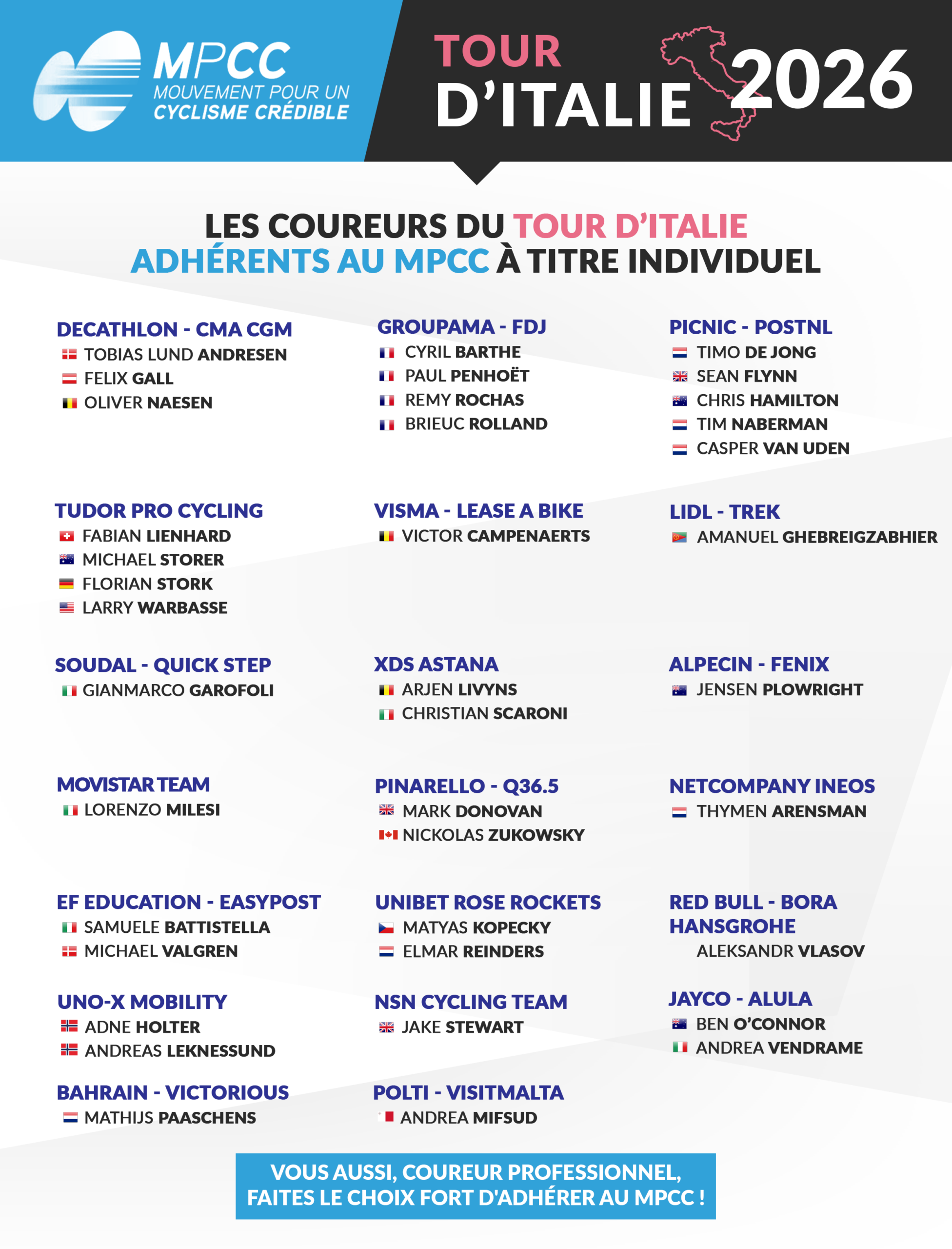
Nevertheless, following an all-time high set in 2024 with 53 riders, the number of MPCC members at the start of a Giro d’Italia has dropped significantly, with only 43 taking part in 2025. At the same time, 7 of the 18 World Tour teams and 4 of the 5 invited Pro Teams are MPCC-certified. Our movement therefore hopes that other riders, led by a sense of responsibility, will do their bit, particularly the younger ones. The average age of MPCC starters is 28.1 years (the same as the average of all participants) and we also encourage the youngest among them, who make up nearly a quarter of the Giro peloton, to get involved.
They are the first to witness the changes taking place in our sport. Protecting them from risky practices means safeguarding their future and that of cycling. Let them therefore play an active role in the fight !
Vuelta Femenina : Still room for improvement
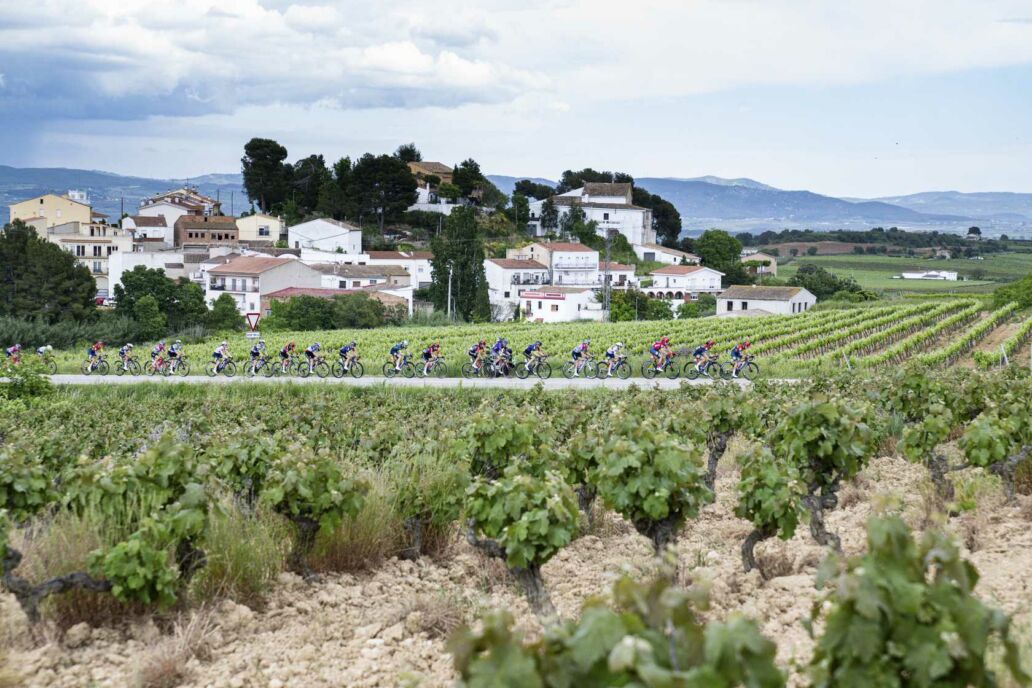
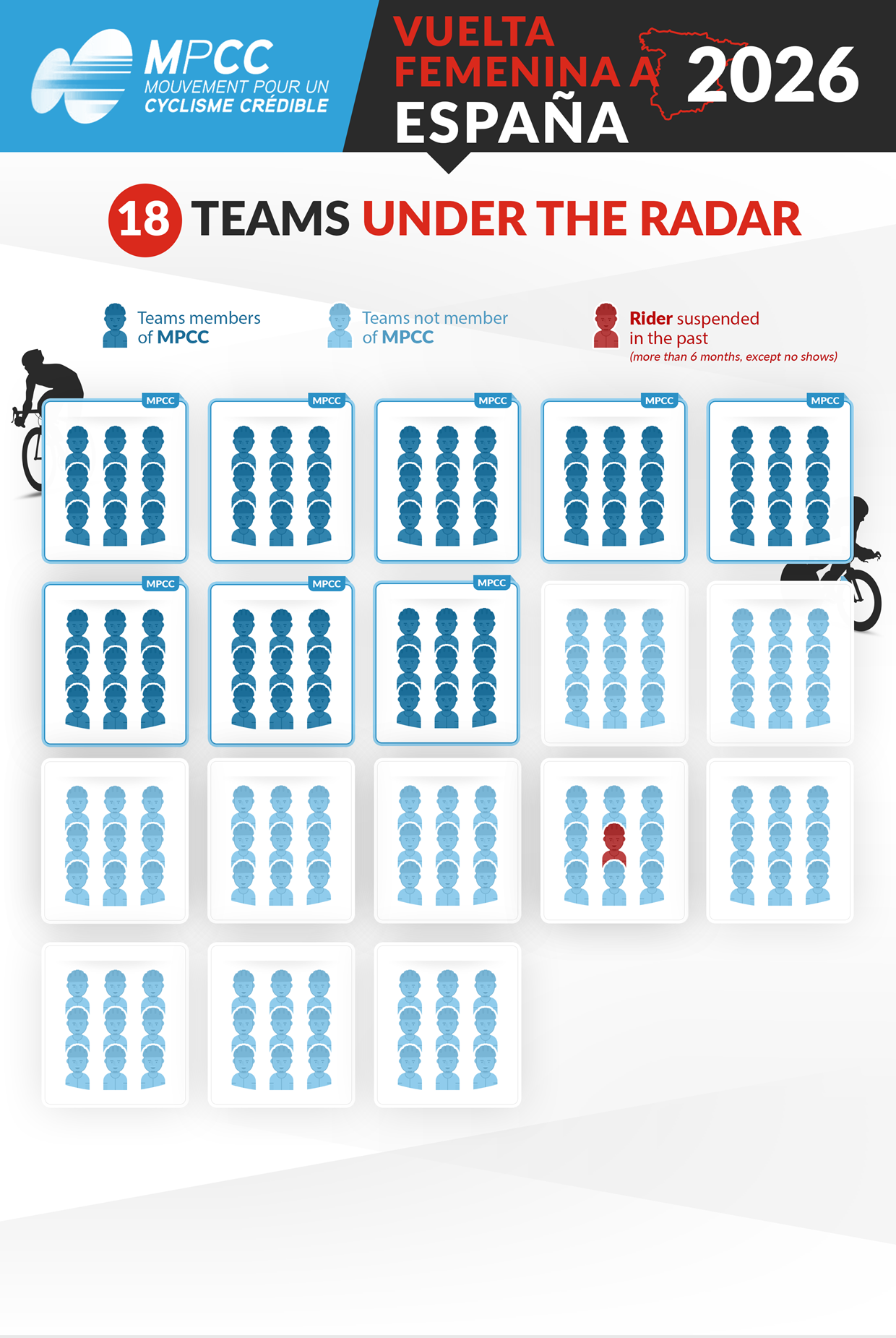
Following the classics season, the stage race season kicked off on Sunday with the start of the 12th Vuelta Femenina a España, from the coast of Galicia. 126 riders representing 18 teams and 30 different nationalities set out to tackle 7 stages and 819.5 kilometers of racing.
A sign of the growing popularity and respect for women’s cycling, the famous Angliru climb, with its steep gradients, will be on the program. While at the top of the pyramid, women cycling seems to be going well, there is still a long way to go to consolidate the benefits made in previous years for female athletes : increased TV coverage over the past five to ten years, a minimum wage for female riders in both professional divisions, and paid maternity leave.
And like their male counterparts, women’s teams are fighting to ensure their survival year after year, but this rapid growth must be supported by solid foundations, particularly at the lower levels of competition. This is a message the MPCC has been advocating for several years. Thus, 8 of the 18 teams competing in the Vuelta are committed to our cause, as are 14 of the 126 riders who started the race.
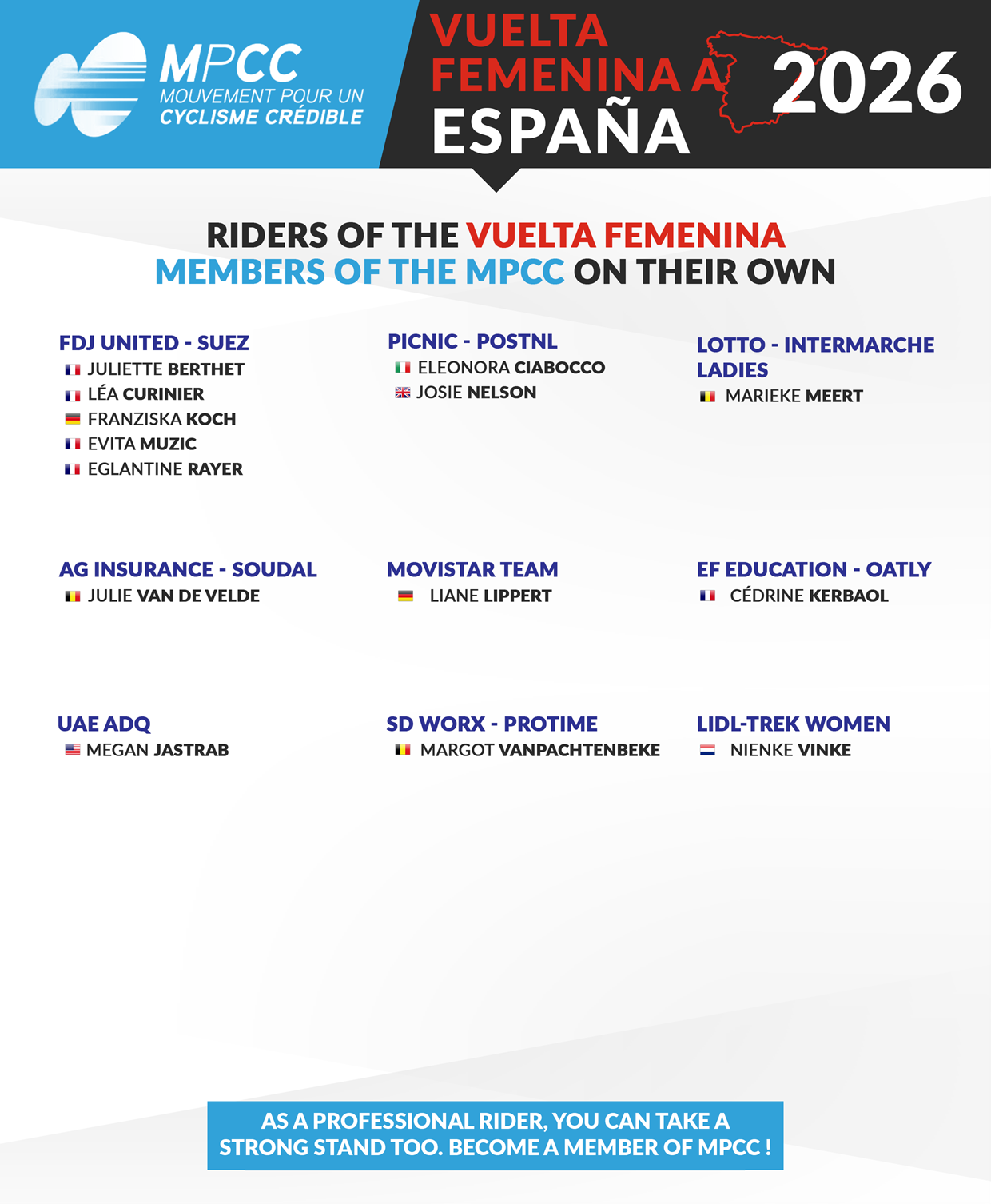 This is still too few to carry the voice of women’s cycling that is aware of the challenges it faces : its organization, its structure, and a stance that remains as uncompromising as ever against doping. For all these reasons, we enthrust teams and riders who are not yet members of our movement to join us in taking on the many challenges ahead.
Credibility figures : strengthening the fight against doping
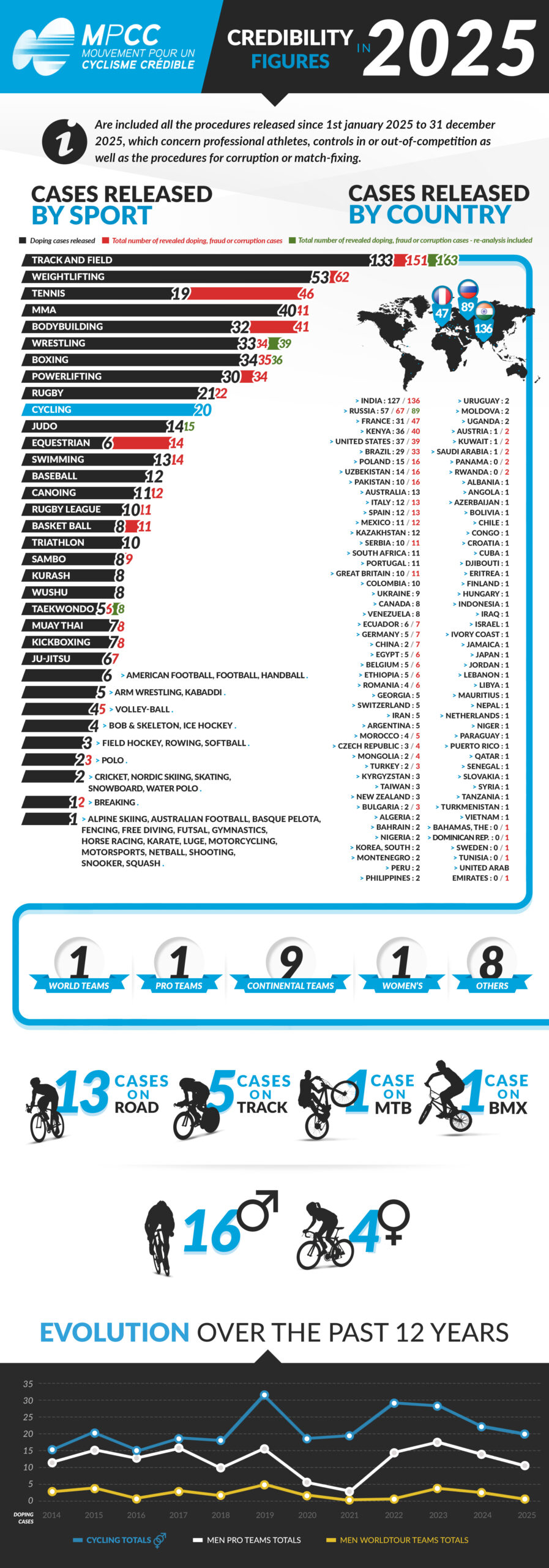
At the end of 2025, the MPCC noted a slight decrease in the number of doping cases in professional cycling. This assessment shows that our sport is far from being among the most affected disciplines, but it must remain particularly cautious. Cycling must both question the significant development of certain medical practices known as « grey areas » among the elite and tackle « traditional » doping, particularly at Continental level.
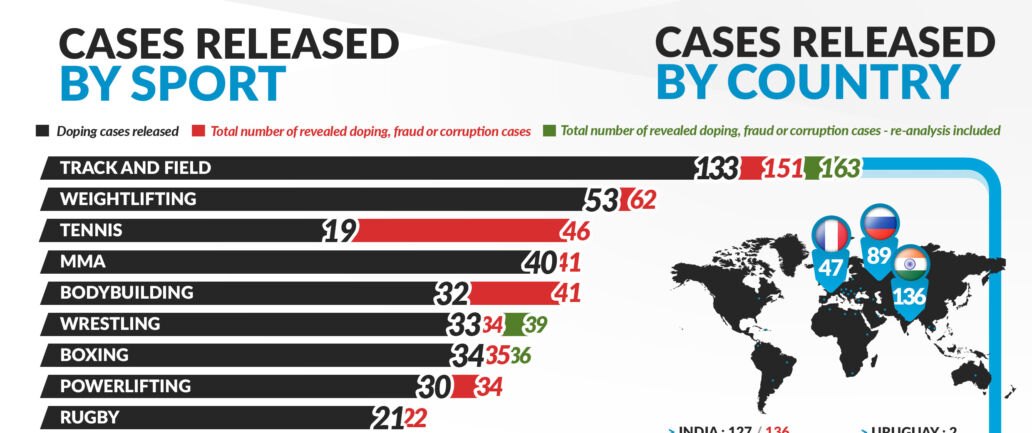
Providing an overview of the fight against doping around the world and in most sports, the Credibility Figures offer a snapshot in which cycling appears to be a model student after having been considered a weak link for many years. Over the course of 2025, 20 cases of doping were recorded among professional cyclists. This figure indicates that the number of cases revealed has been on a downward trend since 2022, when 29 cases were made public.
Cycling was only the tenth most quoted sport in doping and sports fraud cases last year, far behind athletics (163 cases), weightlifting (63) and tennis (46, including 27 for sports fraud). Athletics remains at the top of this list, despite allocating significant resources to tracking down cheating. The presence of MMA in fourth place, as mentioned in our previous publications, will be also something to watch out for in the coming years. Caution is also advised for our sport, as for the first time in two years, a World Tour rider has been suspended. This rider, who is not a member of our movement and rides for a team that is also not registered with the MPCC, was caught out by his biological passport, one of the cornerstones of the fight against doping.
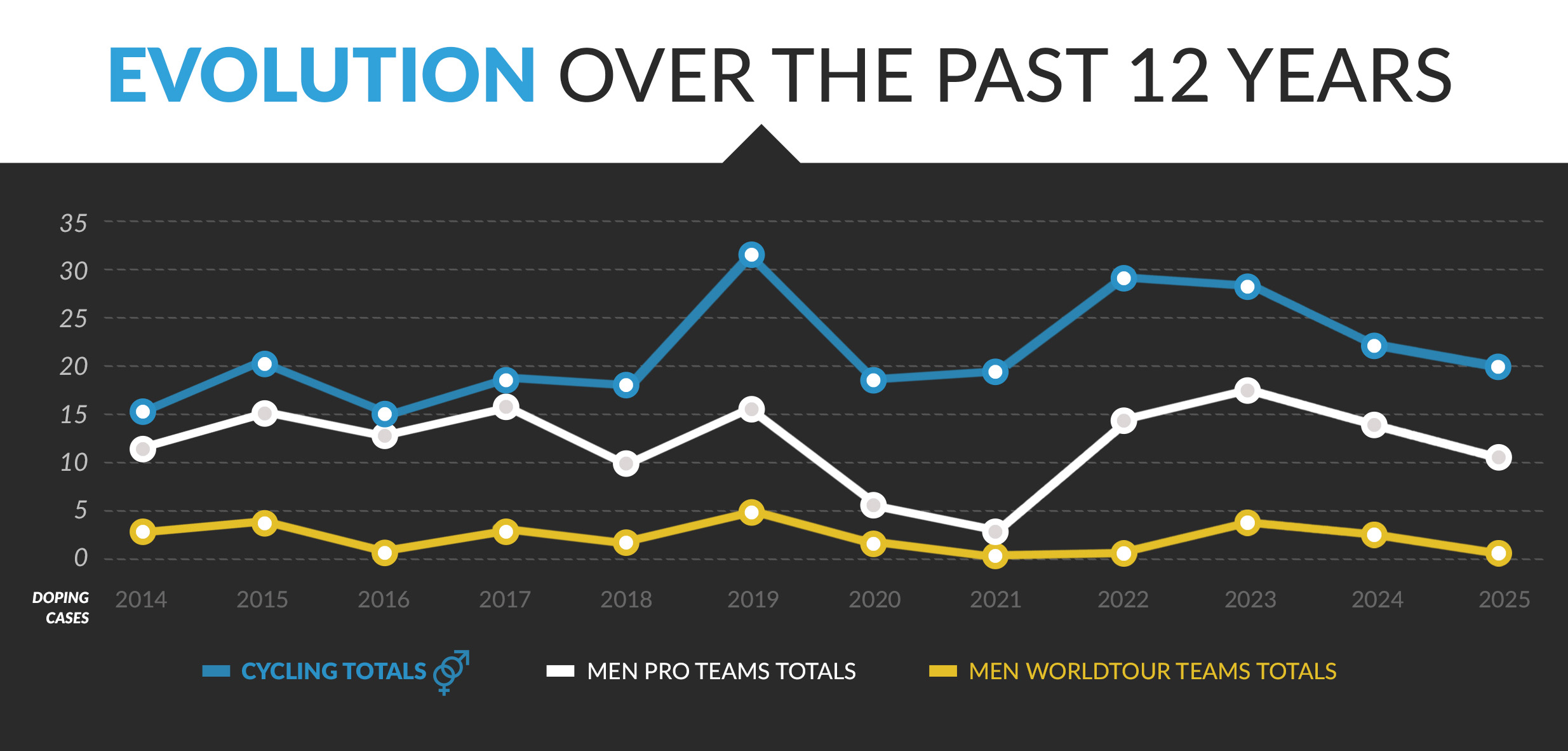
Although relatively few World Tour riders have tested positive in recent years, this does not mean that the elite of our sport is 100% clean. The MPCC has always sought to question the effectiveness of anti-doping efforts, even when progress was being made. Our position is further reinforced when many teams play with the « grey areas » and increase the medicalisation of our sport. A dozen years ago, Tramadol, which we fought against, was considered a « grey area » because it alleviated riders' pain. This substance was eventually banned, for the good of our sport and the health of the riders.
Soon, our movement took a stance on the use of certain substances in the peloton, such as ketones, and was highly critical of certain practices, including the widespread use of painkillers, which potentially endanger the mental health of riders. The MPCC's actions have yielded results, with tramadol being added to the list of substances banned by the World Anti-Doping Agency (WADA) and the repeated inhalation of carbon monoxide being banned over a year ago. The UCI first banned this practice in February 2025 before the WADA responded by extending this rule to all sports from 2026 onwards.
WHAT ACTIONS FOR AMATEUR LEVEL ?
Of the 20 cases recorded in professional cycling, 9 were at Continental level, the equivalent of the world's third division. The MPCC therefore invites those involved in cycling to question the antidoping policy at a lower level, as several dozen cases were recorded at amateur level in 2025. For example, 25 riders were serving bans or have been provisionally suspended by the Colombian anti-doping agency in mid-December 2025, more than half of whom compete in amateur and/or semi-professional structures.
Ensuring clean cycling at the professional level also means ensuring that it remains clean at its roots. Our sport cannot afford to be careless when it comes to the scourge of doping, within the structures that form the basis of our competitive practice, particularly with regard to its youngest athletes, who are being recruited at an increasingly early age and are better and better prepared for the demands of professionalism, particularly in terms of technique and nutrition. From the bottom to the top of our sport, all stakeholders in cycling must be involved in the fight against doping. And the MPCC is one of these stakeholders.
BROADENING THE BORDERS OF CREDIBLE CYCLING
These practices are not only contrary to fair sport, but can also be dangerous to the physical and mental health of riders, who are the main protagonists in races. The MPCC not only takes a stand in the fight against doping, which is an ongoing battle, but also wishes to broaden the issue of ‘credible cycling’ to include riders health, support for the fast growth of women's cycling, the safety in races, etc.
These additional issues also highlight what kind of actions we should take to maintain responsible cycling, between the budgets allocated to the ITA, the main agency in charge of anti-doping controls in professional races; the promotion of safety measures among riders, teams and race organisers; and the financial participation of those involved in cycling. All these realities reinforce the MPCC in its positions and actions. We therefore encourage those who are not yet members of our movement – riders, teams, team staff, race organisers and national federations – to join us.
Women's World Tour wild cards & MPCC memberships : some kind of status quo
At the end of the 2025 season, 61% of the wild card in Women's World Tour races were granted to MPCC team members. This figure, which is slightly down on 2024, hides some inconsistencies between organizers, a proof that women's cycling is still developing.
A year ago, the MPCC drew up the situation considering the invitations granted by the organizers of the Women's World Tour races. In 2024, nearly two-thirds of these wild cards were given to members of our movement. But at the end of the 2025 season, this figure fell slightly to 61%, while the organisation of women's cycling evolved with the creation of a Pro Team level, set between the elite, the Women’s World Tour, and the traditional Continental level.
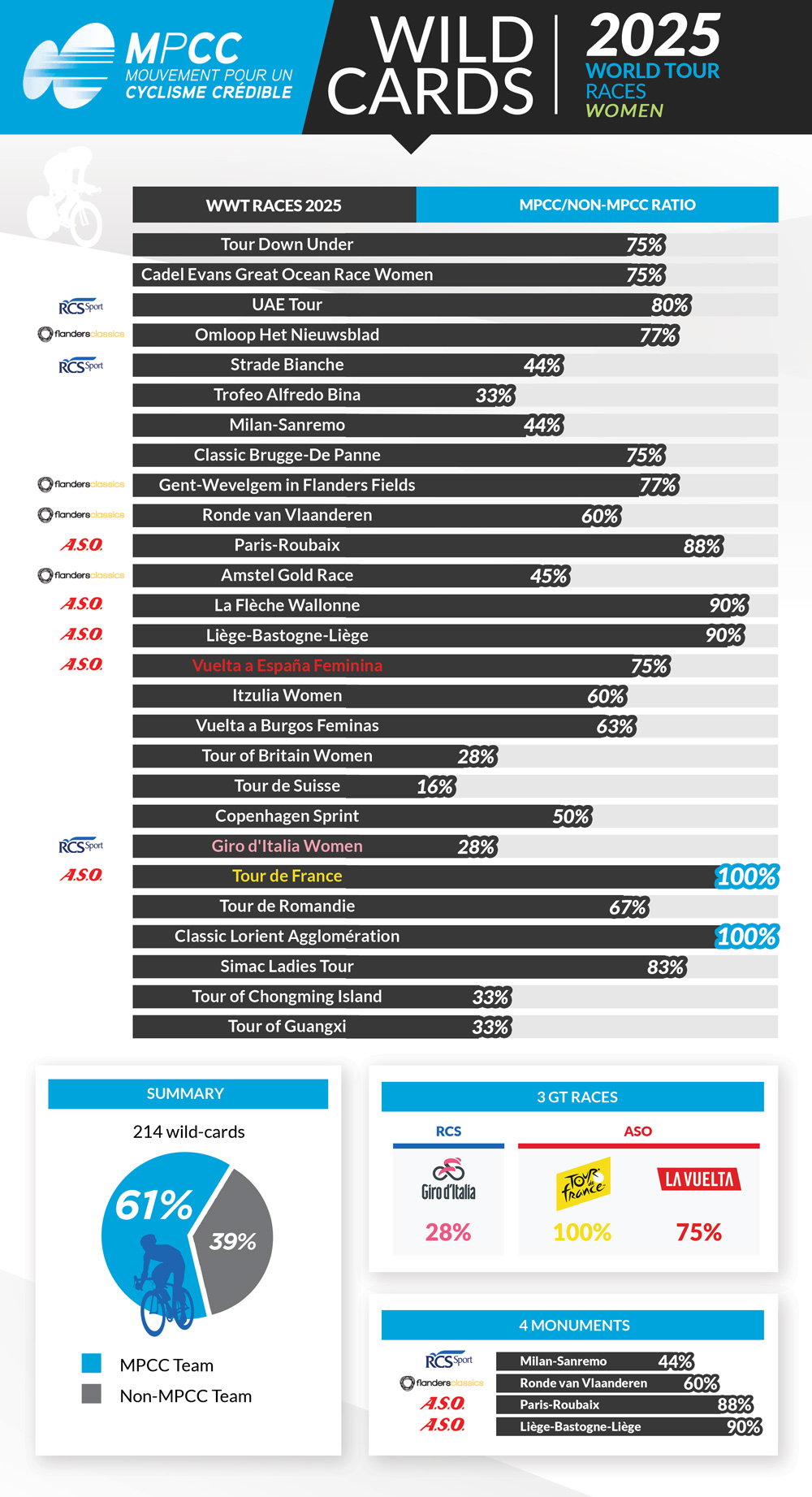
Seven teams were registered in this new level of competition and were all team members of the MPCC, which in theory guaranteed a significant proportion of MPCC teams among the invitees. However, there were significant disparities between races, with some inviting only one or two teams labelled as « MPCC teams ». This can be explained by the fact that the UCI capped the wild cards in Women's World Tour races to the two best Pro Teams from the previous season. In addition, in 2025 there were only three MPCC team members at Continental level, leaving the organisers free to invite the teams they want. For example, the two Chinese World Tour races (Tour of Chongming Island and Tour of Guangxi) featured only 5 elite teams out of a maximum of 15, and invited 12 other teams at their own discretion, only 2 of which were Pro Teams and so MPCC members.
These differences show that the Women's World Tour circuit is still looking for maturity and seeking balance within. Although it was founded by and around men's teams nearly two decades ago, the MPCC has constantly encouraged those involved in women's cycling to commit to credible cycling, while maintaining an ambitious approach to the development of a coherent and sustainable calendar. While at the highest level we can be satisfied with no fewer than 12 « MPCC teams » in the World Team and Pro Team ranks, we still have a lot of work to do to convince Continental level teams to join us and go on making a credible cycling together.
Our movement therefore fosters teams and their riders who are not yet members of the MPCC and who share our values to join us in defending women's cycling, in its stance against doping and its will to be proactive in its development.
World Tour wild cards & MPCC memberships : closer to 100% !
After reviewing the women's invitations to the biggest races, the MPCC is now reviewing the wild cards granted for the men's World Tour races.
Over the years, the MPCC has set itself the goal of presenting all its member teams competing at Pro Team level among the wild cards in every race of the men's World Tour calendar. A 100% rate success would have several meanings: it would show that these teams, on the cusp of cycling's elite, are committed on the long-term to the fight against doping and that the organisers of the best races in our sport are sensitive to the teams members of our movement and the values they defend.
At the end of the season, a total of 205 wild cards were granted in the 35 races that make up the World Tour calendar. Of these 205 invitations, 193 were going to MPCC member Pro Teams, representing an invitation rate of 94%, a slight increase compared to 2024 (92%). This figure can be explained mainly by the fact that all Pro Teams in the 2025 season, with the exception of one team, chose to be active in the fight against doping and in promoting credible cycling.
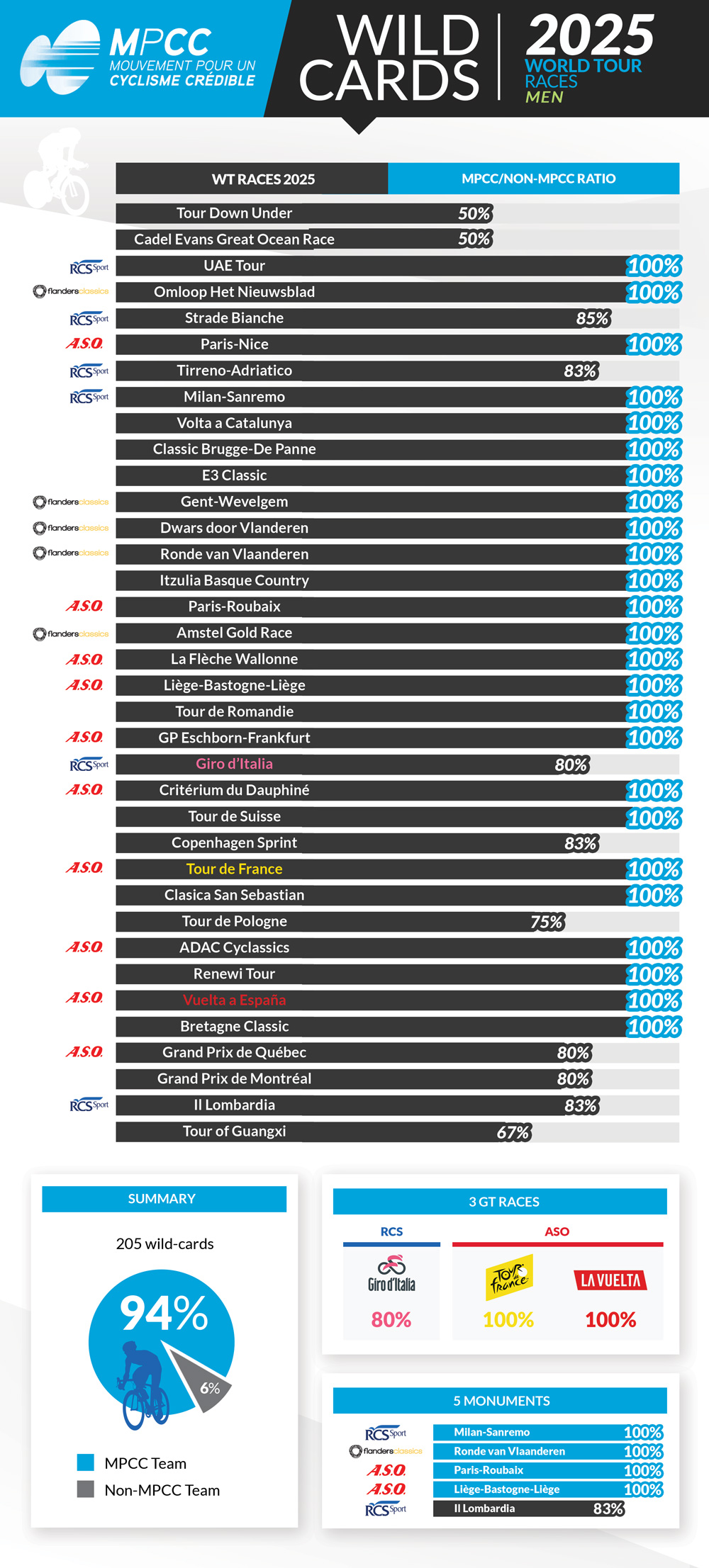
On the other hand, organisers such as Amaury Sport Organisation (owner of the Tour de France, Paris-Nice, Paris-Roubaix, La Flèche Wallonne, Liège-Bastogne-Liège and the Critérium du Dauphiné) and Flanders Classics (owner of the Tour of Flanders, the In Flanders Fields, formerly known as Ghent-Wevelgem, and the Amstel Gold Race, among others) have proven their determination to only invite MPCC team members for several seasons now, and we thank them for that exemplary stance taken against doping. However, a few races, including some held by RCS Sport (Giro d’Italia’s owner), are not yet following this line of conduct.
The MPCC therefore hopes that by 2026, all World Tour race organisers will choose to only invite teams that are committed to our movement. We also hope that the only non-member Pro Team in 2025 and the two teams that have obtained their Pro Team licence for the coming season will join us to consolidate the MPCC's actions.