
Emily Brammeier succeeds Roger Legeay as President of the MPCC
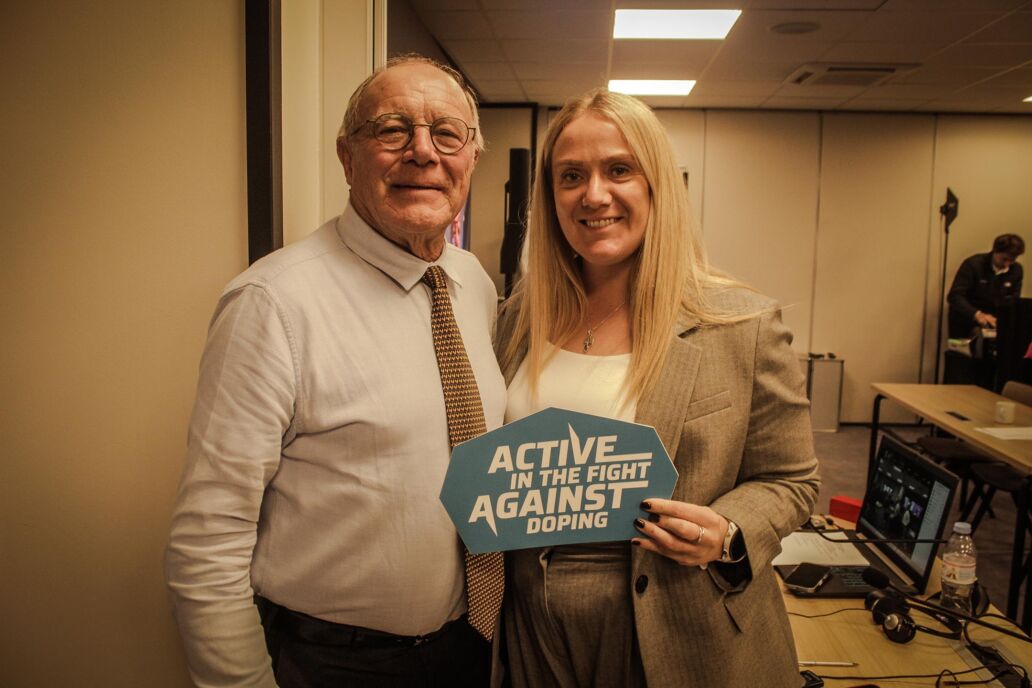
On October 22, on the eve of the official presentation of the Tour de France, the members of the Movement for a Credible Cycling (MPCC) gathered for their Annual General Meeting. The movement had an important day, with Roger Legeay announcing he was stepping down as president. Emily Brammeier, 31, was elected to the position.
Nearly forty members attended this key moment in the life of the movement, either in person or remotely. The MPCC thanks them for their involvement, and is also delighted to have been able to count on the presence of the International Testing Agency (ITA) again this year, which came to present its actions and results. Members expressed their high expectations for effective results from ITA and look forward to next year to assess the significant developments they hope to see.
Emily Brammeier is the new President of the MPCC
After nearly twenty years as President, Roger Legeay announced to the MPCC Board that he would not be running for re-election in 2026. The MPCC would like to thank Roger Legeay, founder of the movement in 2007, for all the energy he has brought devoted to the fight for the credibility in cycling, and for his inspiring convictions, which have remained intact since the first day he became involved in this cause.
31-year-old British Emily Brammeier (Team Picnic-PostNL) has been elected President of the MPCC. She previously held the role of Vice-President.
Emily Brammeier stated:
“Succeeding Roger Legeay as President of the MPCC is both a privilege and a responsibility. I believe deeply in the values of transparency, accountability, and collective action that define this movement, and I’m convinced our mission is more relevant than ever. Our focus remains clear: to eliminate the grey areas created by the unlimited medicalisation of our sport — which undermines the very spirit of sports — and to advocate to further strengthen our anti-doping system.
The MPCC is built on voluntary commitment — teams choose to contribute to a more credible cycling, which is something very powerful. I’m confident that, together with the expertise of my colleagues on the Board and the dedication of all our partners, we will continue making meaningful progress toward a cleaner, more credible sport.
We are all very pleased that Roger will remain on the Board, alongside me, bringing his invaluable experience and continued passion for protecting the integrity of cycling.”
The MPCC Board of Directors is made up of the following members:
– President: Emily Brammeier (Team Picnic-PostNL)
– Vice President: Marc Madiot (Groupama-FDJ)
– Secretary: Philippe Senmartin (Team TotalEnergies)
– Assistant secretary: Patrick Delcambre (Cofidis)
– Treasurer: Sébastien Hinault (Arkéa-B&B Hôtels)
– Assistant treasurer: Iwan Spekenbrink (Team Picnic-PostNL)
– Member: Christophe Brandt (Wagner Bazin-WB)
– Member: Dr Jean-Reynald Millot (St Michel-Preference Home-Auber93)
– Member: Roger Legeay
In 2026, riders must commit and get involved
The guiding principle for MPCC members today is to be “active in the fight against doping.” The MPCC Board is calling on riders to join this movement en masse. Nearly 700 male and female riders have individually joined on a voluntary basis over the past decade, and this number must continue to grow. But above all, the engagement of riders – the first to be affected by the credibility of their sport – must not be limited to membership without involvement in the movement’s work.
The MPCC urges riders to join, commit, and above all, get involved. The goal in the coming months is to include athletes’ voices within the Board of Directors, as their contribution is essential to strengthen the influence of the movement and, above all, the effectiveness of its actions.
Other member groups—teams, staff, sports agents, federations, organizers, sponsors, supporters—are backing this move and encouraging their peers to join them in their commitment to credible cycling. Team sponsors, in particular, are currently too few in number to have signed up and must play their part in promoting the image of cycling at a time when, unfortunately, long-established teams continue to close down due to a lack of sponsors. In this regard, the MPCC would like to express its warmest thoughts to the employees of the Arkea-B&B Hotels team, which is ceasing operations at the end of this season.
Finally, while Amaury Sport Organisation is set to unveil the route for the 2026 Tour de France on Thursday, our movement reiterates its request to WorldTour race organizers to give priority invitations to teams that are members of the MPCC.

Credibility figures: continental teams tarnished
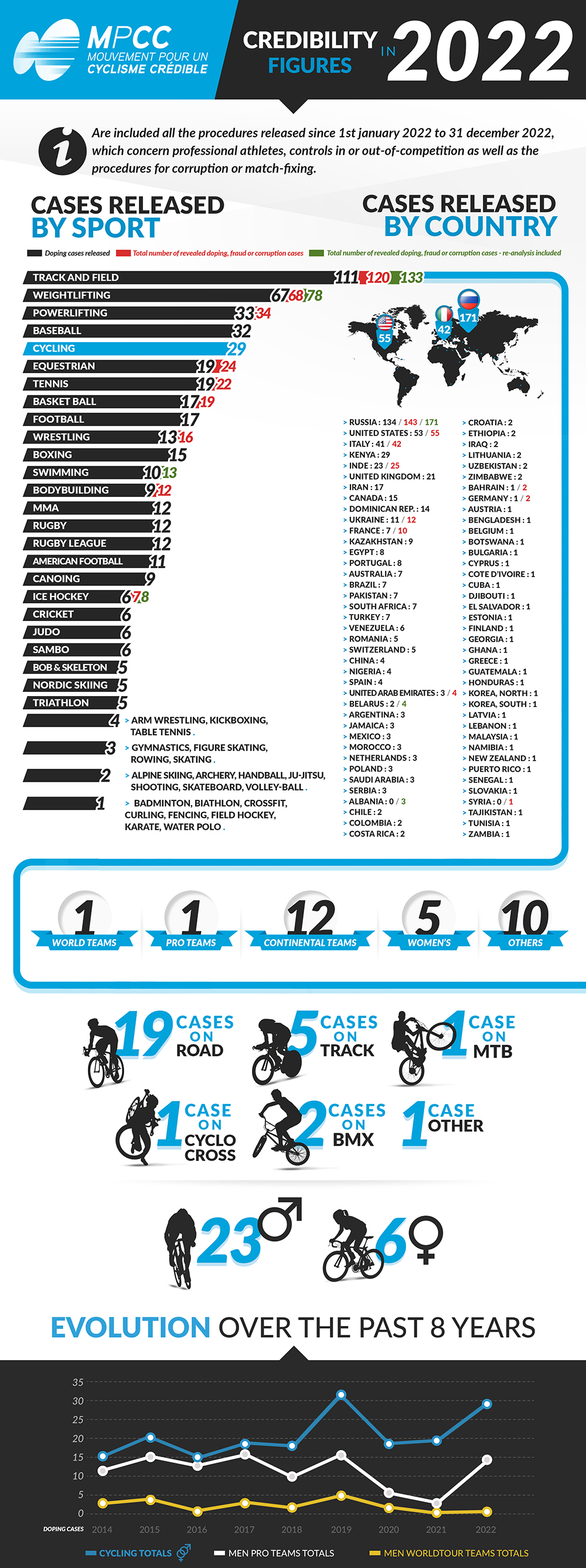
Ethically speaking, the 2022 season seems to position cycling at the same level as in 2019, before the two years of the pandemic: twenty-nine cases of alleged doping were recorded, that being ten more than the previous year. The MPCC is concerned about this assessment.
For many years, athletics has been the sport most affected by doping cases. With its many disciplines, it became the number one sport of the Olympic Games, but also the most closely watched. And for good reason! The number of cases revealed in 2022 is the highest from the eight years in which we have updated this “barometer”.
Let’s recall that this count only takes into account cases revealed by federations, anti-doping agencies, the courts, or the press. We also only take into account procedures related to high-level or professional athletes. Since 2018, we have included cases of fraud and corruption that concern the often-close staff of the athletes, but also match-fixing that may involve athletes directly.
We also distinguish the samples reanalysis which have multiplied in recent years from the usual controls.
As an example, the legal retesting period for samples collected during the London 2012 Olympic Games has just ended. After a decade of proceedings, 73 new cases of doping were uncovered. 31 Olympic medals were taken away. 7 of the 8 titles won by Russia in athletics were canceled!
At the end of 2022, Russia was once again on the top step of the most damaged countries in terms of credibility. The podium was identical to that of last year. We may also see it as the illustration of the efforts – forced or voluntary – made by three nations: Russia, the United States and Italy, who are much more combative against doping than they were in the past. One finds only when he seeks. The same applies to Kenya, whose authorities have just avoided a suspension of the country from major international events. The specificity of this country, which sits 4th in our ranking, is that 100% of the 29 cases revealed in 2022 came from athletics, mainly from specialists in marathon and half-marathon, the most lucrative events in athletics.
CONTRASTING RESULTS FOR CYCLING
Cycling also recorded 29 cases in 2022, spread over 15 different countries. Sexes and disciplines taken together, this is the second worst score in eight years (after 2019).
However, a closer analysis reveals that, if we limit ourselves to professional men (World teams and Pro teams), this is actually the lowest number (2 cases) ever recorded since the Festina affair!
The MPCC notes that although one of the two cases involved Nairo Quintana (for use of tramadol, a substance that led to his disqualification from the Tour de France by the UCI, but no suspension), his team nevertheless remained in compliance with the rules of our movement, as the rider was immediately banned from competition by his team Arkéa-Samsic, which did not keep him on the squad at the end of the season.
In compliance with our strict ethical rules, it should be added that no MPCC member team subsequently decided to hire the Colombian rider, and that this attitude seems to have become indispensable for everyone.
In 2022, the large majority of doping proceedings in top-level cycling concerned semi-professional men riders from continental road teams (12 cases). The Portuguese team W52-FC Porto was even disbanded after the police revealed possible organised doping.
None of the cases revealed among the continental teams concerned an MPCC member team. At the beginning of this year, our movement tallied 30 pro teams (men and women) and only 21 continental teams. We strongly encourage these semi-professional teams to join the MPCC, in order to put their ethics and credibility at the heart of our sport’s concerns.

ITA and MPCC join forces
In November 2021, ITA adhered to MPCC as our movement considers the REVEAL platform as an efficient solution in fostering the fight against doping. MPCC encourages the riders to use this tool if they intend to share an information that could help cycling increase its credibility.
Roger Legeay, MPCC President, declares:
« MPCC is proud to see its list of supporters include such a world-leading player in the anti-doping scene. We are determined to contribute to the purpose of gathering information that could participate in increasing our sport’s credibility. The riders, the main actors of cycling, needed a way to communicate with the relevant institutions. »
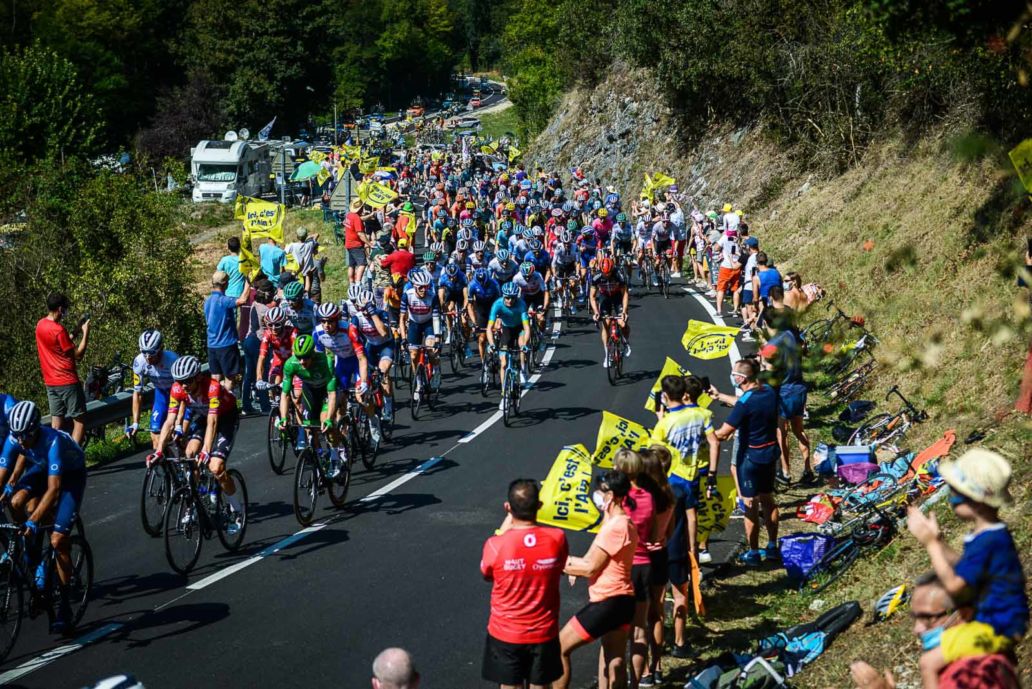
Cortisol Level Tests on the Tour de France (9th and 16th september)
4 member teams subjected 27 riders to cortisol level tests on the Tour de France on september 9. 3 member teams subjected 16 riders to cortisol level tests on the Tour de France on september 16. All the riders have been allowed to start.
On the Tour de France, 4 member teams (+ 3 on september 16) registered for the race submitted 27 riders (+16 on september 16) to cortisol level tests as part of their commitment to the Movement for a Credible Cycling (MPCC):
These voluntary tests have been performed under the auspices of the Union Cycliste Internationale (UCI) on all participants. The UCI has forwarded to the MPCC the results of all riders of the member teams. All results were in compliance with the standard established by MPCC members. The Board notes with satisfaction that the riders of these MPCC member teams registered for the Tour de France have scrupulously respected the clauses of their standing orders.
247 controls have been carried out by MPCC since the start of the season : On Paris-Nice, Route d'Occitanie, Tour de Ain, Critérium du Dauphiné, French Nationals and Tour de France.
BACKGROUND ON CORTISOL TESTS BY THE MOUVEMENT POUR UN CYCLISME CRÉDIBLE (MPCC)
The objective of the MPCC and its member teams is to contribute to restoring the credibility of cycling. One of the organisation’s activities are voluntary cortisol tests amongst the riders of the member teams of the MPCC. In case the results of the test present an abnormally low value, the rider concerned will not race for a period of minimum eight days until the cortisol value has recovered again above that minimum value.
For the sake of clarity: it concerns a voluntary norm and the test does not concern an anti-doping control. Under WADA rules, athletes across all sports, with a cortisol level abnormally low, are entitled to perform their sport in competition (unless an anti-doping test has revealed the unauthorized use of the cortisol hormone).
The reason for the MPCC member teams to introduce this voluntary norm (below which the rider concerned will withdraw from competition for that minimum period of eight days), is an effort towards all stakeholders and fans of the sport of cycling and to confirm its commitment to clean sport and to show that cycling and MPCC member teams wish to be a frontrunner in that.
WHY CORTISOL TESTS ?
Although cortisol hormones are an allowed medicine when pre-scribed by a physician, the use of that medicine has frequently been abused in the history of sports (including in cycling) for the purpose of increasing the performance. Besides, a low level of cortisol can potentially endanger the health of athletes in certain circumstances when he/she is in competition while the athletes perform under high intensity or under stress.
For both reasons and with the objective to contribute to restoring the credibility of cycling, the Mouvement pour un Cyclisme Crédible and its member teams have introduced that voluntary norm below which its riders will temporarily withdraw from competition.

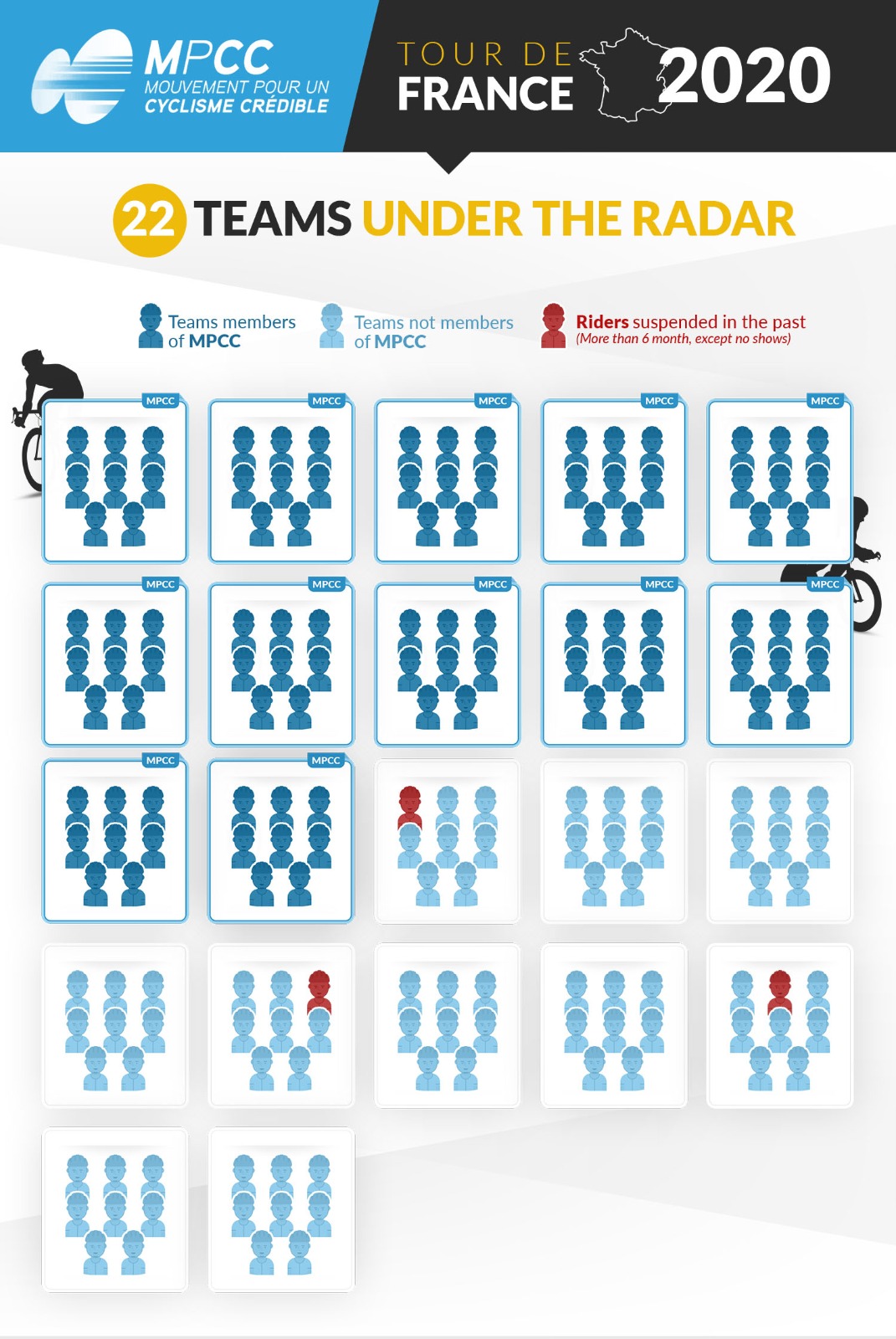
Tour de France 2020: 22 teams under the microscope
In an infography, we have represented the 2020 Tour de France peloton, distinguishing MPCC member teams and non-member teams. Amongst member teams, no rider have ever been suspended. Within non-members, 3 already have
In the event of every grand tour race or big championships, the MPCC highlights how many riders are part of the movement but also how many riders have been suspended for doping in the past.
The spirit of the MPCC is to regroup teams which on a voluntary basis define stricter rules than international organizations. Amongst those, this one: « Don’t hire riders involved in doping cases and banned for more than 6 months, except no-shows, in the two years following the suspension. »
On the 2020 Tour de France, MPCC members chose not to pick any riders previously suspended for doping. This choice matches the philosophy of the movement, thus fostering cycling's credibility. There are 12 MPCC members on this year's Tour de France, representing 60% of the peloton.
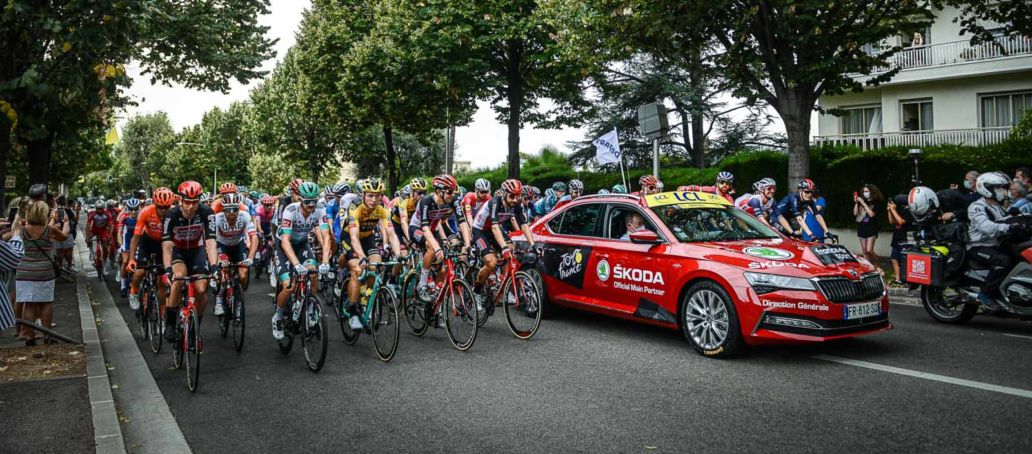
Cortisol Level Tests on the Tour de France
12 member teams subjected 96 riders to cortisol level tests on the Tour de France. All the riders have been allowed to start.
On the Tour de France, 12 member teams registered for the race submitted 96 riders to cortisol level tests as part of their commitment to the Movement for a Credible Cycling (MPCC):
These voluntary tests have been performed under the auspices of the Union Cycliste Internationale (UCI) on all participants. The UCI has forwarded to the MPCC the results of all riders of the member teams. All results were in compliance with the standard established by MPCC members. The Board notes with satisfaction that the riders of these MPCC member teams registered for the Tour de France have scrupulously respected the clauses of their standing orders.
218 controls have been carried out by MPCC since the start of the season : On Paris-Nice, Route d'Occitanie, Tour de Ain, Critérium du Dauphiné, French Nationals and Tour de France.
BACKGROUND ON CORTISOL TESTS BY THE MOUVEMENT POUR UN CYCLISME CRÉDIBLE (MPCC)
The objective of the MPCC and its member teams is to contribute to restoring the credibility of cycling. One of the organisation’s activities are voluntary cortisol tests amongst the riders of the member teams of the MPCC. In case the results of the test present an abnormally low value, the rider concerned will not race for a period of minimum eight days until the cortisol value has recovered again above that minimum value.
For the sake of clarity: it concerns a voluntary norm and the test does not concern an anti-doping control. Under WADA rules, athletes across all sports, with a cortisol level abnormally low, are entitled to perform their sport in competition (unless an anti-doping test has revealed the unauthorized use of the cortisol hormone).
The reason for the MPCC member teams to introduce this voluntary norm (below which the rider concerned will withdraw from competition for that minimum period of eight days), is an effort towards all stakeholders and fans of the sport of cycling and to confirm its commitment to clean sport and to show that cycling and MPCC member teams wish to be a frontrunner in that.
WHY CORTISOL TESTS ?
Although cortisol hormones are an allowed medicine when pre-scribed by a physician, the use of that medicine has frequently been abused in the history of sports (including in cycling) for the purpose of increasing the performance. Besides, a low level of cortisol can potentially endanger the health of athletes in certain circumstances when he/she is in competition while the athletes perform under high intensity or under stress.
For both reasons and with the objective to contribute to restoring the credibility of cycling, the Mouvement pour un Cyclisme Crédible and its member teams have introduced that voluntary norm below which its riders will temporarily withdraw from competition.
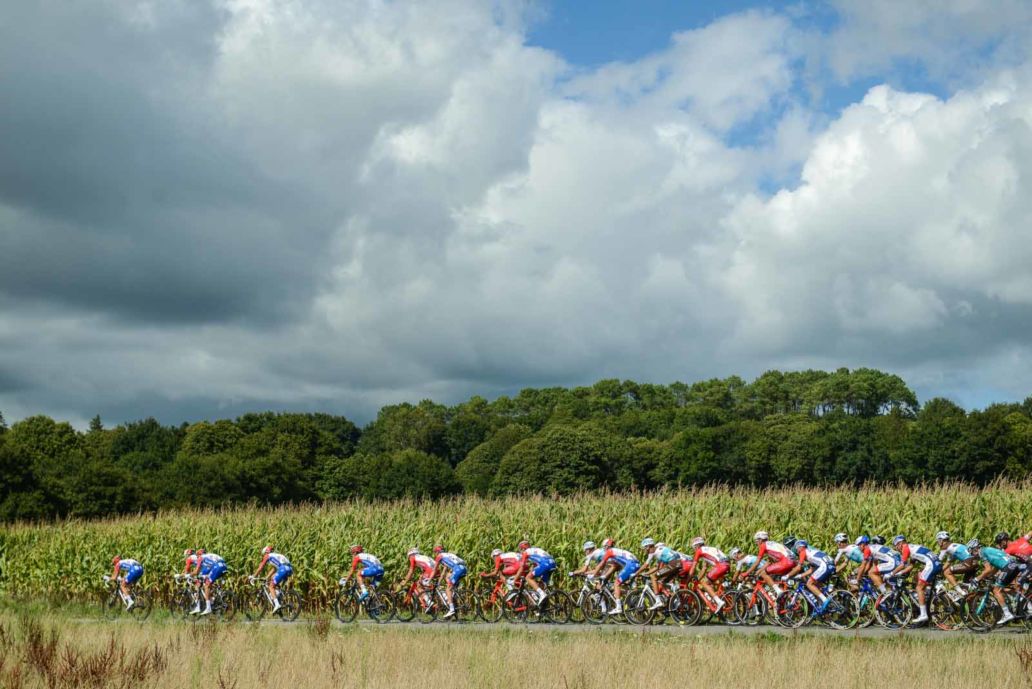
Cortisol Level Tests on the French Nationals
The team members of the MPCC have submitted 12 riders to a cortisol level test on the French Nationals. All the riders have been allowed to start.
2 member teams registered for the race submitted 12 riders to a cortisol level test as part of their commitment to the Movement for a Credible Cycling (MPCC).
These voluntary tests have been performed in collaboration with French Cycling Association (FFC) and French Cycling League (LNC). All values were above the voluntary MPCC norm. The Board notes with satisfaction that the riders of these MPCC member teams registered for the French Nationals have scrupulously respected the clauses of their standing orders.
BACKGROUND ON CORTISOL TESTS BY THE MOUVEMENT POUR UN CYCLISME CRÉDIBLE (MPCC)
The objective of the MPCC and its member teams is to contribute to restoring the credibility of cycling. One of the organisation’s activities are voluntary cortisol tests amongst the riders of the member teams of the MPCC. In case the results of the test present an abnormally low value, the rider concerned will not race for a period of minimum eight days until the cortisol value has recovered again above that minimum value.
For the sake of clarity: it concerns a voluntary norm and the test does not concern an anti-doping control. Under WADA rules, athletes across all sports, with a cortisol level abnormally low, are entitled to perform their sport in competition (unless an anti-doping test has revealed the unauthorized use of the cortisol hormone).
The reason for the MPCC member teams to introduce this voluntary norm (below which the rider concerned will withdraw from competition for that minimum period of eight days), is an effort towards all stakeholders and fans of the sport of cycling and to confirm its commitment to clean sport and to show that cycling and MPCC member teams wish to be a frontrunner in that.
WHY CORTISOL TESTS ?
Although cortisol hormones are an allowed medicine when pre-scribed by a physician, the use of that medicine has frequently been abused in the history of sports (including in cycling) for the purpose of increasing the performance. Besides, a low level of cortisol can potentially endanger the health of athletes in certain circumstances when he/she is in competition while the athletes perform under high intensity or under stress.
For both reasons and with the objective to contribute to restoring the credibility of cycling, the Mouvement pour un Cyclisme Crédible and its member teams have introduced that voluntary norm below which its riders will temporarily withdraw from competition.

Cortisol Level Tests on the Critérium du Dauphiné
The team members of the MPCC have submitted 35 riders to a cortisol level test on the Criterium du Dauphiné. All the riders have been allowed to start.
3 member teams registered for the race submitted 35 riders to a cortisol level test as part of their commitment to the Movement for a Credible Cycling (MPCC).
These voluntary tests have been performed in collaboration with French Cycling Association (FFC) and French Cycling League (LNC). All values were above the voluntary MPCC norm. The Board notes with satisfaction that the riders of these MPCC member teams registered for the Criterium du Dauphiné have scrupulously respected the clauses of their standing orders.
BACKGROUND ON CORTISOL TESTS BY THE MOUVEMENT POUR UN CYCLISME CRÉDIBLE (MPCC)
The objective of the MPCC and its member teams is to contribute to restoring the credibility of cycling. One of the organisation’s activities are voluntary cortisol tests amongst the riders of the member teams of the MPCC. In case the results of the test present an abnormally low value, the rider concerned will not race for a period of minimum eight days until the cortisol value has recovered again above that minimum value.
For the sake of clarity: it concerns a voluntary norm and the test does not concern an anti-doping control. Under WADA rules, athletes across all sports, with a cortisol level abnormally low, are entitled to perform their sport in competition (unless an anti-doping test has revealed the unauthorized use of the cortisol hormone).
The reason for the MPCC member teams to introduce this voluntary norm (below which the rider concerned will withdraw from competition for that minimum period of eight days), is an effort towards all stakeholders and fans of the sport of cycling and to confirm its commitment to clean sport and to show that cycling and MPCC member teams wish to be a frontrunner in that.
WHY CORTISOL TESTS ?
Although cortisol hormones are an allowed medicine when pre-scribed by a physician, the use of that medicine has frequently been abused in the history of sports (including in cycling) for the purpose of increasing the performance. Besides, a low level of cortisol can potentially endanger the health of athletes in certain circumstances when he/she is in competition while the athletes perform under high intensity or under stress.
For both reasons and with the objective to contribute to restoring the credibility of cycling, the Mouvement pour un Cyclisme Crédible and its member teams have introduced that voluntary norm below which its riders will temporarily withdraw from competition.

Cortisol Level Tests on the Tour de l'Ain
The team members of the MPCC have submitted 18 riders to a cortisol level test on the Tour de l’Ain. All the riders have been allowed to start.
3 member teams registered for the race submitted 18 riders to a cortisol level test as part of their commitment to the Movement for a Credible Cycling (MPCC).
These voluntary tests have been performed in collaboration with French Cycling Association (FFC) and French Cycling League (LNC). All values were above the voluntary MPCC norm. The Board notes with satisfaction that the riders of these MPCC member teams registered for the Tour de l’Ain have scrupulously respected the clauses of their standing orders.
BACKGROUND ON CORTISOL TESTS BY THE MOUVEMENT POUR UN CYCLISME CRÉDIBLE (MPCC)
The objective of the MPCC and its member teams is to contribute to restoring the credibility of cycling. One of the organisation’s activities are voluntary cortisol tests amongst the riders of the member teams of the MPCC. In case the results of the test present an abnormally low value, the rider concerned will not race for a period of minimum eight days until the cortisol value has recovered again above that minimum value.
For the sake of clarity: it concerns a voluntary norm and the test does not concern an anti-doping control. Under WADA rules, athletes across all sports, with a cortisol level abnormally low, are entitled to perform their sport in competition (unless an anti-doping test has revealed the unauthorized use of the cortisol hormone).
The reason for the MPCC member teams to introduce this voluntary norm (below which the rider concerned will withdraw from competition for that minimum period of eight days), is an effort towards all stakeholders and fans of the sport of cycling and to confirm its commitment to clean sport and to show that cycling and MPCC member teams wish to be a frontrunner in that.
WHY CORTISOL TESTS ?
Although cortisol hormones are an allowed medicine when pre-scribed by a physician, the use of that medicine has frequently been abused in the history of sports (including in cycling) for the purpose of increasing the performance. Besides, a low level of cortisol can potentially endanger the health of athletes in certain circumstances when he/she is in competition while the athletes perform under high intensity or under stress.
For both reasons and with the objective to contribute to restoring the credibility of cycling, the Mouvement pour un Cyclisme Crédible and its member teams have introduced that voluntary norm below which its riders will temporarily withdraw from competition.

Cortisol Level Tests on the Route d’Occitanie
The team members of the MPCC have submitted 26 riders to a cortisol level test on the Route d’Occitanie. All the riders have been allowed to start.
4 member teams registered for the race submitted 26 riders to a cortisol level test as part of their commitment to the Movement for a Credible Cycling (MPCC).
These voluntary tests have been performed in collaboration with French Cycling Association (FFC) and French Cycling League (LNC). All values were above the voluntary MPCC norm. The Board notes with satisfaction that the riders of these MPCC member teams registered for the Route d’Occitanie have scrupulously respected the clauses of their standing orders.
BACKGROUND ON CORTISOL TESTS BY THE MOUVEMENT POUR UN CYCLISME CRÉDIBLE (MPCC)
The objective of the MPCC and its member teams is to contribute to restoring the credibility of cycling. One of the organisation’s activities are voluntary cortisol tests amongst the riders of the member teams of the MPCC. In case the results of the test present an abnormally low value, the rider concerned will not race for a period of minimum eight days until the cortisol value has recovered again above that minimum value.
For the sake of clarity: it concerns a voluntary norm and the test does not concern an anti-doping control. Under WADA rules, athletes across all sports, with a cortisol level abnormally low, are entitled to perform their sport in competition (unless an anti-doping test has revealed the unauthorized use of the cortisol hormone).
The reason for the MPCC member teams to introduce this voluntary norm (below which the rider concerned will withdraw from competition for that minimum period of eight days), is an effort towards all stakeholders and fans of the sport of cycling and to confirm its commitment to clean sport and to show that cycling and MPCC member teams wish to be a frontrunner in that.
WHY CORTISOL TESTS ?
Although cortisol hormones are an allowed medicine when pre-scribed by a physician, the use of that medicine has frequently been abused in the history of sports (including in cycling) for the purpose of increasing the performance. Besides, a low level of cortisol can potentially endanger the health of athletes in certain circumstances when he/she is in competition while the athletes perform under high intensity or under stress.
For both reasons and with the objective to contribute to restoring the credibility of cycling, the Mouvement pour un Cyclisme Crédible and its member teams have introduced that voluntary norm below which its riders will temporarily withdraw from competition.